
Succession Challenges in African and Caribbean Community Associations in Ottawa: A Path Forward.”
By
Andy (Kwaku) Kusi-Appiah
—-
“Leadership is not about holding power, it is about preparing others to hold it after you.”
Kwaku Kusi-Appiah
—-
Introduction:
Ottawa, Canada’s capital, is home to a vibrant embroidery of peoples from across the Caribbean and African continent. From Jamaica to Ghana, colossal Nigeria to Barbados, Kenya to Trinidad, and beyond, the City’s African and Caribbean diasporas have built community associations that preserve heritage, foster belonging, and advocate for shared interests. These organizations, often run by passionate volunteers, stand as pillars of cultural continuity and social support in the African Canadian experience.
However, in spite of their successes, many of these associations face a persistent challenge, namely, leadership succession. The process of transitioning leadership, though essential for organizational renewal, is often fraught with tension, reluctance, and misunderstanding. In some instances, long-serving leaders resist stepping down even after electoral defeat, citing fears of instability or inexperience among potential successors. In other circumstances, community members are unable to attend meetings set aside for elections, rendering it impossible to vote in new executive members. Meanwhile, younger members, despite their enthusiasm, sometimes feel unheard, underutilized, or pushed to the margins of decision-making. This intergenerational disconnection risks weakening the very institutions that sustain our cultural identity in Canada.
Personal Reflections: Lessons from the Ghana Association of Ottawa
As indicated by a former president of the Ghana association in Ottawa who has witnessed these challenges up close, serving a community association is both an honour and a burden. According to her, this non-paying job involves navigating competing expectations, balancing diplomacy with advocacy, and constantly seeking volunteers willing to invest their time and skills for the benefit of the community. According to her, she was fortunate to be guided by elders who advised, cautioned, and supported her. Their counsel, drawn from decades of community work, was indispensable.
But leadership is not defined by how long one holds power; it is measured by how effectively one prepares others to lead. As remarked by another former executive of a community association who participated in the study, “We must build ladders, not walls.” True leadership is not an act of possession but an act of release. When leaders cling too tightly to office, they drain the organization of renewal; when youth are sidelined, the organization risks stagnation.
One younger executive from another African association remarked:
“When I first joined, the older guard treated me like someone they tolerated, not someone they trusted. I asked myself, if I am not trusted now, how will I ever lead tomorrow?”
(Gifty Adongo, 55 years, former community association executive)
Her words reflect a painful but common experience across our communities. The measure of our effectiveness is not how long we hold the gavel, but how well we prepare others to take it up when we step down.
Understanding the Challenge:
The difficulty of leadership succession in African and Caribbean associations stems from deeply rooted cultural and structural factors. In many African and Caribbean traditions, leadership is seen as a lifelong calling. Elders are revered as custodians of wisdom and continuity. In the diaspora, this reverence can translate into expectations that long-serving leaders remain in office “for stability.” Such sentiments, while born of respect, can stifle renewal and discourage younger members who wish to serve.
A past president of a Caribbean community organization reflected candidly:
“After our last election I stayed on the sidelines. I didn’t challenge the outcome, but I couldn’t walk away either. I felt the organization would collapse without me. In hindsight, I know it needed me to step back so someone else could step forward.”
(Abokyi Franklin, 38 years old, Canadian federal employee)
Ms. Abokyi’s honesty captures a dilemma faced by many: the fear that stepping aside equals abandonment, rather than mentorship.
In addition to cultural norms, governance challenges often complicate transitions. Many associations rely heavily on oral tradition, with limited documentation of constitutions, policies, or financial records. This lack of institutional memory can breed mistrust. Elections, when poorly managed or perceived as unfair, deepen divisions. Transparency and accountability are crucial if communities are to move beyond personal politics toward sustainable institutions.
Generational differences further complicate the picture. There is a growing generational disconnect. Younger members, digital natives by nature, often push for new ways of engagement, such as social media campaigns, collaborative projects, and more inclusive leadership models. They often bring fresh energy, technological fluency, and innovative ideas for outreach through social media and digital platforms. Yet their enthusiasm can meet resistance from older members who prefer more traditional ways of organizing. The resulting tension can make young people feel undervalued or alienated, while elders feel their contributions and sacrifices are being overlooked. The resulting friction, though frustrating, can also be creative, if both sides are willing to listen.
Related to the above are cultural attitudes toward leadership. In many African and Caribbean societies, leadership carries deep symbolic weight. Elders are revered as custodians of wisdom and continuity, and their authority is often associated with stability and respect. Within diaspora associations, this cultural reverence sometimes translates into an expectation that long-serving leaders remain in office indefinitely, often in the name of preserving unity or experience. While this sentiment arises from genuine devotion, it can unintentionally stifle the participation of younger generations who also wish to serve.
Another contributing factor is the issue of trust and accountability. Many associations struggle with limited transparency and inconsistent record keeping. Constitutions may exist but are not always followed, and election processes are sometimes contested or poorly communicated. In such an environment, leadership transitions can become personal rather than procedural, leading to division and fatigue among members.
A path forward: blending wisdom & renewal:
If African and Caribbean associations in Ottawa are to thrive, they must find a path that honours the past while embracing the future. This path calls for a delicate blending of wisdom and renewal, one that recognizes the strengths of both elders and youth.
The young must serve.
Young leaders must be given the chance to lead, not as a symbolic gesture, but as a practical necessity. When younger members are entrusted with meaningful responsibility, they develop confidence and commitment. Such empowerment should not happen in isolation; it should occur within a culture of mentorship where elders guide without controlling, advise without dominating, and model the patience that leadership demands.
Elders must play a supporting role.
For their part, elders play a sacred role as custodians of institutional memory. Their stories, experiences, and values are essential to continuity. However, that role must evolve from executive authority to advisory influence. Elders can act as moral anchors and keepers of communal values, offering wisdom while allowing others to make their own mark. Leadership that clings too tightly to the reins risks weakening the very organizations it seeks to protect.
Constitutions must have clear mandates.
Good governance remains the backbone of any sustainable association. Clear constitutions, transparent decision-making, and regular renewal of leadership processes ensure that no single individual or group becomes indispensable. When procedures are respected and openly communicated, transitions become moments of growth rather than conflict.
Circular/endless communication is not a trap.
Dialogue between generations is equally crucial. Intergenerational forums, mentorship dinners, cultural dialogues, and informal conversations can bridge divides. The act of listening, truly listening, to each other’s hopes, frustrations, and visions fosters mutual respect and a shared sense of ownership. In such spaces, youth learn humility and continuity, while elders rediscover the vitality of new perspectives.
Elders can serve as guardians of values rather than holders of power; they must see succession not as a threat but as continuity. Their role can shift from authority to mentorship, from holders of power to guardians of values. Leadership is not diminished by sharing it; it is deepened. The African-centered leadership model proposed in The Journal of Pan African Studies captures this well: “The end goal is the restoration of African sovereignty in cultural, political and economic affairs.”
In diaspora communities, this sovereignty translates to collective strength, the ability to sustain ourselves across generations without losing identity or direction. The way forward lies in harmonizing the wisdom of elders with the creativity of youth. The African scholar John O. Igué reminds us that:
“Africa is at a crossroads … A new generation of leaders must be considered, who are capable of facing up to a number of challenges such as relaying the foundations of the post-colonial state.”
(John O. Igué).
Igué’s observation, though written in a continental context, resonates powerfully with diasporic communities in Canada. Renewal is not an act of rebellion; it is an act of preservation.
In practice, this renewal begins with trust. Younger community members must be given real responsibilities, not token roles, but meaningful opportunities to shape direction and policy. One association in Ottawa recently experimented with co-leadership, where elders and youth chair committees together. “That one night changed how decisions get done,” recalled a board member after their first mentorship dinner, where ten elders shared stories with twenty young leaders. The approach, she said, replaced suspicion with solidarity.
Succession as a moral responsibility:
Succession is not simply an organizational necessity; it is a moral imperative. Our associations exist to serve the community, not to serve individuals. When leaders fail to prepare successors, they risk extinguishing the very institutions that gave them purpose. In contrast, when they mentor and empower, they plant seeds for future generations to thrive.
For African and Caribbean Canadians, this responsibility carries even greater weight. We are communities navigating the complex terrain of diaspora, balancing our ancestral identities with our Canadian realities. Our organizations, be they Ghanaian, Nigerian, Jamaican, Trinidadian, or otherwise, are lifelines of cultural pride and solidarity. To neglect succession is to weaken those lifelines; to embrace it is to ensure our continued presence and influence within the Canadian social fabric.
A call to action:
Now is the time for reflection and renewal.
To our elders: your experience remains our guiding light. Continue to counsel but also trust. The seeds you planted decades ago have taken root. Let them flourish.
To our youth: leadership is not about status; it is about service. Step forward with humility, honour, and readiness to learn.
And to all members, let us remember that community leadership is a trust, not a trophy. Constitutions must be living documents, guiding decisions with clarity and fairness. When processes are transparent and leadership renewal is embedded in the organizational culture, transitions cease to be crises. They become celebrations of continuity and faith in the community’s resilience. Elders can serve as guardians of values rather than holders of power.
Conclusion: passing the baton with grace:
The history of African and Caribbean associations in Ottawa is a story of perseverance and pride. These organizations have endured through the dedication of volunteers who refused to let culture fade. But endurance alone is not enough. The next phase requires intentional renewal, leaders who can pass the baton with grace and confidence.
Our future depends not on those who cling to office, but on those who prepare others to lead. Renewal, at its heart, is an act of love for the community and faith in its future. The future of our communities will not be written by those who cling to office, but by those who prepare others to lead well.
—
About the Author
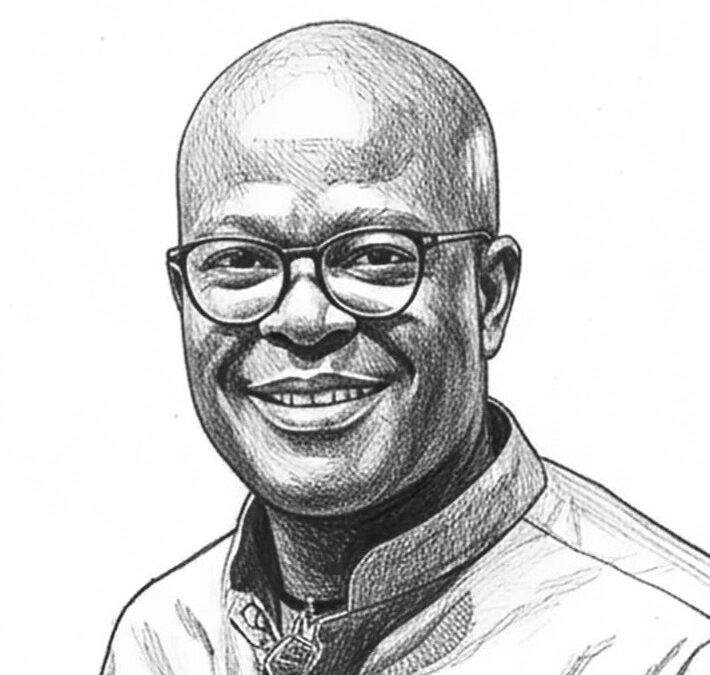
Andy (Kwaku) Kusi-Appiah is a community leader, political ecologist, researcher, lecturer/educator based in Ottawa. A former president of the Ghana Association of Ottawa (Andy served as president for two terms), he is deeply committed to serving his community, mentoring young leaders and fostering dialogue among African and Caribbean diasporas in Canada. His work explores leadership, sustainability, and community renewal.