
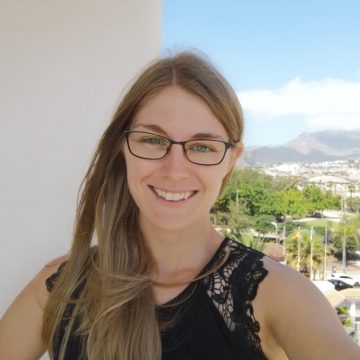
Panel presentation by Dr. Cassandra Morrison at the seniors’ mental health seminar, hosted by the Ottawa Golden Oldies Seniors’ Club, 27 September 2025
Preventing dementia across the lifespan – a research perspective on ageing
by Dr. Cassandra Morrison
Right now, more than 770,000 older adults in Canada are living with dementia such as Alzheimer’s disease. This number may not seem like a lot but is more than the total population of Newfoundland and Labrador and PEI combined. This number is expected to triple by 2050 because of the growth in Canada’s older adult population. An increase that is going to have detrimental impacts not only on our economy and health care system but also on our social workers, medical practitioners, nurses, and caregivers. We’re not just talking about numbers on a page, we’re talking about parents, grandparents, neighbors, friends, and eventually, many of us.
But the news isn’t all bad, recent research has shown that the rate of newly diagnosed cases in people aged 65 and older has been decreasing over the past 10 years. This decrease tells us something crucial, dementia isn’t inevitable. For example, a review published last year shows that almost half of dementia cases could be prevented with changes that we can make today. —
We know that dementia prevention is a lifelong process. Brain health is about accumulation, protective factors build up over time but so do risk factors doing damage over time. Risk factors are conditions that increase the risk of developing dementia and protective factors decrease the chances. It’s never just one thing that determines your cognitive and brain future. These risk and protective factors have been organized into three critical time periods. Early life, midlife, and late life.
In early life, education plays a huge role. Having less education doesn’t just limit opportunities, it also affects how resilient your brain is to future damage.
Then comes midlife, the time in which factors such as depression, excessive alcohol use, high blood pressure, obesity, hearing loss, and physical activity lay the groundwork for cognitive decline decades later. This time window is also where we see the biggest opportunities for prevention, when interventions here can have enormous payoffs.
Finally, is late life, when additional factors such as social isolation, vision loss all contribute to cognitive decline and dementia risk. —-
These modifiable factors are why I find this research so hopeful. These aren’t mysterious, uncontrollable forces, they’re specific, modifiable factors that we can target. The adult who manages their blood pressure in their 50s, or the older adult who stays socially involved in their 70s, or when someone addresses their hearing loss at any age is actively reducing their risk of dementia.
But here’s where the research gets more interesting. These risk factors don’t affect everyone equally. What we have learned is that your biological sex (if you are a female vs male) and race (white vs black), all impact how these risk factors increase our chances of developing dementia.
To explore sex differences,two out of every three people living with Alzheimer’s disease are female. Many people believe that this difference is because females live longer, but in reality, females also face fundamentally different risk profiles. For example, when we look at risk factors like high blood pressure, these risk factors seem to have a more direct pathway to cognitive problems in females than in males. Males are more likely to have strokes, while females are more likely to experience the slower effects of brain change and impacts on memory and thinking problems.
Females also experience changes in hormones as they age. The transition through menopause creates a unique window of vulnerability for females. When estrogen’s protective effects diminish, particularly with early or surgical menopause, females become more susceptible to many of those midlife risk factors I mentioned.—
In addition to sex differences complicating aging research, race also adds another layer. The statistics involving racial disparities reveal additional inequalities. Black adults face roughly twice the risk of developing dementia compared to white older adults, and these aren’t just genetic differences, they’re also associated largely preventable disparities.
When we examine those modifiable risk factors I mentioned, we see different patterns across racial groups. Higher rates of diabetes, higher blood pressure, obesity, and heart disease in Black communities aren’t coincidences, they’re the result of systemic factors. Perhaps these factors are associated with limited access to healthy foods, fewer safe places for physical activity, barriers to quality healthcare, these social determinants of health become cognitive and dementia risks decades before any symptoms appear.
When researchers talk about preventing nearly half of dementia cases, we must acknowledge that prevention looks different depending on who you are. A 55-year-old Black woman faces different risks and needs different interventions than a 55-year-old White man. Understanding these differences isn’t just about being inclusive, it’s about being effective. —
This understanding of individual differences is exactly what drives my research. As someone who studies how cognitive functioning and the brain change with age and disease, I don’t just look at population statistics, I examine what’s actually happening in individual brains.
In my lab, I use cognitive testing and brain imaging such as electroencephalography (EEG) to measure brain activity in real time or MRI to see brain structure. When I put electrodes on someone’s head and record their brain waves, I’m seeing how these risk factors we’ve discussed actually manifest in neural networks. I’m literally watching how depression affects brain connectivity, or how untreated hearing loss forces the brain to work harder during cognitive tasks.
But here’s what really caught my attention in this research: those sex and race differences I mentioned. They show up in the brain data too. When I analyze EEG patterns or brain structure differences from different demographic groups, I see distinct signatures. A 60-year-old female with high blood pressure shows different brain structures than a 60-year-old male without the condition. These aren’t just statistical differences; they’re biological realities we can measure. —-
These findings are why personalized prevention isn’t just a nice idea, it’s a scientific necessity. My research suggests we need to move beyond one-size-fits-all approaches and start tailoring interventions based on individual risk profiles, including sex, race, and genetic factors. —
Where does this leave us as we face Canada’s growing dementia challenge? The research is clear: we have unprecedented opportunities for prevention, but we need to apply this knowledge as individually as the people we’re trying to help.
—-
So, what does this mean for each of you sitting here today? While we need systemic changes to address broader racial disparities, there are concrete steps every individual can take right now.
The great aspect of research is that it gives us a roadmap. Get your hearing and vision checked regularly, and if you need hearing aids or glasses, use them. Stay physically active in whatever way works for your body. Maintain your social connections, even when it feels easier to isolate. Manage your blood pressure, treat depression if it occurs, and limit excessive alcohol.
These aren’t dramatic interventions; they’re everyday health choices that happen to be powerful brain protection strategies. The person who joins a walking group isn’t just improving their cardiovascular health; they’re addressing physical inactivity and social isolation simultaneously. The person who finally gets those hearing aids isn’t just improving their quality of life today; they’re reducing their dementia risk for decades to come.
Remember, it’s never too early to start building these protective factors, and it’s never too late to begin. Whether you’re 35 or 75, every healthy choice you make is an investment in your cognitive future.
The question isn’t whether you can protect your brain health—it’s whether you’re ready to start today.
About the writer Dr. Cassandra Morrison is an Assistant Professor with a PhD in Psychology who specializes in gerontology, the study of aging. Her research focuses on what happens to our minds and brains as we get older.