Wednesday 11 March 2026

Theme: Black History is Every Month: Joy in Every Step
Carleton U. School of Social Work Marks “Black History Month Is Every Month” Milestone with Call for Lasting Recognition and Radical Joy
By Ijeoma Ukazu
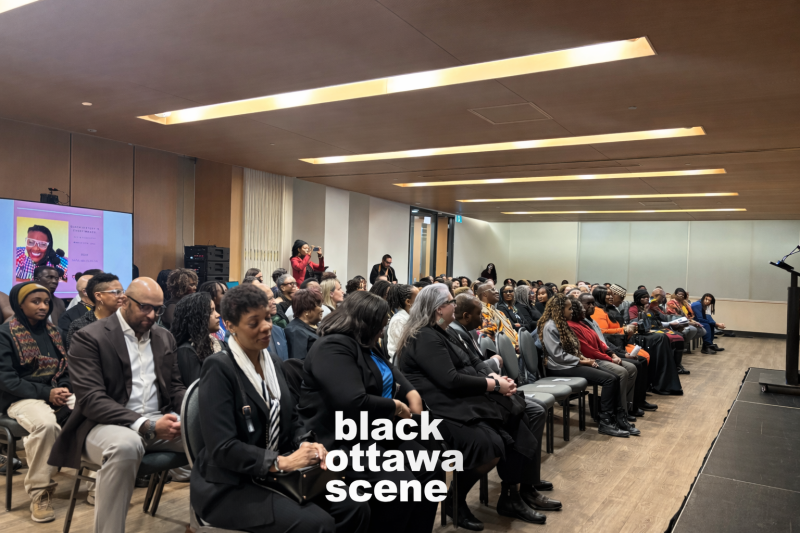
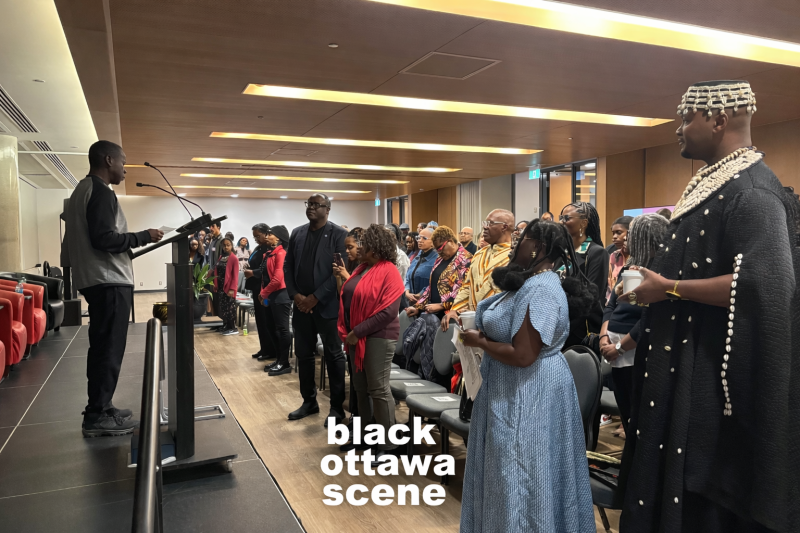
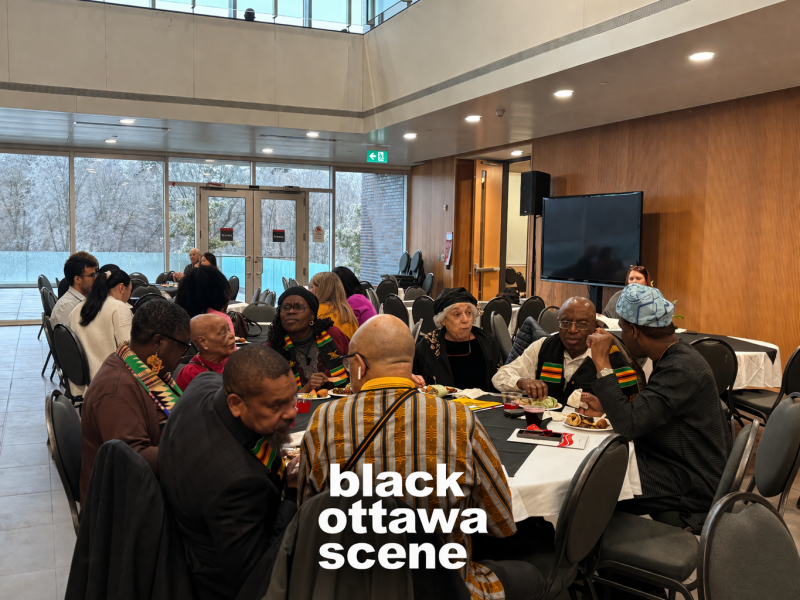
A renewed push to commemorate Black history year-round took centre stage at Carleton University’s School of Social Work in Ottawa on Wednesday, March 11, under the theme Black History Is Every Month: Joy in Every Step. Community leaders, scholars, and policymakers gathered to celebrate Black excellence, reflect on systemic challenges, and chart a path forward grounded in recognition, resilience, and joy.
Taking to the podium, Councillor Rawlson King outlined an ambitious city-backed initiative to honour 40 prominent Black individuals over the next decade through public commemorations, including street and facility namings.
King said the initiative stems from a city council motion introduced by the Ottawa Mayor Mark Sutcliffe to mark the 40th anniversary of Black History Month in Ottawa.
“In 2026, council unanimously passed a motion to ensure the commemoration of Black history in our city,” King said. “The mayor felt it was so important that he introduced it himself. It will recognize the 40th anniversary of Black History Month and honour 40 Black individuals over the next 10 years through commemorations such as street and recreation centre namings.”
He emphasized that the motion is not merely symbolic, but a structural commitment to embedding Black history into the physical and cultural landscape of the city. King also reflected on the legacy of Black advocacy in Ottawa, noting that Black History Ottawa was founded in 1986 by 10 Black associations determined to celebrate and preserve the contributions of Canadians of African descent.
“The work of Black History Ottawa has been instrumental in influencing governance and advancing anti-racism strategies in this city,” he said. “This motion builds on that legacy and ensures those contributions are permanently recognized.”
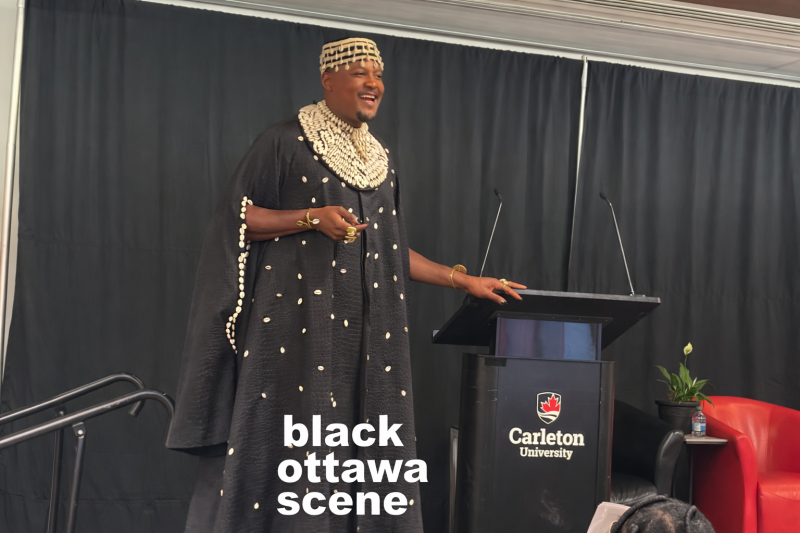
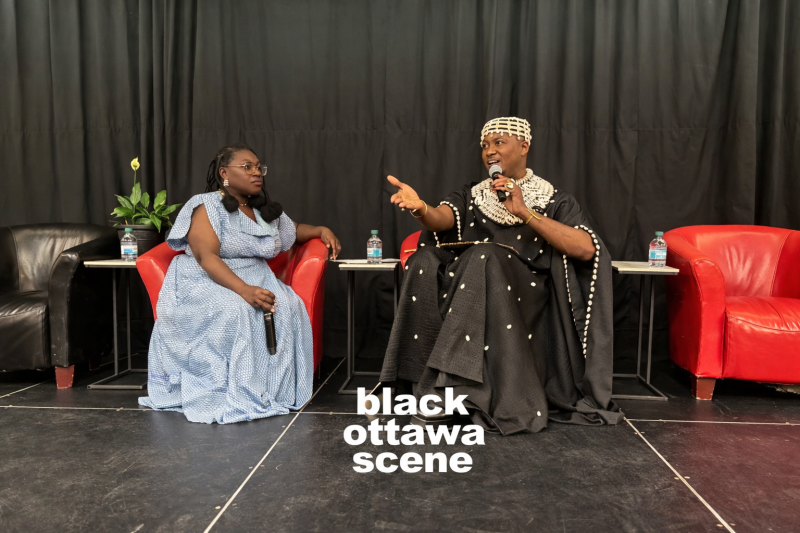
The keynote speaker, Dr. Andrew Campbell, an assistant professor in Leadership for Racial Justice at the University of Toronto’s Ontario Institute for Studies in Education, delivered a thought-provoking session on protecting what he described as “radical Black joy.”
“Many of us have been conditioned to undervalue our worth,” Dr. Campbell said. “Understanding what you deserve—and insisting on it—is a critical part of racial justice and leadership.”
Drawing on his experience as a Black academic in predominantly white institutions, Campbell spoke candidly about the pressures of self-doubt and the need to constantly justify one’s presence.
“Racism is deeply destructive,” he said, referencing the work of Toni Morrison. “It keeps you busy explaining your worth instead of living in it.”
Campbell defined Black joy not as fleeting happiness, but as a deliberate and radical act of resistance rooted in resilience and community.
“Black joy is not just a cute brunch,” he said. “It is resistance. It is survival. It is choosing to thrive in a world that often denies your humanity.”
He outlined practical strategies for protecting that joy, including “refusal and resistance” against harmful systems, “standing in one’s knowing,” and being intentional about how and when to share joy.
“Joy must be cultivated like a crop,” he said. “It requires care, intention, and protection—especially in an anti-Black world.”
Dr. Campbell also stressed the importance of representation and moving beyond tokenism.
“We have to stop being the ‘only one’ in these spaces,” he said. “Excellence should not be exceptional for Black people—it should be expected and visible everywhere.” He also highlighted the role of elders and community networks in sustaining Black identity and well-being. He underscored the importance of intergenerational wisdom and collective care in fostering resilience.
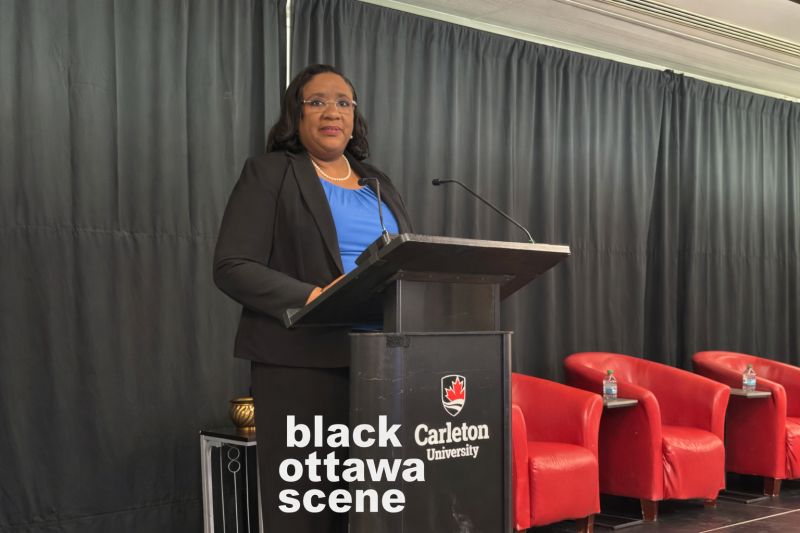
Earlier at the event, Professor Allison Everett, chair of the School of Social Work’s Black History Committee at Carleton University, reflected on the growth and impact of the initiative since its founding in 2018.
“When the seeds of this committee were sown, our vision was clear—to build bridges between higher education and the community,” Everett said. “We wanted to foster understanding, solidarity, and empowerment.”
What began as a three-member group has since grown into a robust committee delivering impactful programming on Black history, particularly within the context of social work.
“Through events like this, we shine a spotlight on the concerns and contributions of often overlooked Black communities in Canada,” she said. “As social workers, we have a duty to uplift these voices and disrupt the systemic injustices that continue to plague our society.”
Everett emphasized that Black history must not be confined to a single month. “Black history is every month,” she said. “Tonight is about celebrating our past, embracing the present, and forging a brighter future.”
Jamaica’s High Commissioner Marsha Coore-Loban acknowledged the recent devastation caused by a storm in Jamaica and expressed gratitude for the support shown by Canadian communities.
“We are deeply thankful to the students, faculty, businesses, churches, and organizations who have contributed to recovery efforts,” she said. “Your generosity helps restore hope and dignity.”
She also highlighted the importance of collective resilience. She said, “Joy and community are essential as we rebuild. They remind us of our shared strength.”
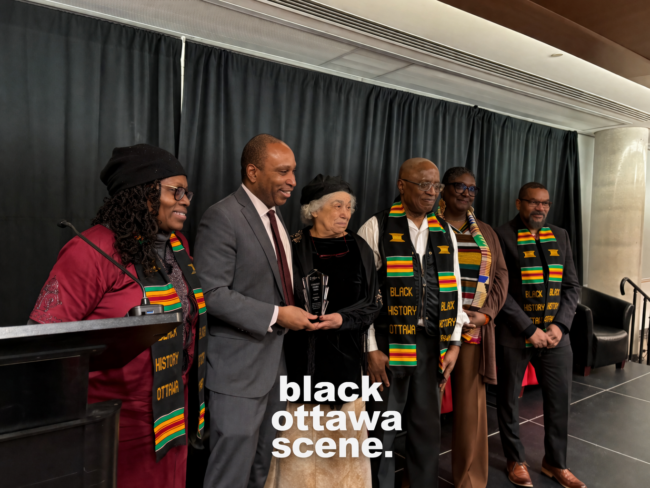
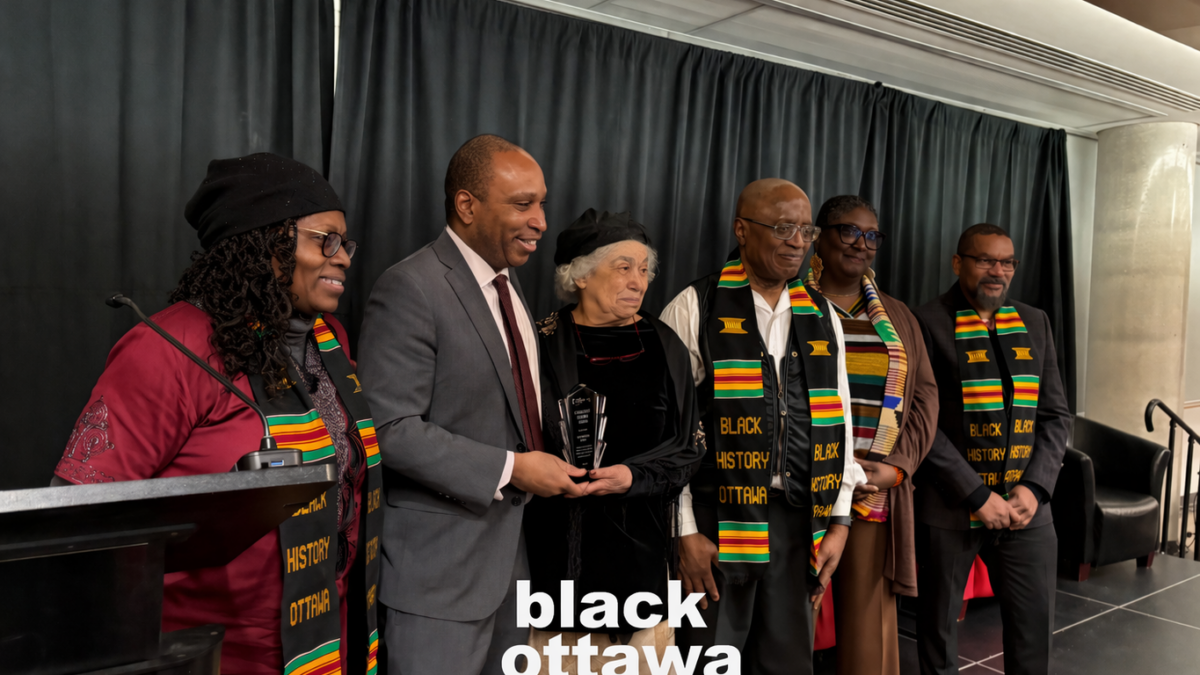
A major highlight of the evening was the presentation of awards recognizing individuals and organizations for their contributions to Black communities.
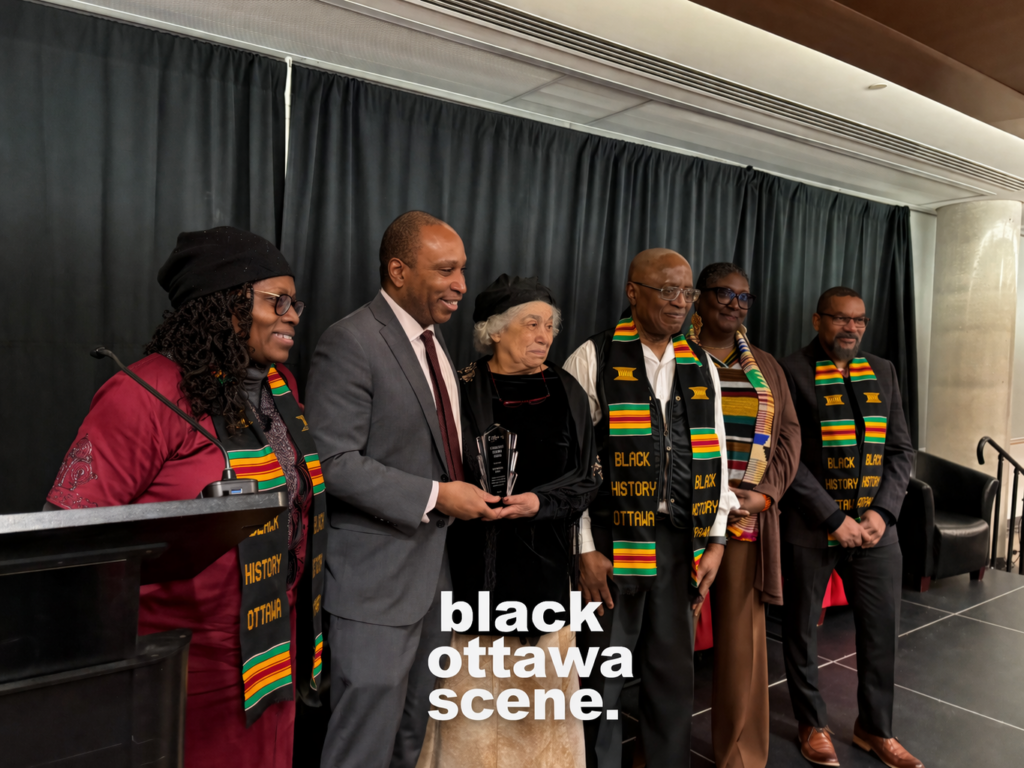
Black History Ottawa received the Community Builder Award for its decades-long commitment to advocacy and education, presented by Councillor King. The Hope in Action Award was presented by Coore-Loban to individuals making tangible community impacts. Rising Star honours went to Bachelor of Social Work Student, Precious Izimon, while the Lifetime Achievement Award was presented to Dr. Gerald Grant by Professor Nduka Otiono.