Marking Freedom: Emancipation Day at Upper Canada Village Honours Black History and Legacy
By Ijeoma Ukazu
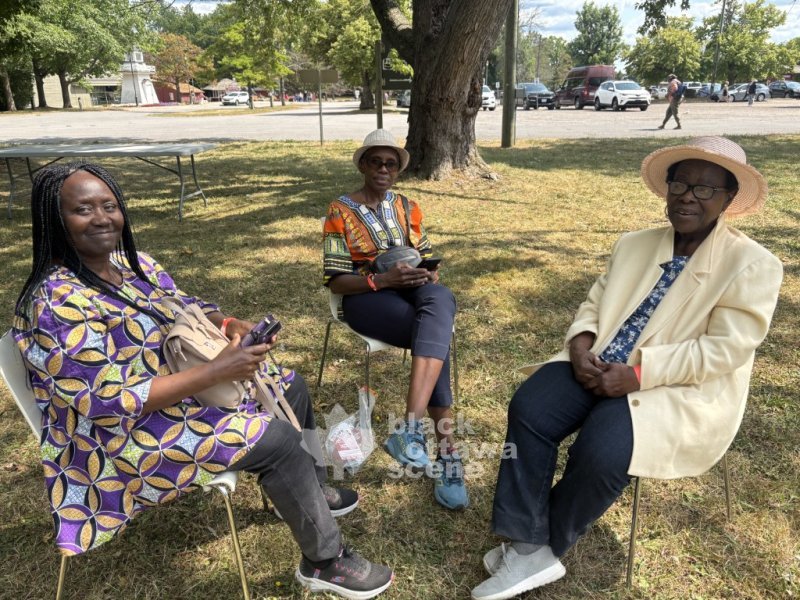
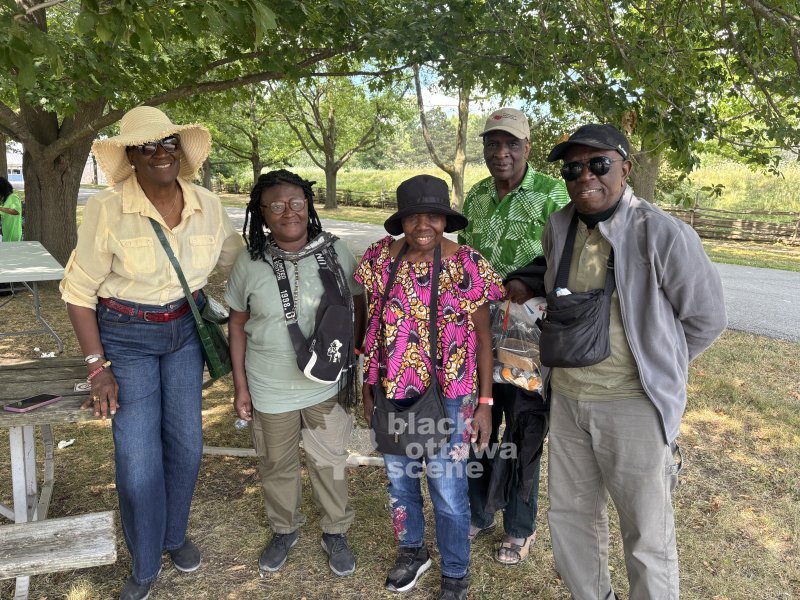
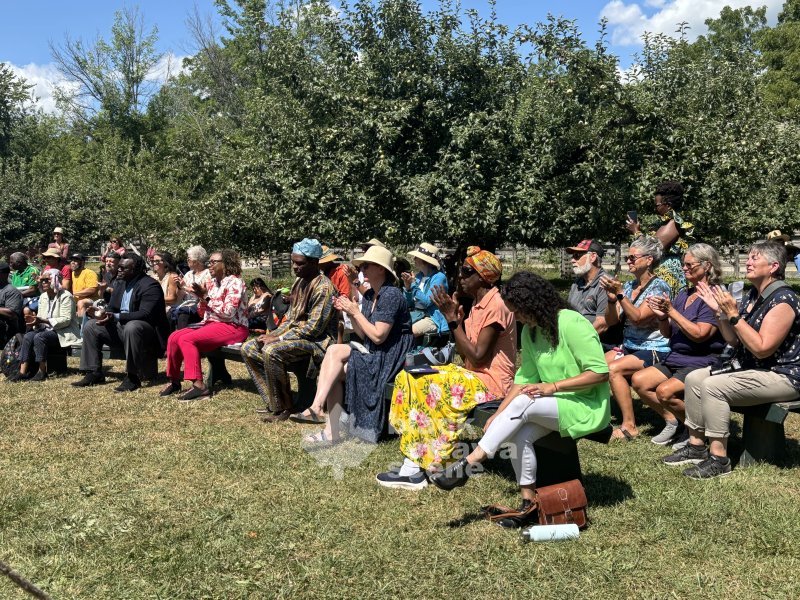
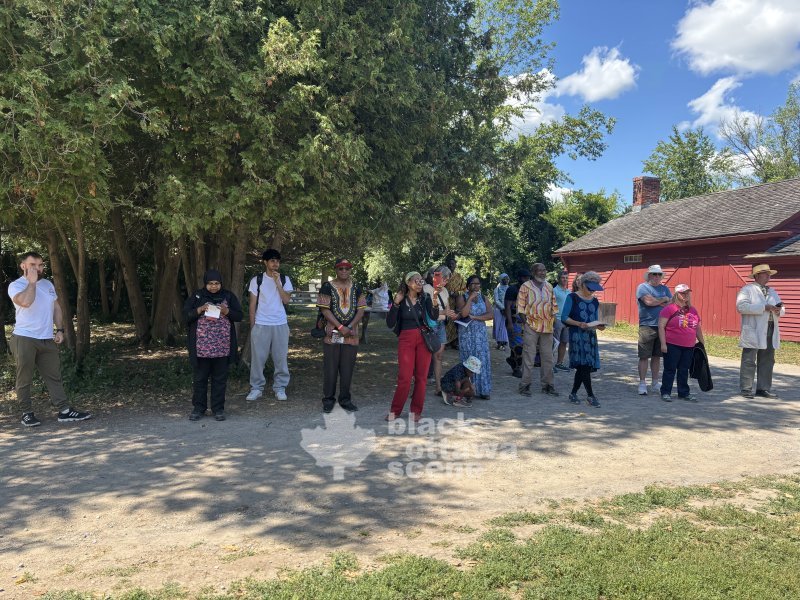
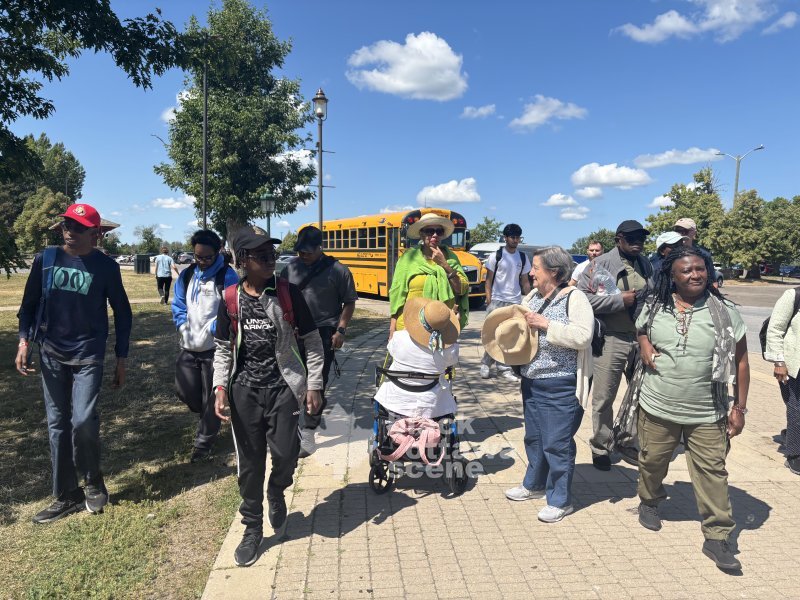
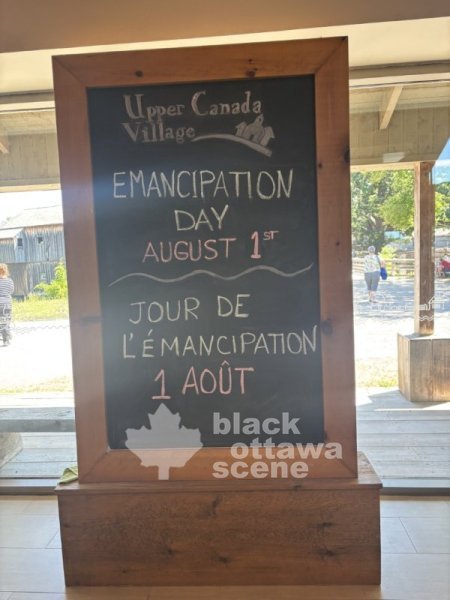
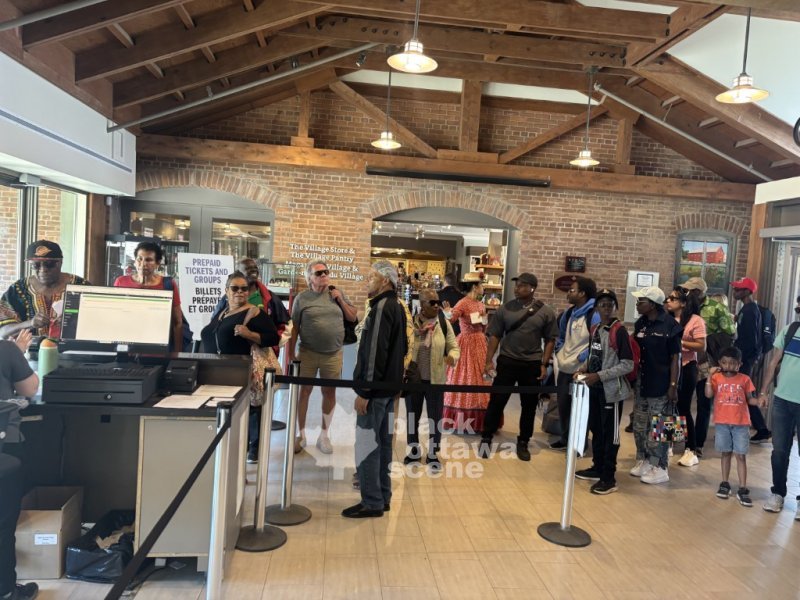
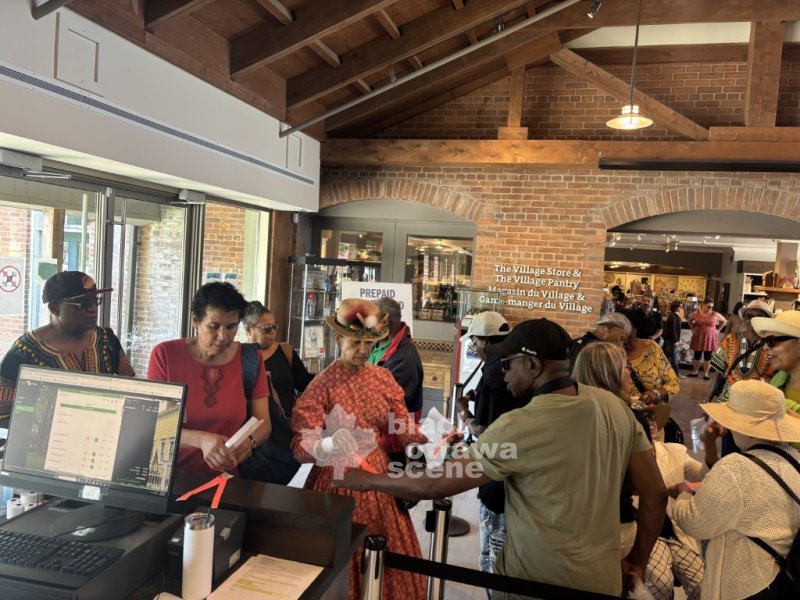
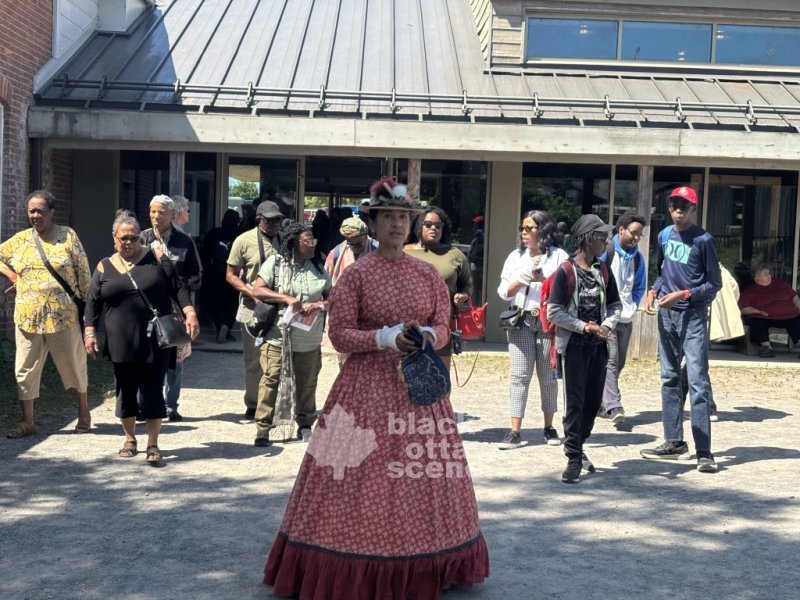
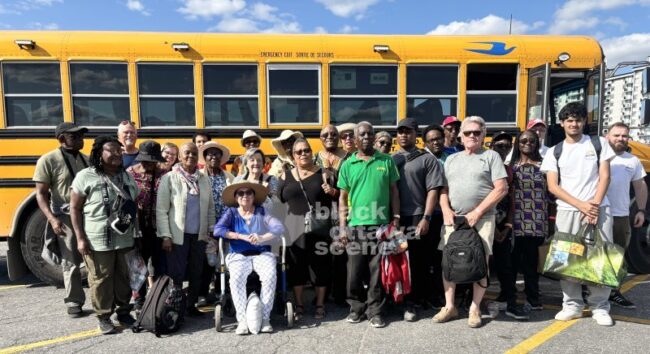
On Friday, August 1, 2025, members of the Ottawa Golden Oldies Seniors’ Club boarded a bus and journeyed to Upper Canada Village to commemorate Emancipation Day — a day that marks the abolition of slavery in the British Empire on August 1, 1834. Under the summer sun, elders, activists, artists, and public officials gathered to reflect on a centuries-long struggle for freedom, justice, and identity.
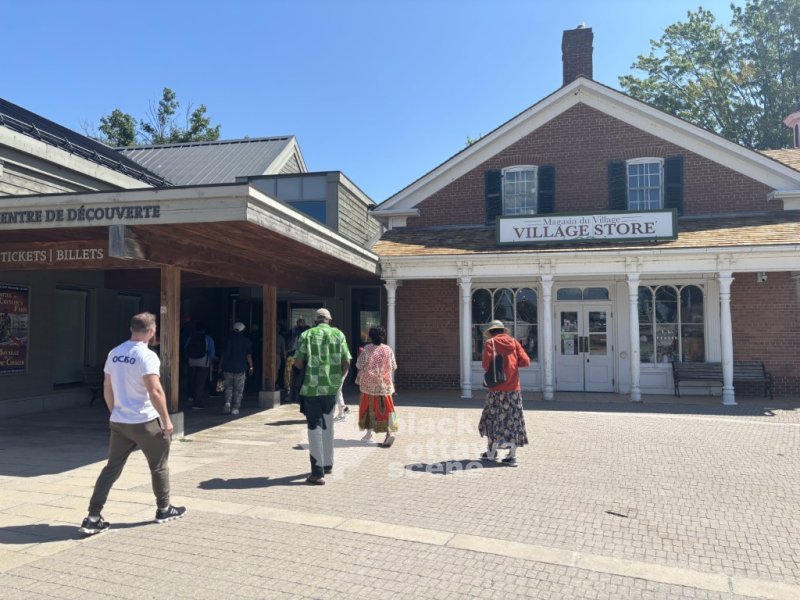
Hosted at the picturesque living-history museum in Morrisburg, the event blended education, art, and reflection in what many attendees called a powerful and long-overdue recognition of Canada’s own complex relationship with slavery and Black resilience.
Among the most striking voices of the day was Dr. Clyde Ledbetter, a seasoned scholar of African World Studies, who reminded the audience that the story of emancipation did not begin in 1834.
“The Black liberation project was never waiting on an Act of Parliament, an executive order, or a throne speech,” he declared. “Africans emancipated themselves long before any paperwork was signed.”
Dr. Ledbetter traced the resistance to enslavement back to 1492, when the first Indigenous people were enslaved by Columbus, and through to countless African revolts in the Caribbean and the Americas. He detailed the 1526 rebellion in what is now South Carolina, where African people burned down a colonial settlement and formed a free community with Indigenous allies. From maroon societies in Jamaica to the formation of Quilombos in Brazil, the narrative painted was one of unyielding resistance.
“These uprisings — especially in Haiti and Jamaica — forced the British Empire to reconsider slavery,” Ledbetter added, while cautioning that the end of chattel slavery did not end exploitation. “To end exploitation, you have to end empire.”
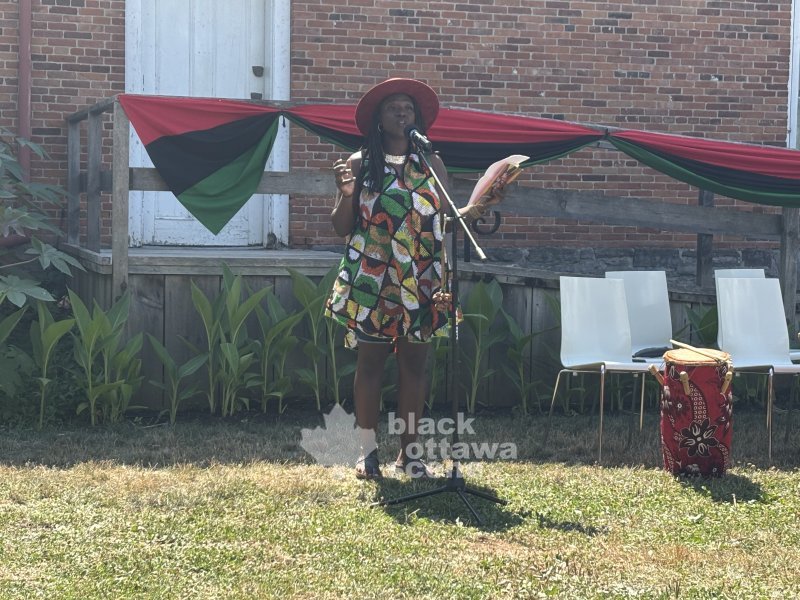
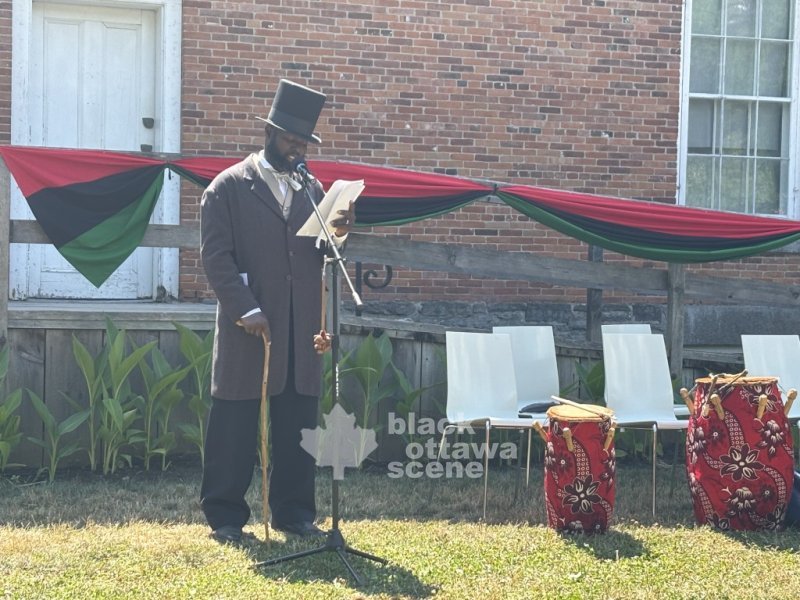
Adding a poetic and emotional resonance to the event was Abena Green, a spoken-word artist and two-time Halifax Slam Team member, who offered a searing critique of Canadian historical narratives. Her performance challenged the nation’s sanitized version of its past:
“We owned people, but we weren’t mean about it… so we grew up feeling better, relieved that we weren’t as bad as them,” she recited. “Our history books are full of halfway truths… Canada participated in the slave trade, and not everyone wanted the system uprooted.”
Her poem reflected on events rarely mentioned in public discourse — from the hanging of Mary Joseph Angelique in Montreal to the Shelburne riots, where a mob attacked a Black Baptist preacher and forced out nearly all Black residents.
“Wounds don’t heal unless they’re exposed,” she reminded the crowd. “We can love [Canada] and tell the truth. We can honour her and be honest.”
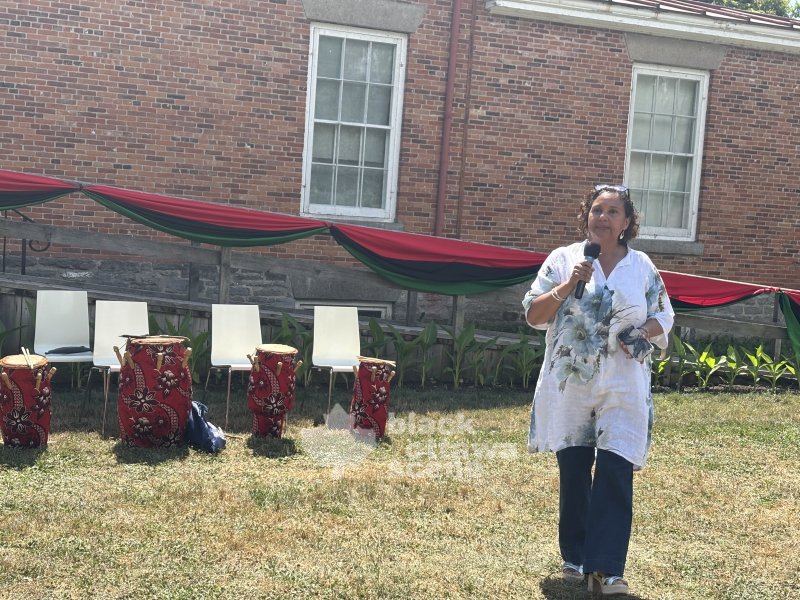
The importance of truth-telling and recognition was further highlighted by Senator Bernadette Clement, the first Black woman elected mayor in Ontario and now a member of the Senate of Canada. Bringing greetings on behalf of the Senate and Senator Wanda Thomas Bernard — a driving force behind Canada’s formal recognition of Emancipation Day — Clement shared personal reflections on the meaning of Black history in her own life.
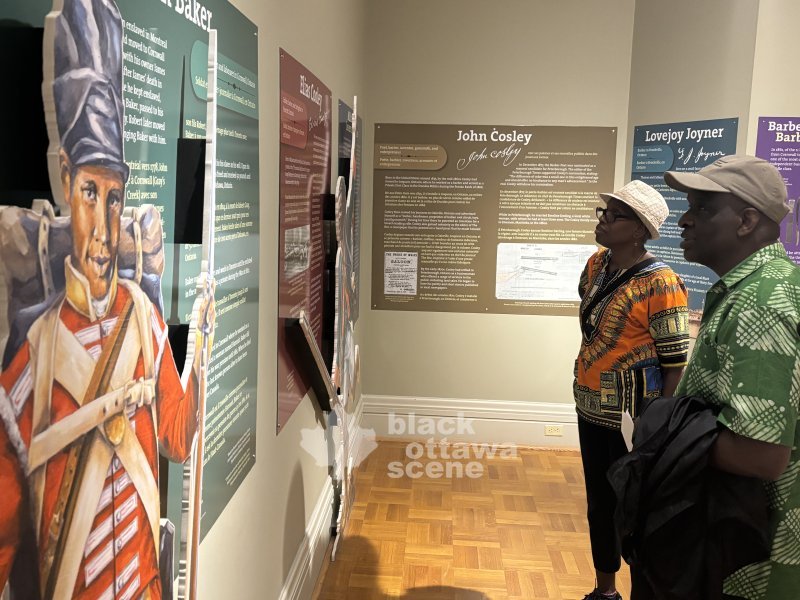
“When I heard in 2023 that Upper Canada Village would house a permanent exhibit celebrating Black history, I got in my car and drove here immediately,” she said. “To feel the power of that representation — it was personal.”
Clement, whose father emigrated from Trinidad and Tobago and lived to be 102, connected her family story to the legacies of the transatlantic slave trade. She spoke movingly of learning about local Black historical figures like John Baker, born into slavery but who later became a free man in the very region where the village stands.
“Black history is Canadian history,” she said. “But for some of us, it’s also deeply personal.”
Addressing rising anxiety among Black youth who worry about regressive trends in global and domestic politics, Clement urged a return to local stories and communities as sources of strength and identity.
“The solution I offer is to focus on the local — the communities where we live, the stories we carry, the people who shaped us.”
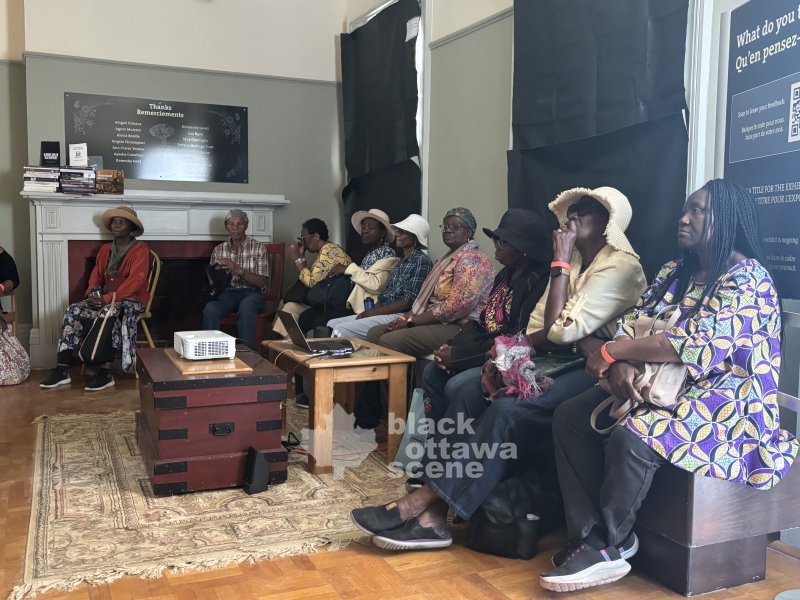
In the afternoon, attendees were invited to view Black Soul, an animated short film by director Martine Chartrand. The visually rich narrative, painted on glass, traced the history of the African diaspora across continents, weaving together trauma, survival, and celebration in under ten minutes. The film was housed in the only air-conditioned building on site — a welcome break from the sun, and a symbolic space for reflection.
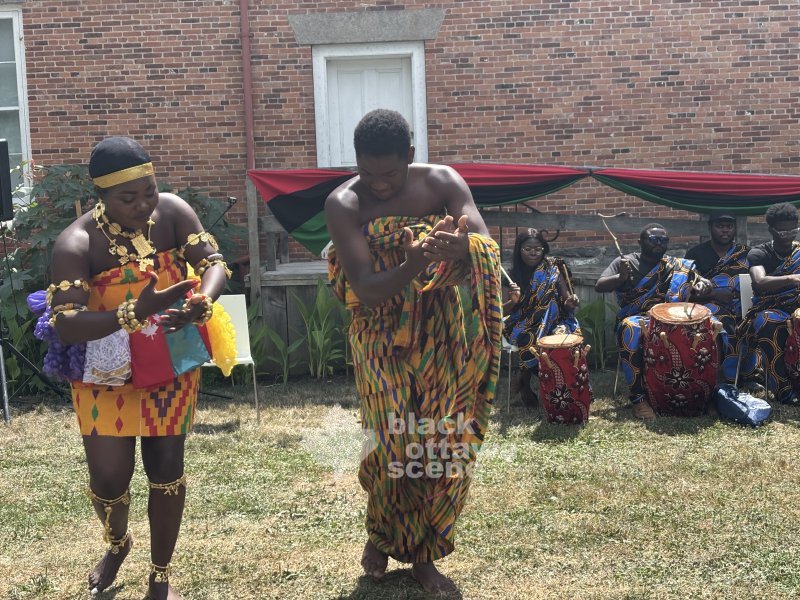
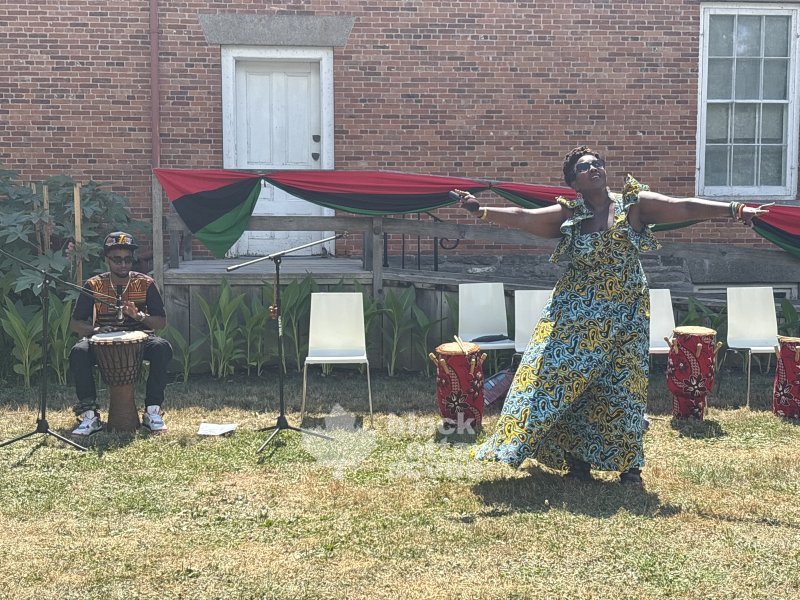
The highlights of the day included vibrant performances by the Sankofa Cultural Troupe, a youth-based Ghanaian ensemble based in Ontario. With powerful drumming, spirited dancing, and storytelling rooted in ancestral traditions, the troupe brought a celebratory energy that balanced the day’s heavy truths with cultural pride and joy.
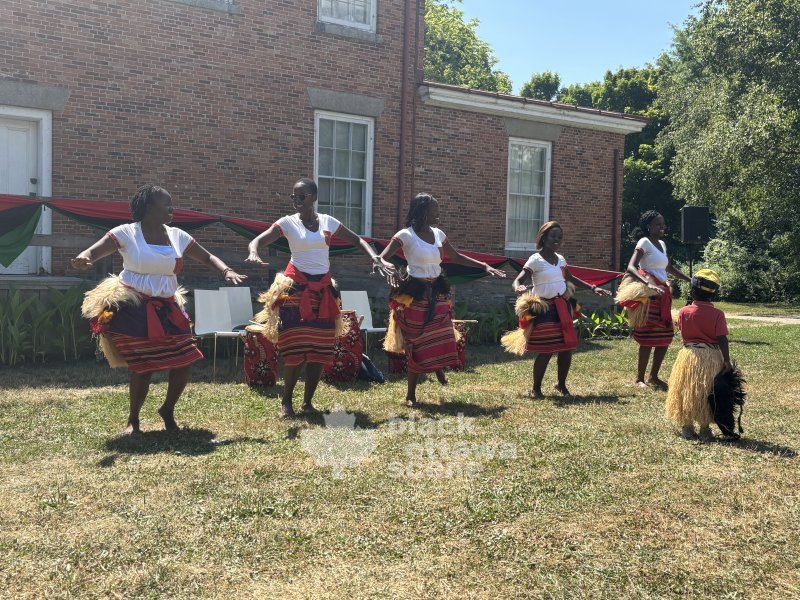
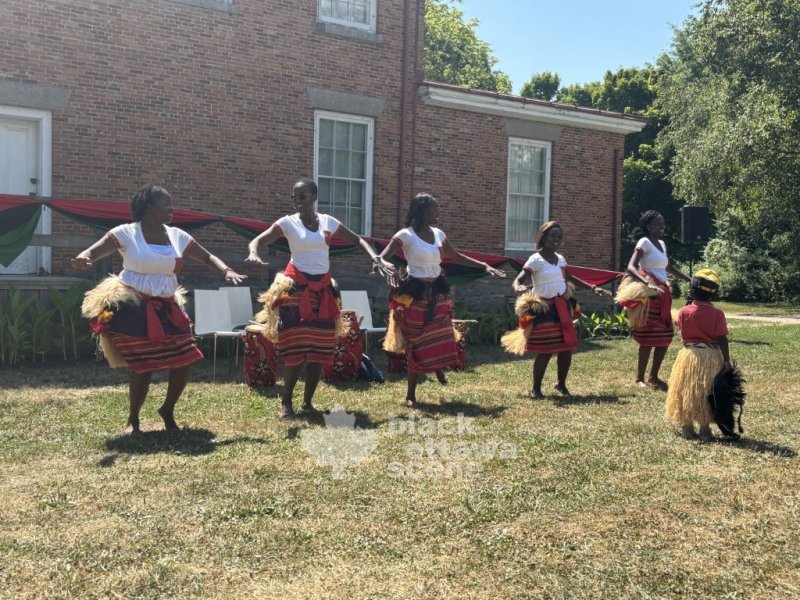
The program also featured the Ngoma Dancers — a dynamic group of women who share Ugandan culture and history through movement, and a soul-stirring song performance by Empress Nyiringango.
As the 191st Emancipation Day celebration drew to a close, attendees were reminded that Black presence in Canada is not new — and neither is Black resistance. The permanent Black history exhibit at Upper Canada Village stands as a lasting testament to that enduring legacy.