The Promise of Public Education: Who Gets to Benefit?
by Parents For Diversity.
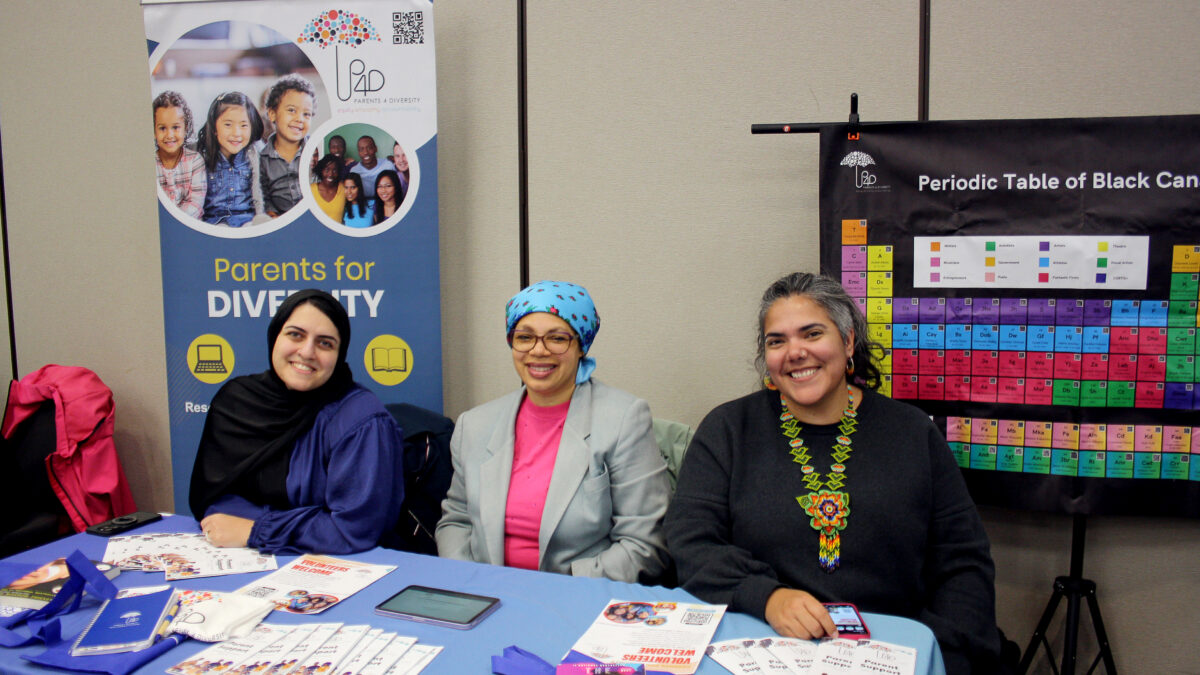
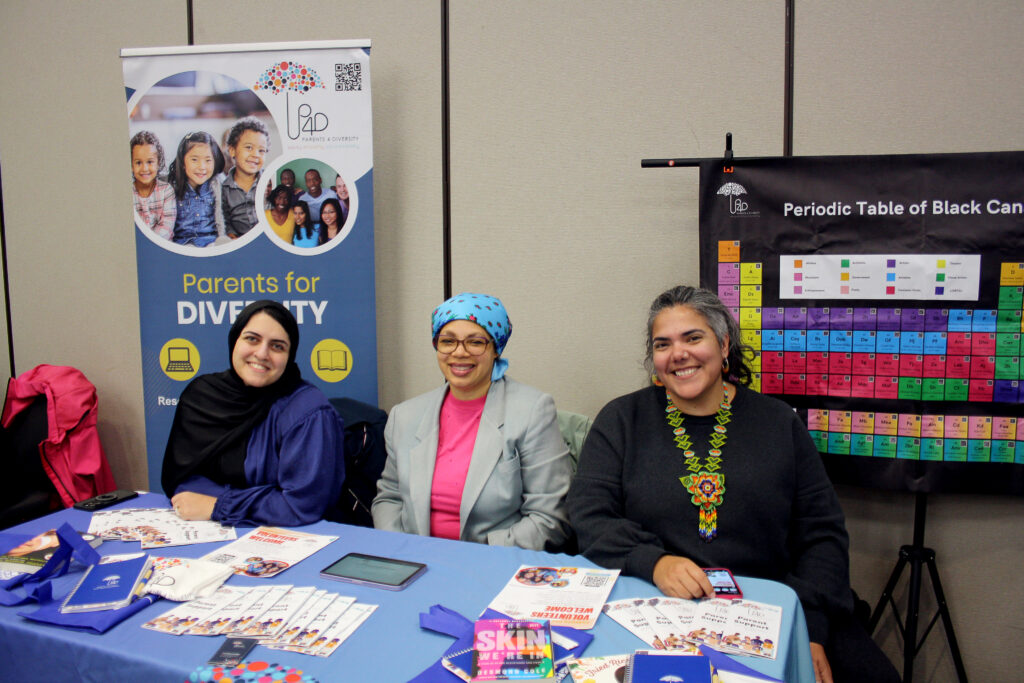
What does it mean to call public education a social good—and a human right? That question sits at the centre of Three Pillars & A Promise: Public Education as a Human Right & Social Good, a September 8th online event hosted by Parents for Diversity. The discussion will examine how changes in policy, governance and financial investment are reshaping Canada’s public education systems, while asking what equity, empathy, accountability and allyship should look like in practice.
The premise is deceptively simple: public education is supposed to be for everyone. However, Canada’s history shows that the promise has never been equally fulfilled.
Compulsory schooling expanded across Canada in the 19th century alongside the belief that education could prepare children for citizenship and participation in public life. Yet, access was uneven, and schools often reflected the racial, cultural and economic hierarchies of their time. Indigenous children were subjected to residential and other segregated schooling designed in significant part to assimilate them. That history remains an important reminder that institutions created in the name of public good can also cause profound harm when equality is not built into their policies and practices.
For Black Canadians, the history of public education also includes exclusion and segregation. In Ontario, for example, Black students could be directed into segregated schools or classrooms, sometimes with the explicit or implicit justification that separation was appropriate. Although formal segregation has largely disappeared, researchers and advocates continue to document barriers affecting Black students, including racial stereotyping, disproportionate disciplinary consequences, streaming into less academically demanding programs and underrepresentation among teachers and school leadership.
These barriers can have cumulative effects. Students who are repeatedly perceived as disruptive rather than capable, for example, may face disciplinary action that removes them from learning time. A student inappropriately placed in applied or non-academic courses can encounter narrower pathways to postsecondary education. Families may also find themselves having to challenge assumptions about their children’s abilities or advocate repeatedly when they believe racial bias has influenced decisions about discipline, placement or support.
Any student who arrives at school carrying the effects of poverty, racism, disability, displacement, language barriers or discrimination does not necessarily need lower expectations. They need public institutions capable of removing obstacles that other students may never encounter. Equity is not about giving some children an advantage; it is about ensuring that barriers unrelated to potential and capability do not determine who gets to succeed.
The stakes are high, and they extend beyond the classroom. Education can provide access to employment and economic mobility, but it also helps children understand their rights, participate in democracy, build relationships across differences, and develop a sense of belonging. The federal government describes quality education as a driver of social and economic prosperity, a means of reducing inequality, and a foundation for the realization of human rights.
That is why the emphasis of P4D’s September 8th event on governance, investment and accountability is consequential. Calling education a right means asking who makes decisions, where resources go, whose experiences count as evidence and what happens when systems repeatedly produce unequal outcomes. It also means recognizing that marginalized families should not have to become expert advocates simply to obtain conditions that respect the basic rights of their children and that other children take for granted.
The promise of public education, then, is larger than schooling itself. It is a promise that every child belongs in the civic community and deserves the opportunity to develop their abilities and shape their future. Three Pillars & A Promise invites participants to consider whether Canada’s education systems are living up to that promise—and what parents, educators, policymakers and communities must do when they are not.
To join this important public policy discussion, register to attend Three Pillars & A Promise: Public Education as a Human Right & Social Good online Tuesday, September 8th at 6:30 pm. Everyone who registers will receive a replay link, accessible for seven (7) days following the event. So, even if you cannot attend on the day, you can still listen to this timely conversation..