Friday 5 June 2026
World Environment Day – Small Actions, Big Impact: Environmental Advocates Empowers Ottawa’s Francophone Youth
by Ijeoma Ukazu, Local Journalism Initiative Reporter
When Albin Pavel Tchoupa Noumedem arrived in Canada in 2025 in search of better opportunities, he brought with him more than professional experience. The young Cameroonian environmental engineer also brought a deep commitment to environmental protection and a passion for educating young people about sustainability.
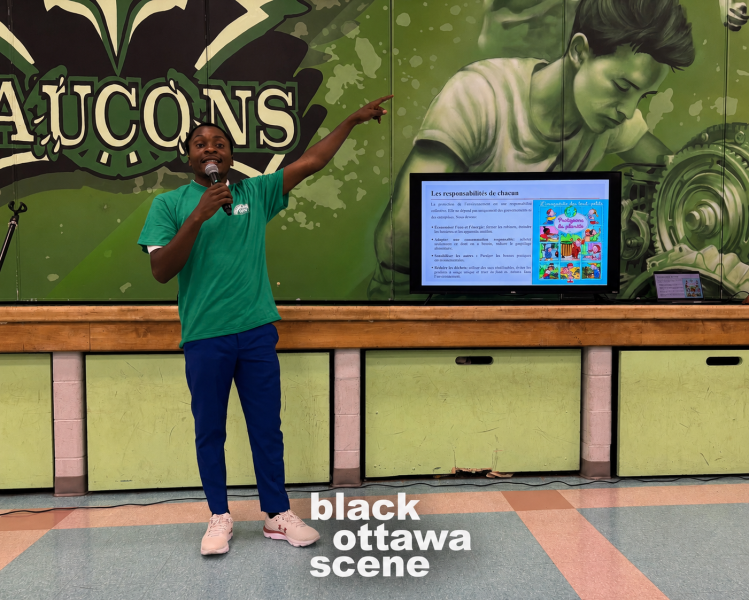
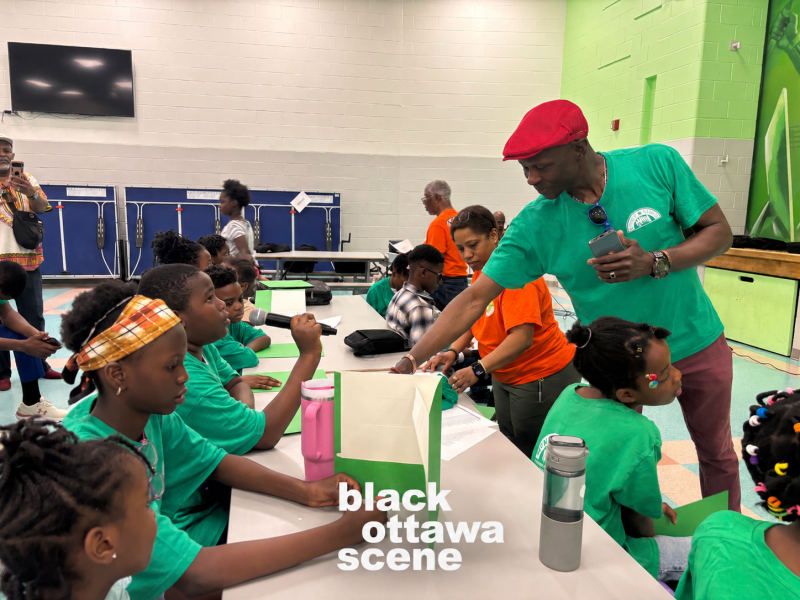
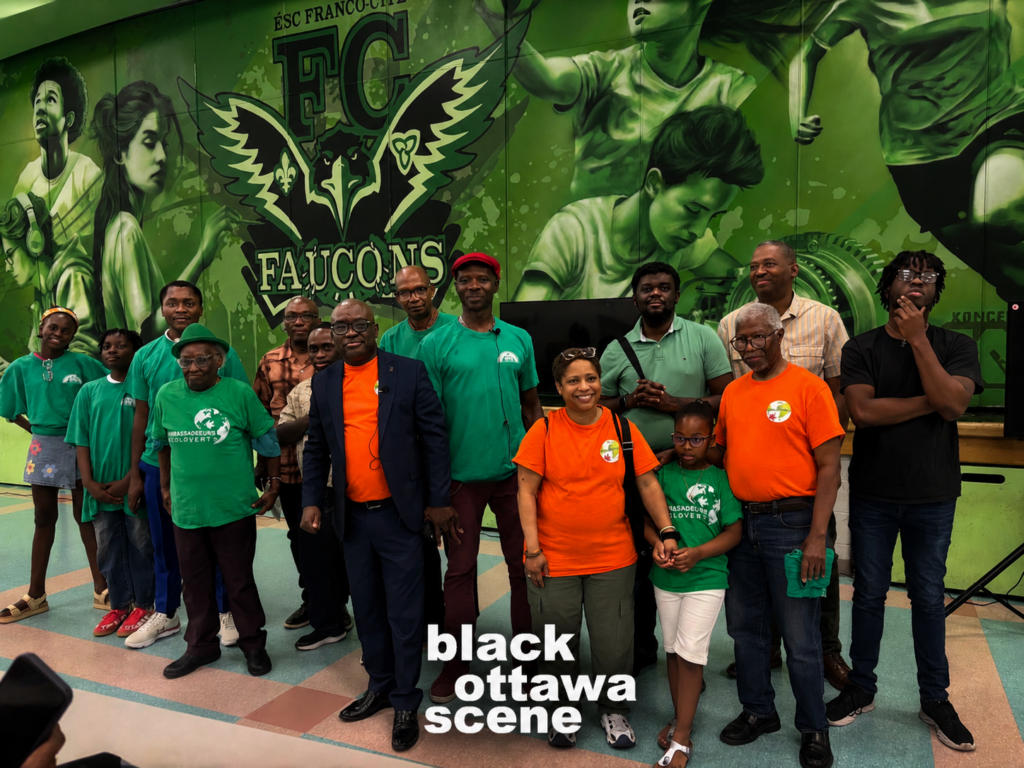
Speaking during a World Environment Day event held on June 5 for children and youth in Ottawa’s Francophone community, Noumedem emphasized the importance of community involvement in environmental protection and the need to educate both young and old on effective waste management practices.
“Our environment is our life,” he said. “If we have a problem with our environment, every other aspect of our lives suffers—our health, our businesses, and our well-being. Small actions by every household can help protect the environment.”
At École Secondaire Catholique Franco-Cité, where the event took place, Noumedem highlighted Canada’s waste management system and the role individuals must play in making it effective.
“Canada has many bins for waste disposal, which makes it easier to sort and collect waste,” he explained. “However, people still need to make an effort to learn which materials belong in each bin. The first action is ours because small actions in our communities can have a huge impact across the country.”
Over the last four years, Noumedem has trained approximately 300 people in Cameroon on waste collection, environmental awareness, and recycling. Through these initiatives, he witnessed firsthand the damaging effects of plastic waste on rivers, neighbourhoods, and local ecosystems.
After moving to Canada, he continued his environmental advocacy, encouraging young people to take advantage of the information and resources available to support sustainable living.
When asked about individual responsibilities, Noumedem encouraged youth to adopt environmentally responsible habits.
“Buy only what you need and reduce food waste,” he advised. “Share good environmental practices with friends and classmates. Use reusable bags, reduce waste, and avoid throwing garbage into the environment.”
According to Noumedem, environmental pollution contributes to poor health outcomes, food insecurity, and rising living costs.
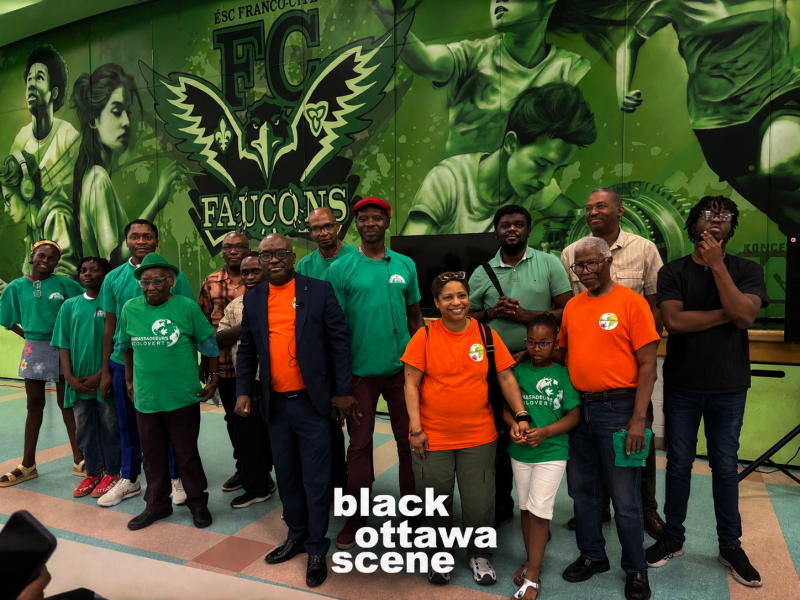
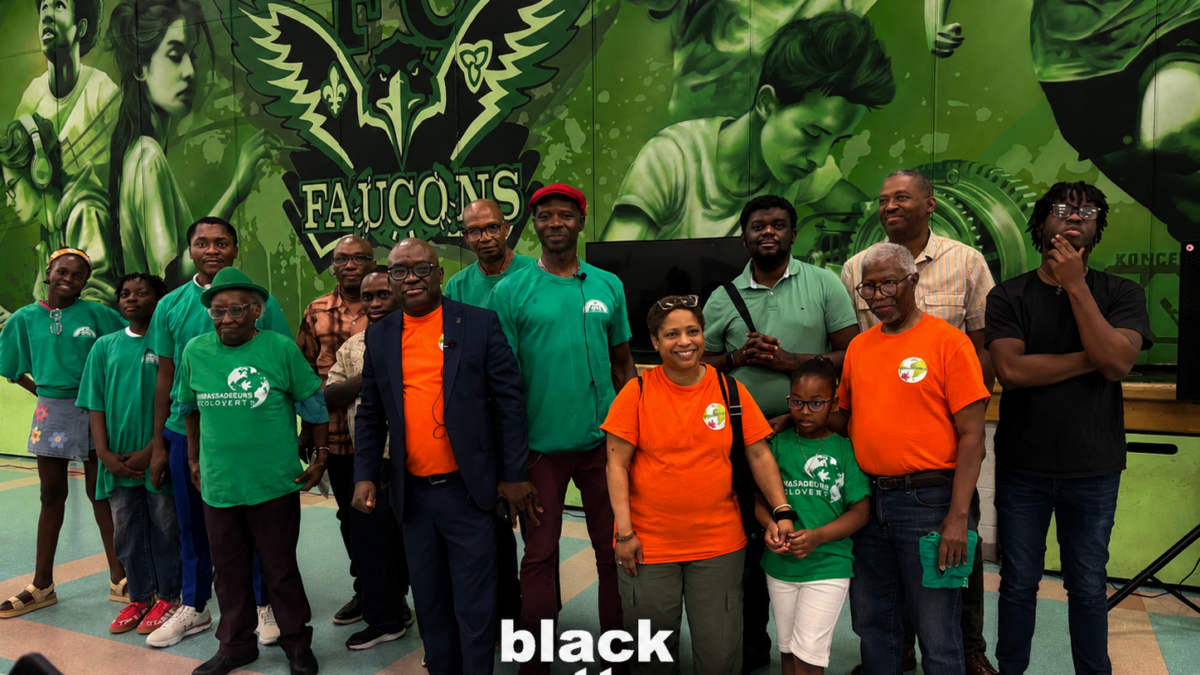
The World Environment Day event was organized by the Regroupement des Professionnels Nés ou Formés à l’Étranger (RPNFE-AFBTP), an organization dedicated to supporting the integration of foreign-born and internationally trained professionals into Canadian society.
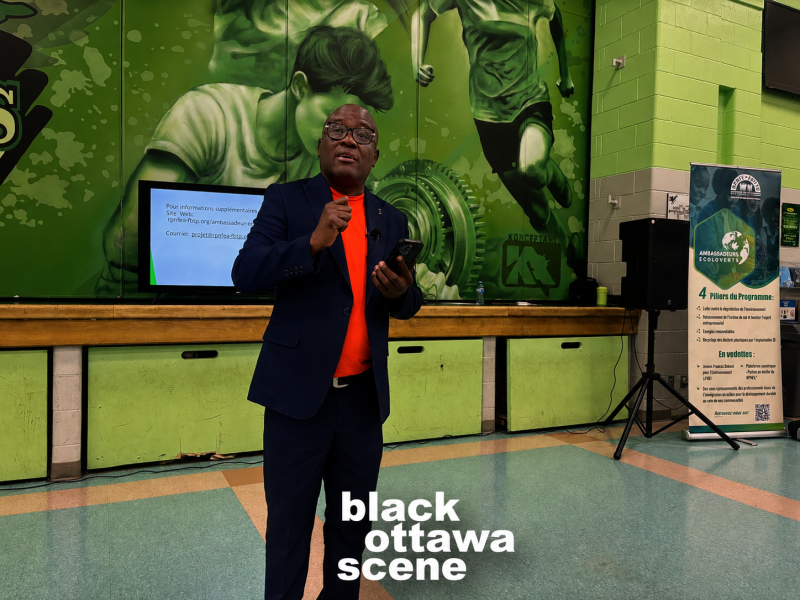
For Philippe Dieudonné, Director General of RPNFE-AFBTP, the event was an opportunity to engage children and youth in meaningful conversations about climate change and environmental responsibility.
“We saw last week that sometimes, even within the same day, the weather can change dramatically. It can be very cold and then very hot. Climate change is a reality,” Dieudonné said, noting that some people still question the existence of climate change despite growing evidence.
He stressed the importance of ensuring that young people continue discussing environmental issues and learning practical ways to protect the planet.
“At our events, young people learn how to save and protect the environment,” he said. “It is important that we show them how to reduce greenhouse gas emissions.”
Dieudonné emphasized the benefits of teaching youth about energy-efficient technologies and renewable energy sources.
“We should teach them the importance of using LED light bulbs, solar energy, and other forms of clean electricity,” he said.
He added that today’s youth will inherit the responsibility of safeguarding the planet and that environmental initiatives designed by and for young people are essential in preparing future generations for that challenge.
Dieudonné noted that the initiative aligns with the United Nations’ Sustainable Development Goals, particularly those related to climate action and clean energy, by educating young people about environmental responsibility and sustainable living.
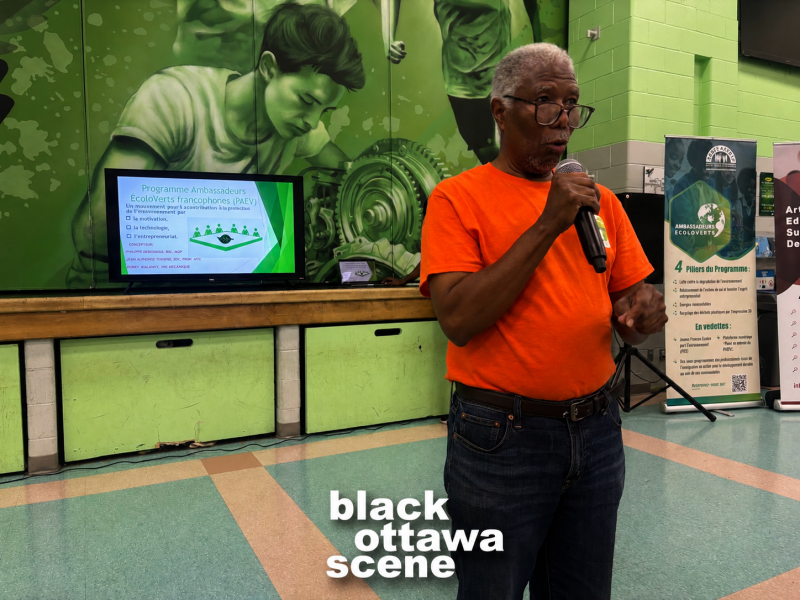
Co-founder of the organization, Jean Alphonse Tomsine highlighted the organization’s ongoing training programs, which focus on environmental pollution, ecosystem degradation, renewable energy, climate change, greenhouse gas emissions, workplace health and safety, and overall well-being.
“We organize summer camps for young people where they learn about plastic recycling, 3D printing technologies, and proper waste disposal practices,” Tomsine said.
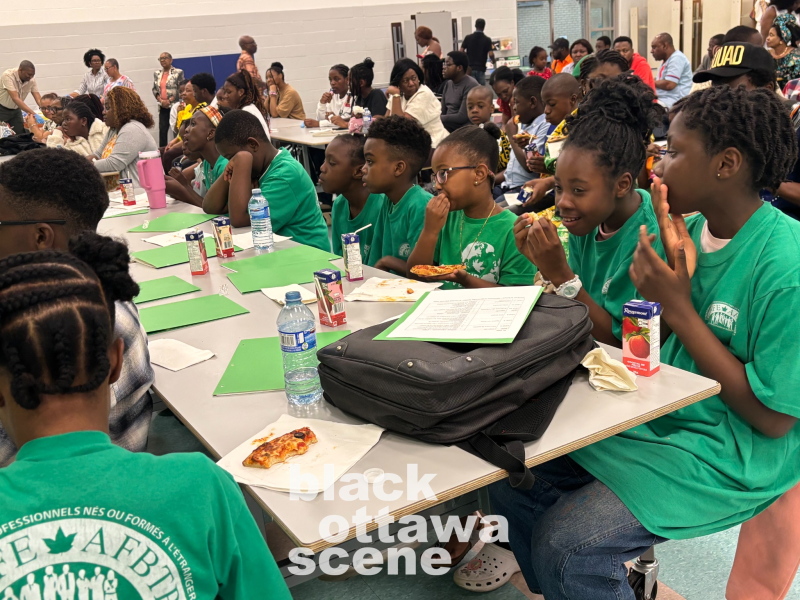
Throughout the event, children and youth actively participated in presentations and question-and-answer sessions, demonstrating a keen interest in environmental issues and their impact on the future.
Having spent years educating communities about waste management and environmental responsibility, Noumedem hopes more young people will become active participants in protecting the planet.
“Young people should share environmental knowledge within their communities to help build a sustainable future for everyone,” he said. “Protecting the environment is our collective responsibility. It does not depend solely on the government.”