“From Tree to Wood: What Grandma Akrasi’s Proverb Teaches Ottawa About Climate and Community.”
By
Dr. Kwaku Kusi-Appiah
“One cannot heal what one refuses to name, and one cannot grow what one pretends remains alive.”
– Akua Akrasi
Abstract
This article examines a proverb passed down by Grandma Akrasi: “When a tree is cut down, it ceases to be a tree, it is wood.” The article uses this proverb as a framework for honest climate communication and community action in Ottawa. Drawing on African ecological thought and climate psychology, it argues that distinguishing between living ecological function and inert form is essential to reducing climate anxiety and advancing equitable stewardship. The article highlights local Ottawa initiatives where Black-led and community-led groups are restoring ecological function in neighborhoods with low tree canopy and calls for climate action rooted in principles of memory, honesty, and renewal.
Keywords: Climate anxiety, ecological function, community action, urban forestry, environmental justice, Ottawa
Introduction
Ottawa folks, let us talk about trees. Not just the ones lining Bank Street or filling Gatineau Park, but what they mean when the seasons shift, and the climate conversation becomes real. Grandma Akrasi used to say:
“When a tree is cut down, it ceases to be a tree, it is wood.”
At first glance, it sounds simple. Yet beneath its simplicity lies a profound ecological and moral lesson; one that challenges how we think about the environment, our neighbourhoods, and the future we are building here in Ottawa.
The proverb reminds us that a living thing is defined not merely by its appearance, but by the work it performs in sustaining life around it. In a time of intensifying climate uncertainty, that distinction matters more than ever.
A Tree Is More Than Wood: It Is a Living System
A living tree cools the air, removes carbon from the atmosphere, stabilizes soil, absorbs stormwater, shelters biodiversity, and provides relief on those increasingly common 35°C August afternoons. A tree is not simply an object; it is an active participant in ecological balance.
Once that tree is cut down, we are left with wood. Wood remains useful, yes, but it no longer performs the living ecological work of the tree. It no longer breathes with the environment. In the language of everyday life, it creates “wahala” in the air.
This understanding aligns closely with African ecological thought. Ghanaian philosopher Kwame Gyekye argues that African conceptions of nature emphasize the interdependence of humans, land, and communal wellbeing, rather than viewing nature merely as physical matter. Likewise, Western ecology defines ecosystems according to function; carbon storage, water cycling, habitat creation, and resilience, not simply outward form.
When ecological function disappears, identity changes.
This is precisely what many communities across Canada, and particularly within the National Capital Region, are experiencing today. A patch of land may still be labeled “green space” on a planning document, but if it no longer cools neighbourhoods, supports biodiversity, or protects residents from heat and flooding, then it has become green space in name only; wood on paper.
Communities feel this loss first and most intensely, especially in neighbourhoods where tree canopy is sparse and environmental stressors are highest.
Naming Things Honestly Eases Climate Stress
Climate anxiety is real. It is the wahala that settles into the mind and body; the quiet weight of uncertainty, grief, frustration, and fear about environmental decline. Researchers define climate anxiety as the emotional and cognitive distress associated with concerns about climate change.
African environmental philosophy offers insight into why this distress deepens when societies refuse to confront environmental loss honestly. Nigerian philosopher Segun Ogungbemi argues that ethical failure occurs when degraded systems are treated as though they still retain their original vitality and purpose.
Part of today’s climate stress emerges from the widening gap between official narratives and lived reality. Residents are told their city is sustainable, resilient, and green, while simultaneously witnessing intensifying heat, severe storms, vanishing canopy cover, and unequal environmental protection. This disconnect between language and reality contributes significantly to eco-grief, public distrust, and disengagement.
Grandma Akrasi’s proverb cuts directly through that confusion.
It insists on honesty.
It tells us to call wood wood.
To acknowledge loss clearly.
To name the wahala without euphemism or denial.
To recognize when systems are no longer functioning as living systems.
Importantly, this honesty is not pessimism. It is not surrender. Rather, it is the foundation upon which meaningful restoration can begin. Communities cannot rebuild what they refuse to acknowledge has been lost.
Turning Wood Back Into Living Systems
Once we honestly recognize what has been diminished, we can begin imagining what must be rebuilt.
That transformation is already taking place across Ottawa.
Community advocates and environmental organizations are working to expand tree canopy in neighbourhoods such as Overbrook, Vanier, and Bayshore, where coverage remains below the city average and residents experience disproportionate environmental pressures. Ottawa’s Urban Forest Management Plan has identified many of these canopy inequities and established targets for more equitable urban greening.
At the grassroots level, Black-led urban agriculture initiatives, community gardens, youth climate programs, and neighbourhood stewardship projects are reclaiming vacant lots and underused spaces and transforming them into productive, living environments once again. Organizations such as Just Food and the African-Canadian Association of Ottawa (ACAO) are demonstrating that climate action becomes most powerful when rooted in community participation, cultural memory, and local ownership.
Environmental educators increasingly argue that local, hands-on ecological action is essential for transforming anxiety into agency. African environmental traditions echo this principle by emphasizing restoration through communal responsibility, land stewardship, and intergenerational care.
In other words, healing begins where people plant roots again.
Why This Matters to Black Ottawans
For Black communities, land, air, water, and food are never abstract environmental concepts. They are directly connected to health, culture, memory, dignity, and survival.
Many of us grew up witnessing environmental stewardship in ordinary spaces; backyard gardens, shared food systems, careful reuse of resources, and cultural teachings rooted in respect for the land. The Sankofa principle reminds us that one must learn from the past in order to move forward wisely.
Environmental care is not foreign to our communities. It is already embedded within our histories and practices.
The challenge now is ensuring that Ottawa’s climate future reflects those values in tangible ways. Climate policy must move beyond symbolic commitments toward material outcomes: real canopy growth, real cooling infrastructure, real environmental equity, real green employment opportunities.
Real decision-making power for the communities most affected by climate change
Anything less risks leaving entire communities surrounded by “wood” while others continue to enjoy living forests.
The Takeaway
Grandma Akrasi’s proverb offers both a warning and an invitation.
Do not become comfortable calling wood a tree.
Do not mistake symbolism for ecological function.
At the same time, do not remain trapped in grief, but rather, name what has been lost.
Name the wahala, honour it honestly, then begin the work of renewal.
Ottawa is changing rapidly. The real question is whether the city will become all wood and no forest, or whether it will remain alive, rooted, equitable, and thriving for the next generation.
Works Cited
Chapin, F.S. III, Matson, P.A., & Vitousek, P.M. (2011). Principles of Terrestrial Ecosystem Ecology. Springer.
Clayton, S. (2020). Climate Anxiety: Psychological Responses to Climate Change. Journal of Anxiety Disorders, 74: 102263.
Gyekye, Kwame. (1996). African Cultural Values: An Introduction. Accra: Sankofa Publishing Company.
Ogungbemi, Segun. (1997). An African Perspective on the Environmental Crisis. In Environmental Ethics: Readings in Theory and Application, edited by Louis P. Pojman, 302–308. Belmont: Wadsworth.
Pihkala, P. (2020). Eco-Anxiety and Environmental Education. Sustainability, 12(23): 10149.
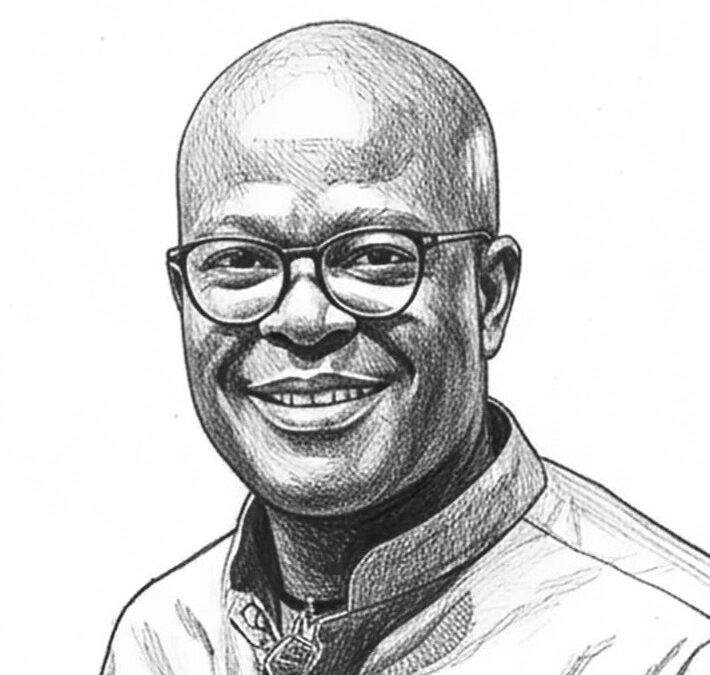
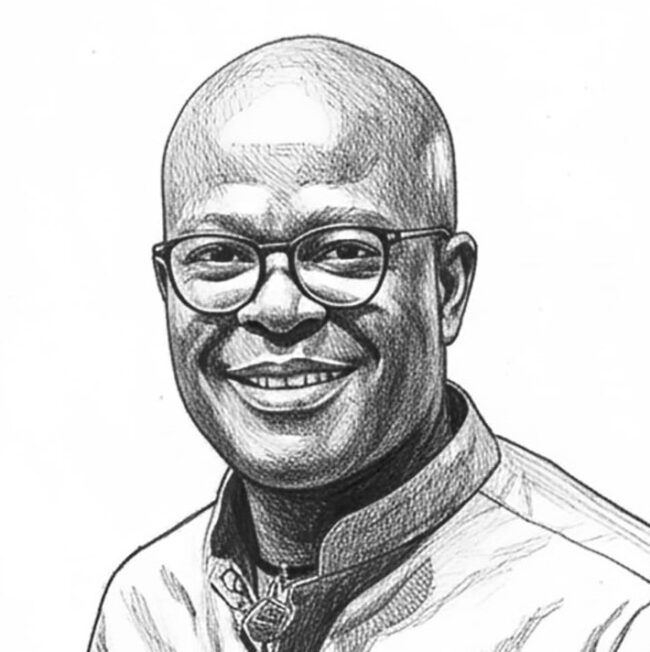
Andy (Kwaku) Kusi-Appiah is a community leader, political ecologist, researcher, lecturer/educator based in Ottawa. A former president of the Ghana Association of Ottawa (Andy served as president for two terms), he is deeply committed to serving his community, mentoring young leaders and fostering dialogue among African and Caribbean diasporas in Canada. His work explores leadership, sustainability, and community renewal.