Wednesday 29 April 2026
The Bigger Picture: What We Heard When Black Women Gathered to Talk About Maternal Health
by Canadian Women of Colour Leadership Network
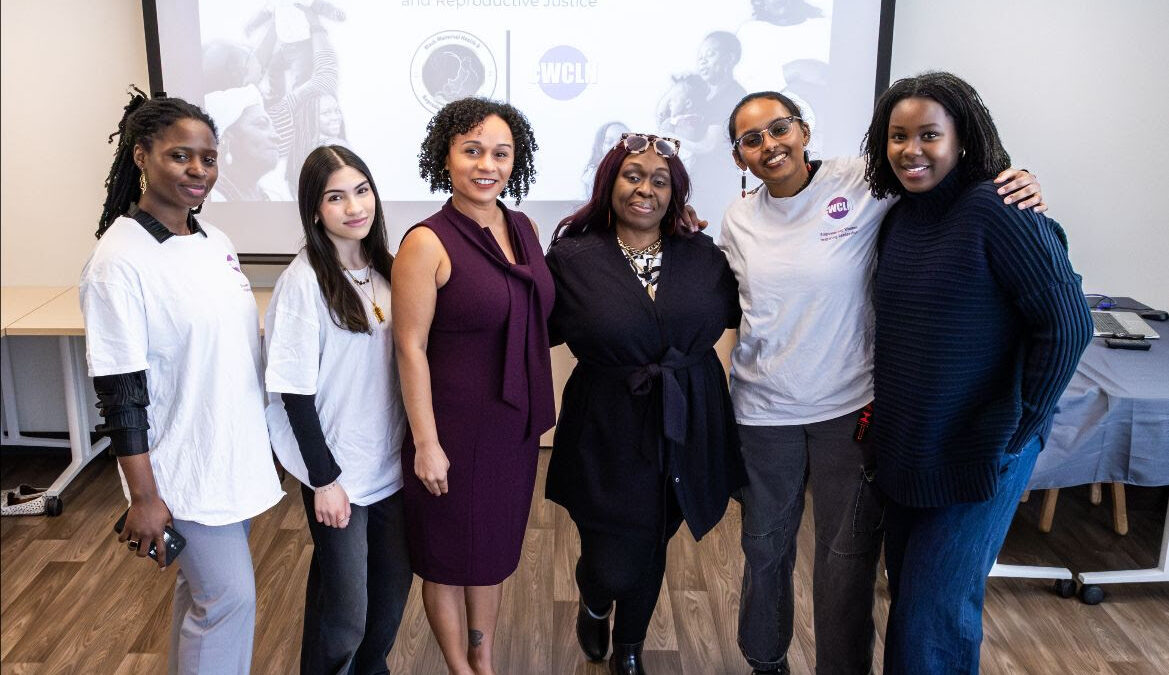
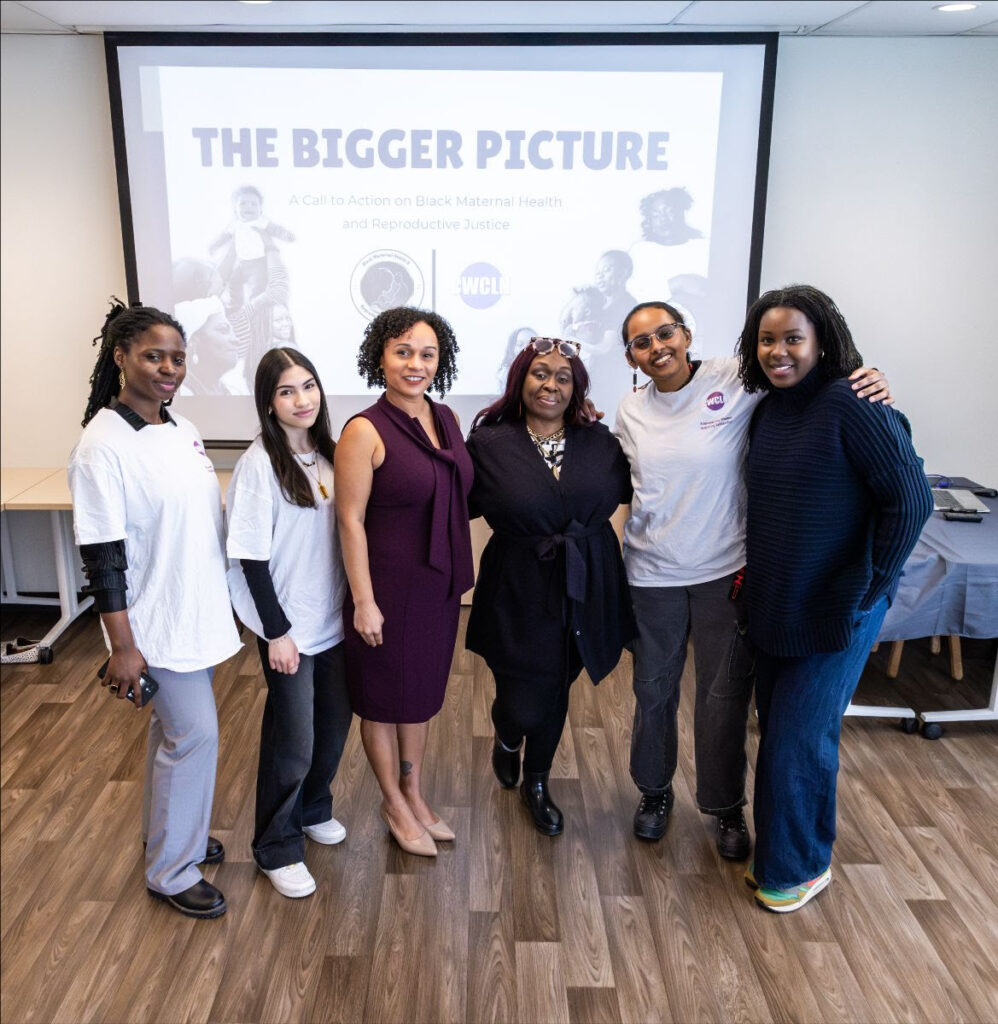
On April 2nd, 2026, the Canadian Women of Colour Leadership Network (CWCLN) convened The Bigger Picture: A Call to Action: Black Maternal Health & Reproductive Justice Conference in Ottawa.
It was the first of its kind — and the room was full.
What unfolded that day was more than a conference. It was a moment of collective truth-telling — one that made clear that Black maternal health is not just a health issue, but a reflection of how systems operate, who they serve, and whose voices are heard.
At its core, this conversation is about equity — and about the right to safe, dignified, and culturally responsive care.
Grounding the Space
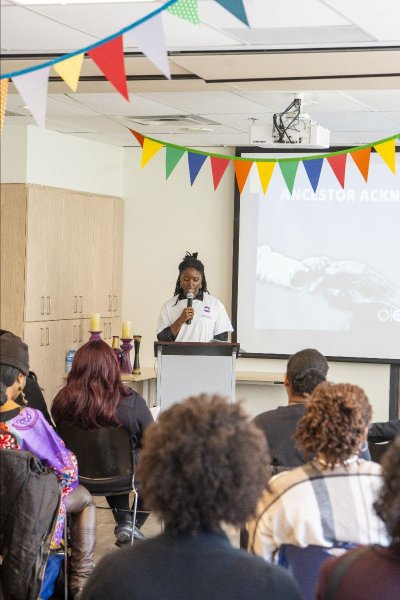
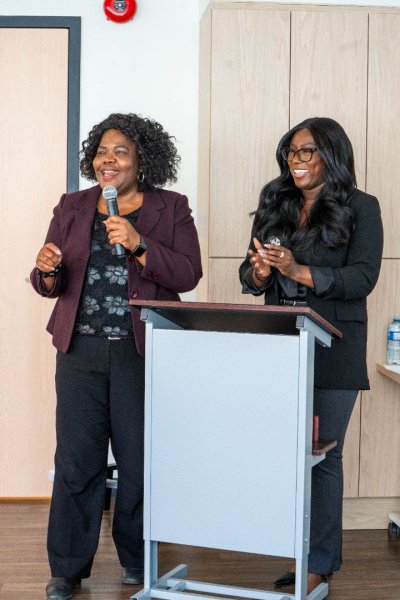
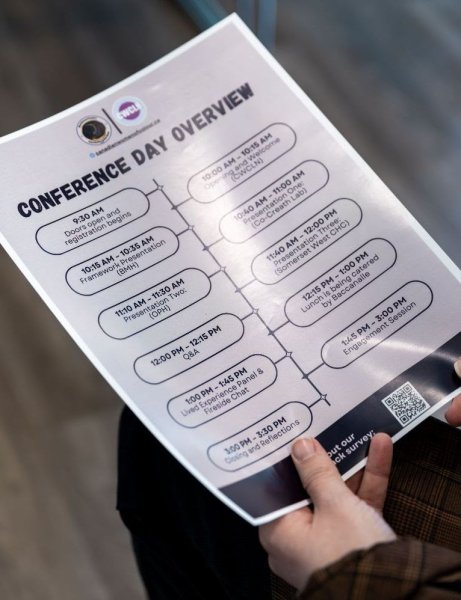
The day opened with a Land and Ancestral Acknowledgement led by Medeatrice Fonyuy, CWCLN’s Logistics and Communications Assistant, whose words grounded the space in history, presence, and responsibility.
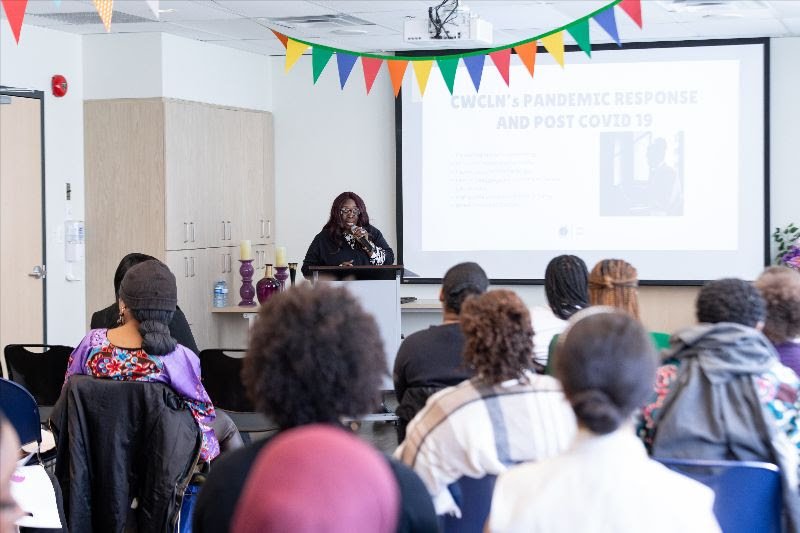
From there, Sophia Jacob, Founder and CEO of CWCLN, set the tone by situating Black Maternal Health and Reproductive Justice within the broader realities of systems change, leadership, and equity.
“Black maternal health is not a niche issue — it is a reflection of how our systems are or are not working.”
This framing carried through the entire day.
From Recognition to Responsibility
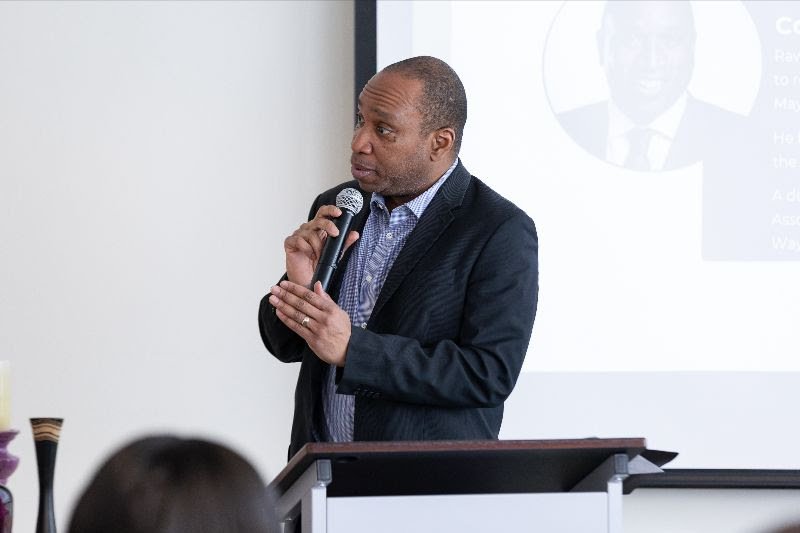
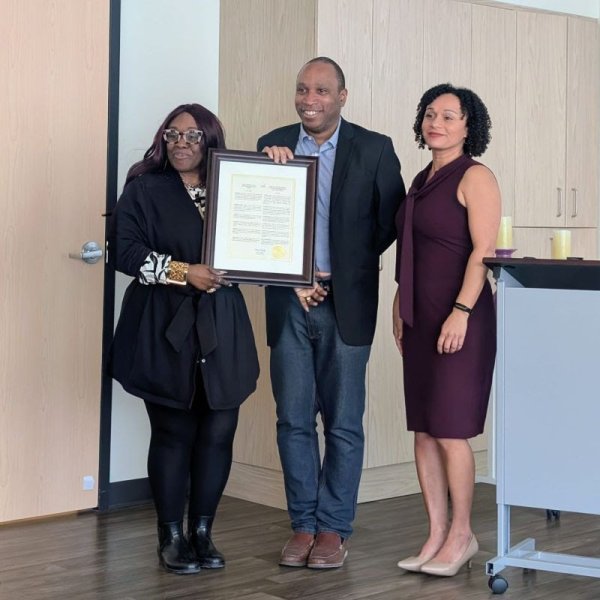
A key moment came with Councillor Rawlson King, who presented the City of Ottawa’s proclamation recognizing April as Black Maternal Health and Reproductive Justice Month. Attendees also viewed the official City Council clip of the motion being passed — a milestone shaped by years of advocacy.
The moment was powerful — not just as recognition, but as a reminder that recognition must be followed by action.
Laying the Foundation for Change
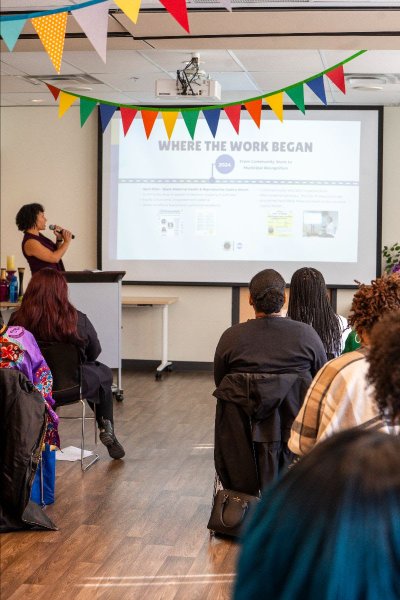
Danielle James, CWCLN’s Engagement and Learning Coordinator for Black Maternal Health & Reproductive Justice, introduced the foundation of CWCLN’s developing framework — a community-led approach grounded in lived experience, peer knowledge, and sustained engagement.
Her presentation anchored the day in the reality that this work has been ongoing for years, and that the framework is being built not from theory, but from community voice.
Bringing Systems, Research, and Community Together
The morning conversations brought together a range of perspectives that bridged research, policy, and frontline experience.
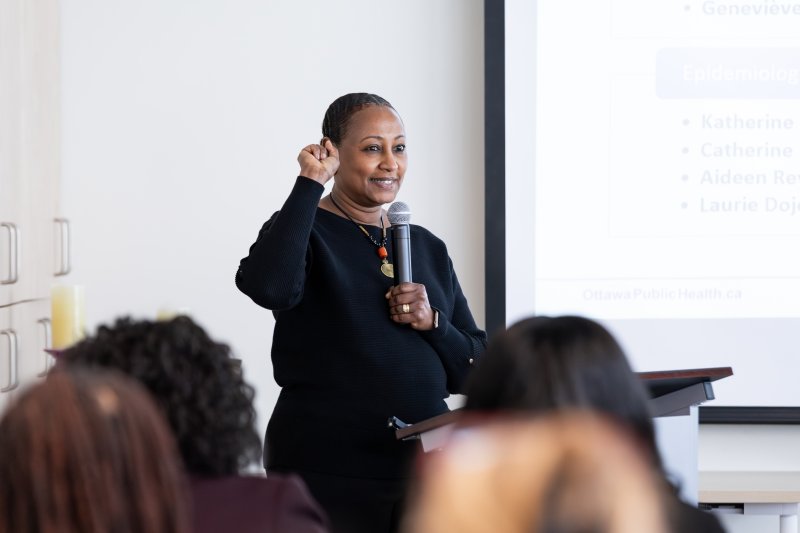
From the Co-CreatH Lab at the University of Ottawa, Dr. Josephine Etowa, Canada Research Chair in Advancing Black Women’s Health, alongside Dr. Michelle Sraha-Yeboah, Postdoctoral Fellow, spoke to the realities of perinatal mental health, systemic inequities, and the ongoing impacts of anti-Black racism in healthcare systems. Their work underscored the need for research that reflects lived realities and informs meaningful change.
From a public health lens, Amira Ali of Ottawa Public Health highlighted the role of sociodemographic and race-based data in improving health outcomes, while also naming the importance of building trust between institutions and communities.
From a community health systems perspective, Amoy Jacques of Somerset West Community Health Centre, spoke to advancing Black maternal health through Ontario’s Black Health Plan, emphasizing wraparound supports, community-based care, and cross-sector collaboration.
Joining her in that conversation, Jessica Johnson, Founder of Rooted Birthwork Collective, briefly shared the work of her organization — highlighting the importance of culturally responsive doula care and community-rooted perinatal support for Black families.
Together, these speakers made clear that while gaps remain, including obstetric racism, lack of culturally safe care, and absence of disaggregated data solutions are already being developed within both community and research spaces.
Centering Lived Experience
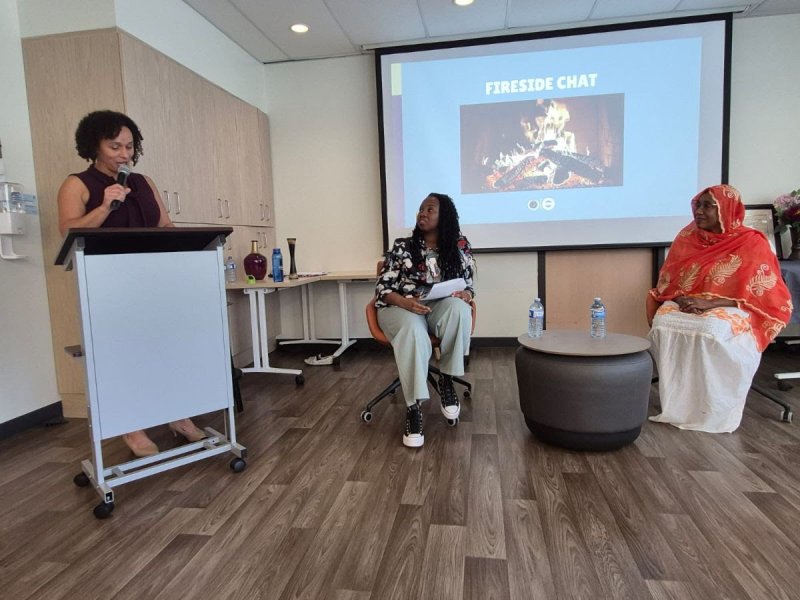
In the afternoon, the conversation shifted into lived experience through a fireside chat featuring Kaywana Edwards, Registered Nurse and Mental Health Clinician, and Haoua Inoua, Manager of Education and Prevention at the AIDS Committee of Ottawa.
Their reflections brought depth and immediacy to the conversation — sharing what it means to navigate systems that can feel inaccessible or dismissive, and the emotional labour required to advocate for care.
These were not abstract conversations — they were lived realities.
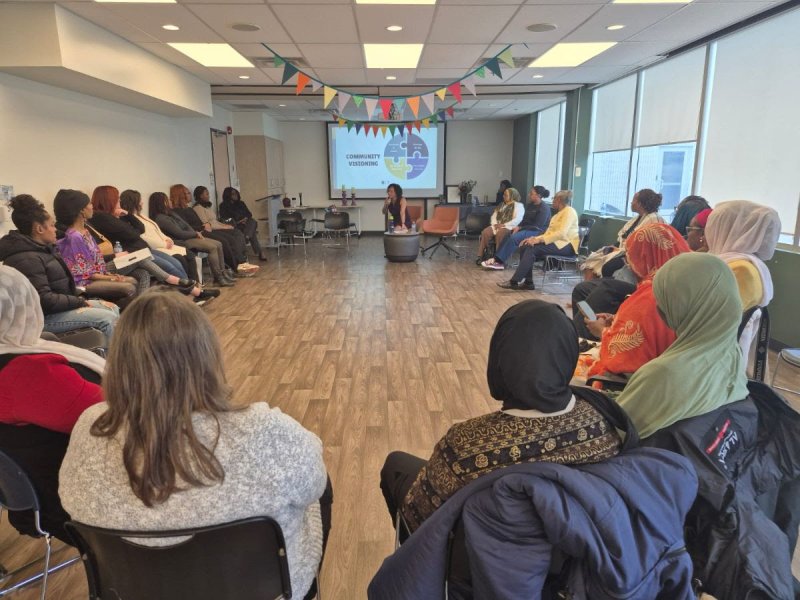
What Was Heard When We Sat in Circle
The day closed in a sister circle, a space for reflection, truth, and collective voice.
At the center stood the Baobab tree, the tree of life symbolizing strength, ancestry, and deeply rooted knowledge.
Participants spoke openly about:
- Barriers to accessing care and basic needs
- The challenges of navigating increasingly digital systems
- Experiences of bias, dismissal, and lack of autonomy in healthcare
- The burden placed on Black women to advocate for their own care
- The absence of safe, culturally grounded spaces for mental health
At the same time, there was clarity about what is needed.
Participants emphasized the importance of:
- Community-based, culturally grounded care
- Accessible and human-centered systems navigation
- Education and awareness about health and rights
- Intergenerational dialogue and support
And throughout it all, one truth remained:
These are not just statistics — they are lived experiences.
Where This Work Is Going
This gathering is part of a broader, ongoing effort.
Insights from the conference will directly inform CWCLN’s Black Maternal Health and Reproductive Justice Framework, a community-led roadmap for advocacy, care, and systems change.
But beyond that, the day reinforced something deeper:
The knowledge needed to improve systems already exists within the community.
The question now is whether systems are ready to listen, and to act.
A Collective Responsibility
Black maternal health is not a niche issue. It is a reflection of how care is delivered, how systems function, and how equity is realized in practice.
Addressing it requires more than acknowledgment. It requires action, accountability, and sustained commitment.
And as this gathering made clear: This work is already underway.
More information about CWCLN’s work can be found on their website: https://canadianwomenofcolour.ca/black-maternal-health-and-reproductive-justice-canada/