

Cultural Continuities and Divergences: Reflections on Black Identity in Canada and Beyond
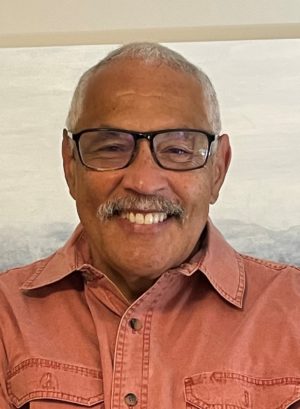
by Cal Lawrence
Wednesday 22 October 2025
Introduction
The assertion that “the only difference between me as a seventh-generation Black Canadian and the culture of other people in this photo is where the slave ship stopped” encapsulates a poignant truth about the shared heritage and struggles of Black individuals across the globe. This statement invites a deeper examination of the historical trajectories that have shaped Black identities in various contexts, particularly in Canada. Despite geographical differences, the legacies of slavery, colonialism, and systemic racism create a common thread that connects diverse Black experiences while also allowing for unique cultural expressions.
Historical Context:
The transatlantic slave trade forcibly uprooted millions of Africans, scattering them across different parts of the world, including North America, the Caribbean, and South America. In Canada, the history of Black people dates back to the arrival of enslaved Africans in the 17th century, continuing through the era of slavery and into the struggles for civil rights. The statement highlights that while the destinations may vary—the United States, the Caribbean, or Canada—the foundational experience of being subjected to slavery and its aftermath binds individuals together in a shared narrative of resilience and survival.
Cultural Continuity:
Despite the distinct cultural expressions that have emerged in different regions, there exists a profound cultural continuity rooted in ancestral heritage. Elements such as music, storytelling, spirituality, and communal values have transcended borders, echoing the experiences of African ancestors. For instance, the influence of African rhythms can be seen in various musical genres across the diaspora, from jazz and blues in the United States to reggae and hip-hop in the Caribbean. In Canada, the development of unique forms like “soca” and “calypso” music reflects both the African roots and the localized experiences of Black Canadians.
Diverging Cultural Expressions:
While cultural continuities are evident, the assertion also acknowledges the unique cultural expressions that arise from particular historical and social contexts. The experiences of Black Canadians differ from those of Black Americans or Caribbean populations due to factors such as immigration patterns, social policies, and the historical context of slavery in each region. For instance, the Canadian narrative of multiculturalism and the absence of a formalized system of segregation has contributed to a different cultural landscape for Black Canadians, who have often navigated a distinct path in their quest for identity and belonging.
**The Impact of Systemic Racism:
Regardless of the specific cultural expressions, systemic racism remains a common challenge faced by Black individuals globally. The enduring impact of colonialism, discrimination, and socio-economic disparities manifests in various ways, influencing access to education, employment, and healthcare. The struggle against these systemic barriers creates a shared sense of purpose and activism among Black communities, whether in Canada or elsewhere. The statement serves as a reminder of the collective fight for justice and equality, emphasizing the need for unity among diverse Black identities.
Therefore stop the lateral violence in the nine major areas of people activity that we work through on a daily basis. (Economics, education, entertainment labor, law, politics, religion, sex, and war).
Conclusion:
The statement “the only difference between me as a seventh-generation Black Canadian and the culture of other people in this photo is where the slave ship stopped” poignantly encapsulates the shared history and struggles of Black individuals across the diaspora. While geographical and cultural differences exist, the foundational experiences of trauma, resilience, and cultural continuity bind these diverse identities together. Recognizing both the commonalities and the unique expressions of Black culture is crucial for fostering understanding, solidarity, and collective action in the ongoing pursuit of justice and equality. Embracing this duality allows for a richer appreciation of the complexity of Black identities and the powerful legacy they carry forward.
A house divided will not stand therefore minimize the conflict. Wear T-shirts and hats with this on it minimize the conflict.!
About the writer
Calvin Lawrence retired in 2006 from the Royal Canadian Mounted Police (RCMP) after twenty-eight years, and eight and half years with Halifax City Police. He was recognized as one of Nova Scotia’s outstanding citizens in Steve Kimber’s book: “More Than Just Folks”, 1998. He is currently a consultant on police-related subjects. He is the author of “Black Cop”.