
Friday 19 June 2026
Black Youth Court Navigation program: Knowledge as Protection – Helping Black Youth Understand Their Rights
by Ijeoma Ukazu, Local Journalism Initiative Reporter
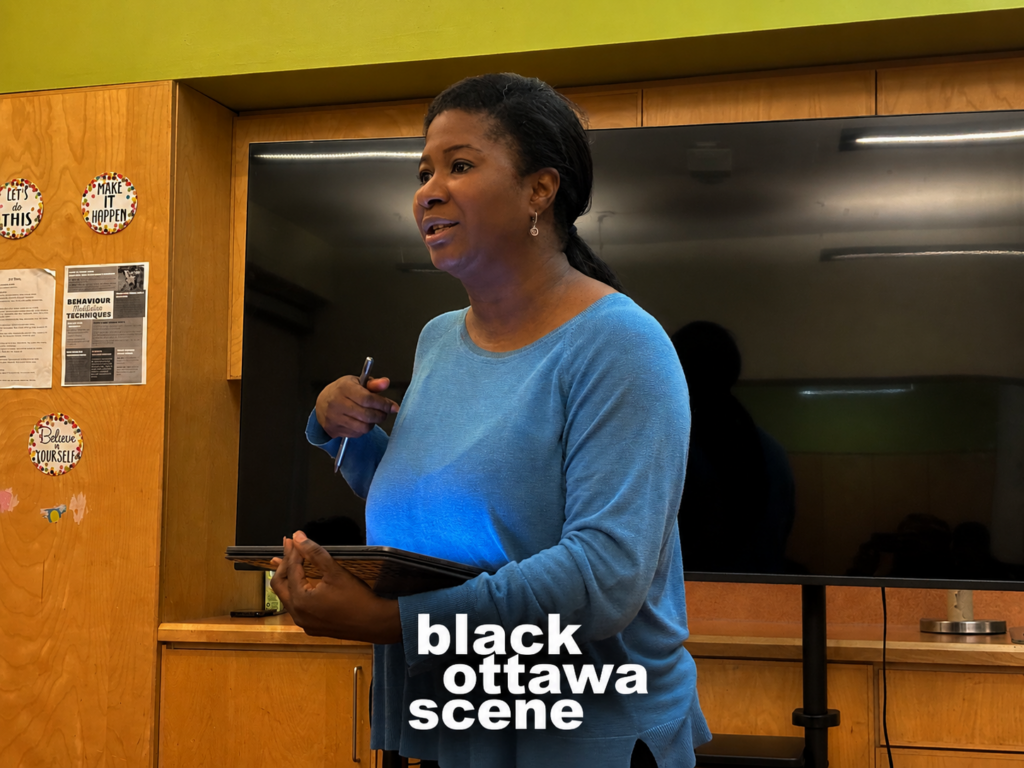
Addressing a group of young people gathered for a two-day workshop on the Canadian justice system, Ketcia Peters, Chief Executive Officer of Roots and Culture, guided participants through what happens when a young person comes into contact with the legal system. The sessions explored topics ranging from police interactions and court appearances to diversion programs and available community supports.
“We make these conversations relevant by being honest and transparent,” Peters said. “We acknowledge that the justice system is not always fair to every group or community. We want young people to understand what the process looks like, including the different stages involved and what professional conduct should look like.”
Peters, a former community co-chair of the Ottawa Police Community Equity Council, said the workshops are designed to help youth recognize whether their rights and dignity are being respected by police officers, court officials, and other authority figures.
According to the Department of Justice Canada, Black adults aged 18 and older represented about 5 percent of Ontario’s adult population in 2020–21 but accounted for 14 percent of custody admissions and 8 percent of community correctional service admissions. Black men accounted for 15 percent of male custody admissions and 9 percent of community admissions, while Black women accounted for 8 percent and 5 percent, respectively.
The focus on legal literacy comes amid ongoing concerns about the experiences of Black youth within Canada’s justice system. Federal data continues to show that Black youth are disproportionately represented in correctional services, compared with their share of the overall youth population, raising concerns about systemic inequities and unequal outcomes.
The two-day workshop, held on June 18 and 19 at the Albion-Heatherington Community Centre in Ottawa, focused on three key themes: understanding the justice system, knowing legal rights, and making informed decisions.
For many Black youths, the sessions provided an opportunity to ask questions and learn how to navigate the justice system, while supporting the program’s goal of helping young people protect themselves without experiencing unnecessary stress, mental health challenges, or justice-related trauma, Peters said.
Participants were encouraged to identify trusted adults in their lives—parents, grandparents, teachers, mentors, aunts, or uncles, who could provide guidance if they ever become involved with the justice system.
“Having a support plan in place can help them achieve a more positive outcome,” Peters said.
The workshops also challenged common assumptions about youth behaviour and accountability, with Peters emphasizing that “making a mistake does not automatically mean a young person deserves harsh punishment”, because young people are still developing and “should not have to face lifelong consequences for mistakes made at a young age,” particularly as Black youth often experience harsher outcomes than others for similar behaviour.
That disparity is one reason community organizations continue expanding support services for Black youth and their families.
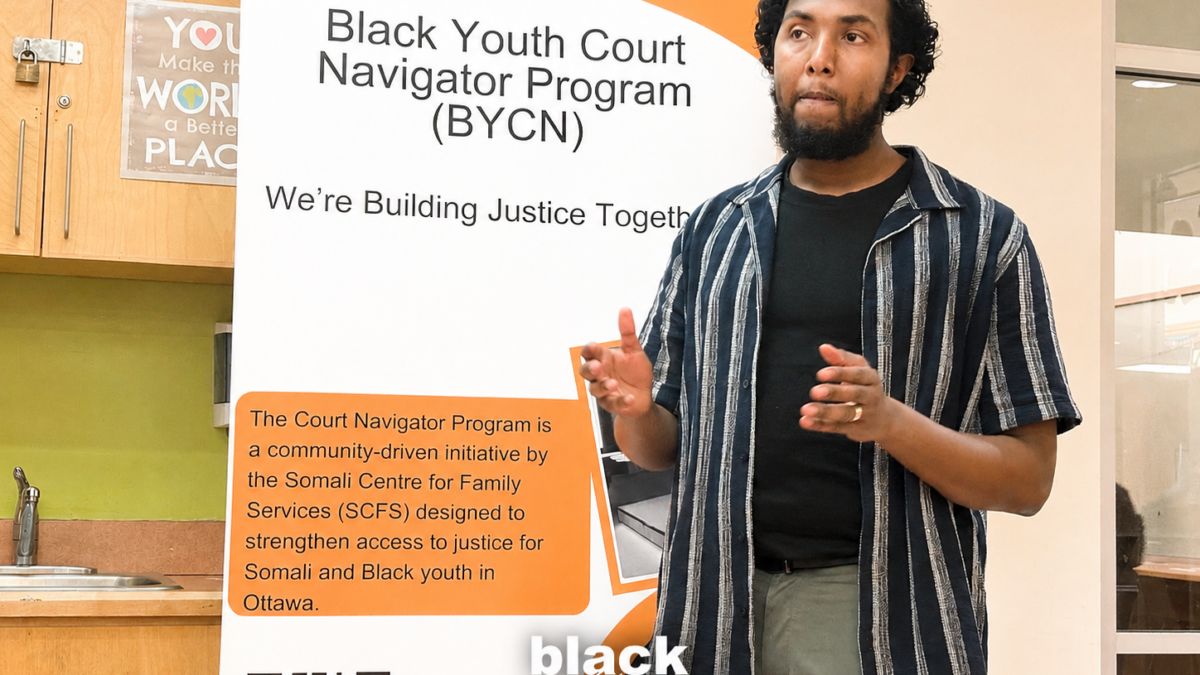
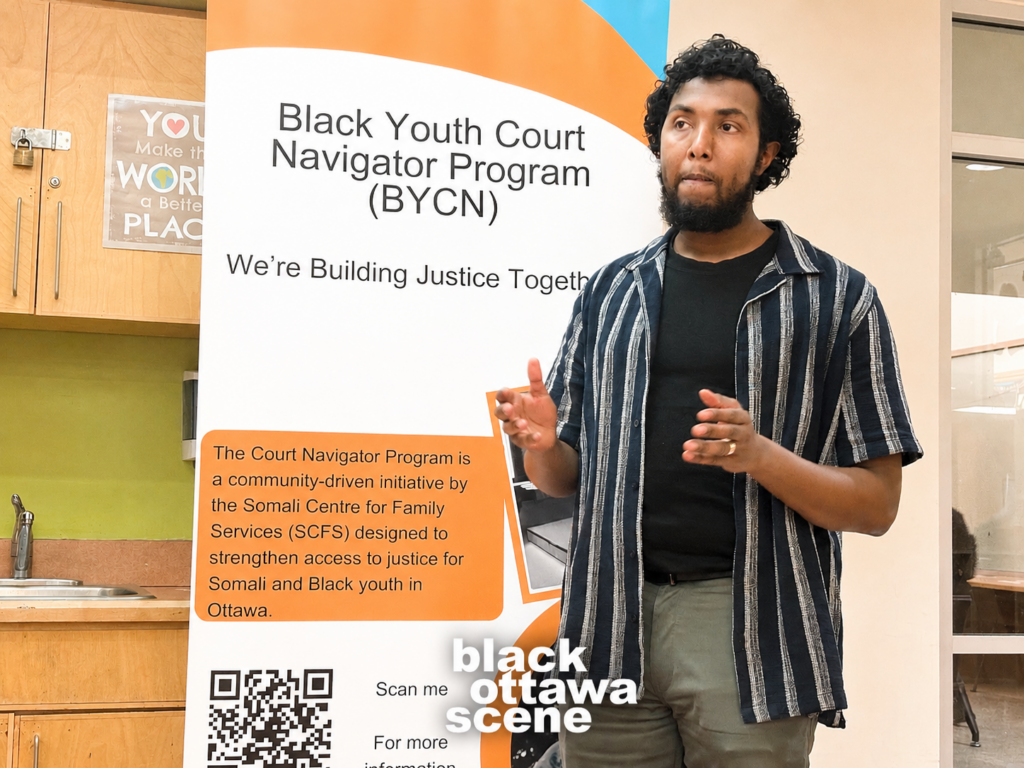
Gulled Saleban, Project Supervisor of the Black Youth Court Navigator Program (BYCN), works directly with at-risk youth and their families. He said the program serves youth between the ages of 12 and 17 and is built around three pillars: court navigation, diversion programming, and prevention initiatives.
Saleban said the court navigation component helps families understand legal procedures, access legal aid services, and connect with lawyers.
“We’re at the courthouse helping families with active cases,” Saleban said. “The goal is to help them understand the process and provide the tools young people need to be successful.”
He said BYCN also operates diversion programs that offer alternatives to formal court proceedings by connecting youth with structured supports designed to address the underlying causes of their behaviour.
Beyond supporting youth already involved in the justice system, Saleban said the organization delivers school workshops and community sessions to educate young people about their rights before they encounter legal challenges.
He emphasized that community engagement remains critical, particularly given the disproportionate rates at which Black youth come into contact with the justice system.
Saleban added that a pilot collaboration is underway to expand services for Black youth across Ottawa through referrals and partnerships with other community organizations.
Mental health support remains a critical part of the discussion.
At the Somali Centre for Family Services, Program Coordinator Salma Dirie oversees Wanaag, a wellness initiative whose name means “wellness” in Somali.
Dirie said interactions with police and the justice system can leave lasting psychological effects, particularly when young people lack the resources and coping strategies needed to process those experiences.
“The impact of these systemic issues takes a significant toll on mental health, especially for young people who lack access to proper services,” she said.
She said Wanaag provides free, ongoing therapy in a judgment-free setting that allows participants to develop trusting relationships with clinicians.
Dirie emphasized the importance of culturally responsive care, noting that young people are often more comfortable opening up when they see therapists who understand their lived experiences and cultural backgrounds.
“Having therapists who look like and understand the client’s culture is essential for building trust and comfort,” she said.
For Peters, the workshops are ultimately about empowerment rather than fear. Young people, she said, deserve opportunities to learn from their mistakes without carrying those experiences for the rest of their lives.
“Being young means making mistakes and learning from them,” Peters said. “Those mistakes should not define the rest of a person’s life or become a lifelong sentence.”