Saturday 18 July 2026
Asa Day 2026 Celebrates Yoruba Culture in Ottawa
By Obasola Bamigbola, Local Journalism Initiative Reporter
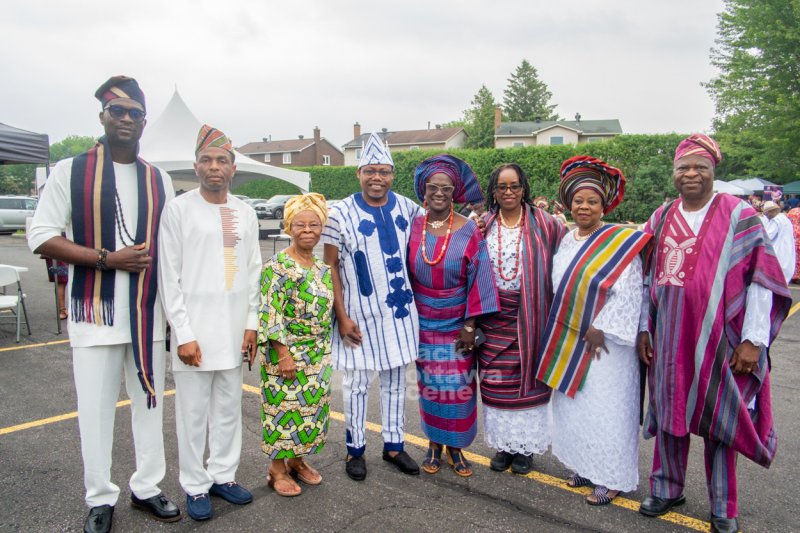
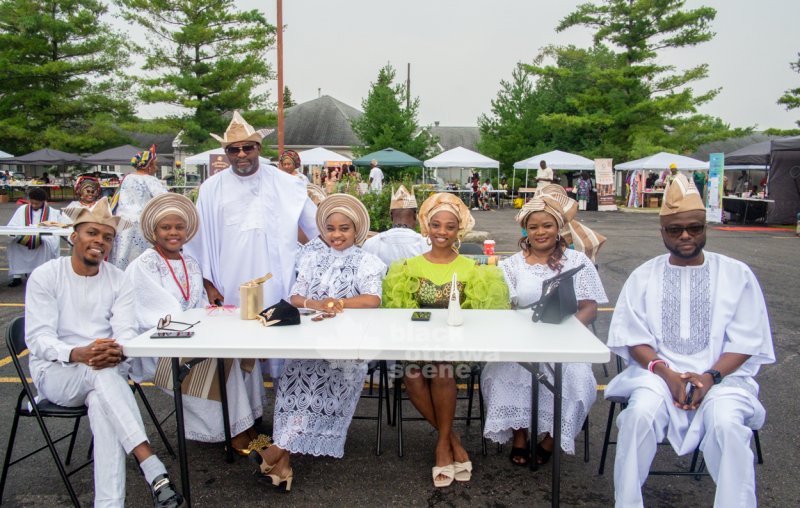
Yoruba culture filled the open space of Trinity Hall in Orléans on Saturday, July 18, 2026, as Isokan Yoruba Ottawa hosted Asa Day 2026, a cultural celebration of Yoruba heritage through food, music, art and performance.
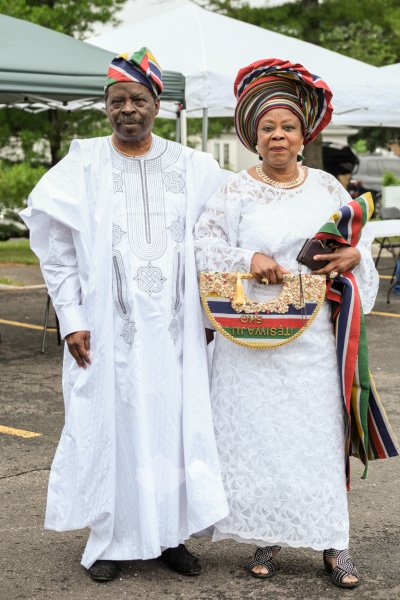
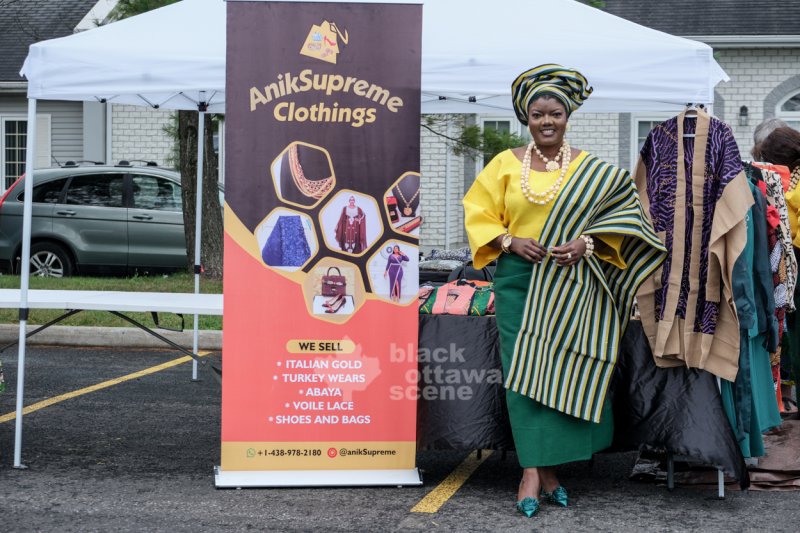
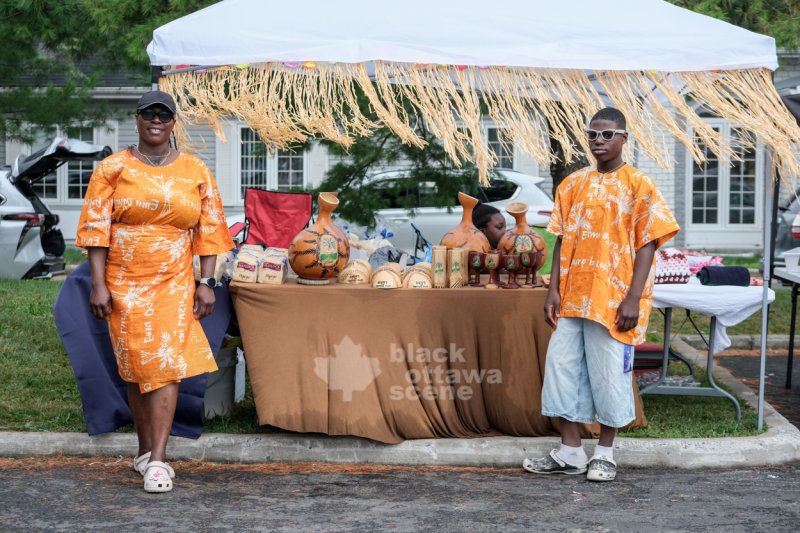
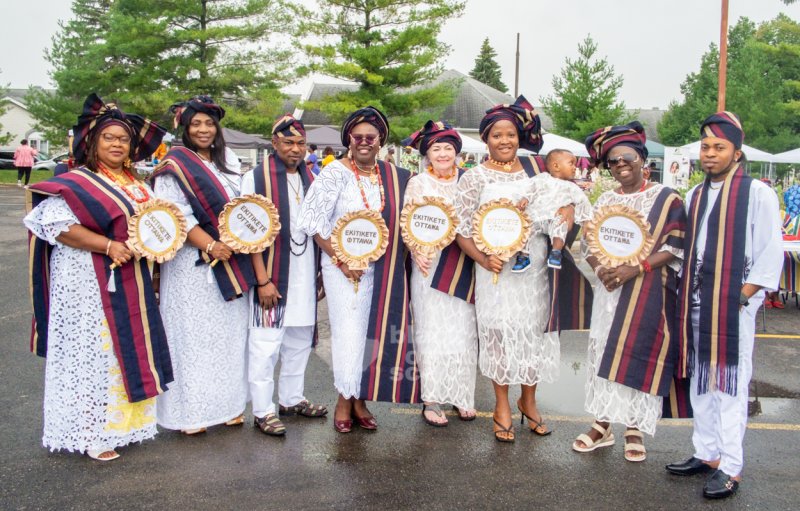
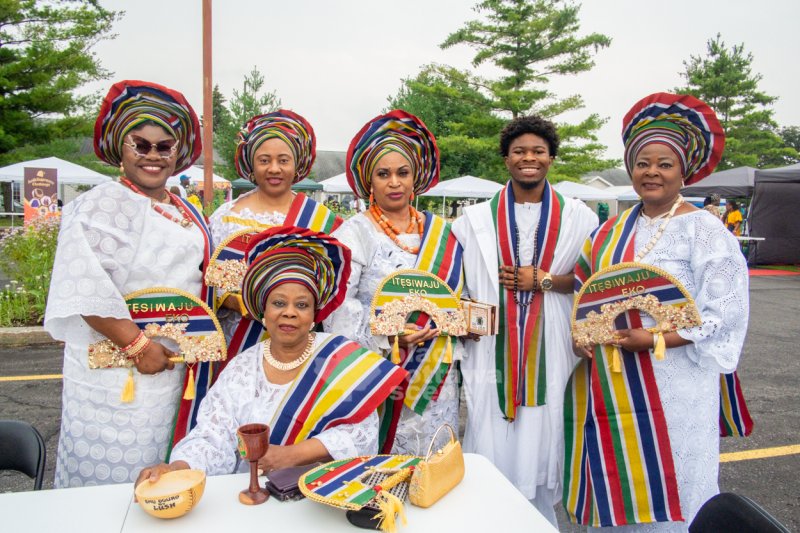
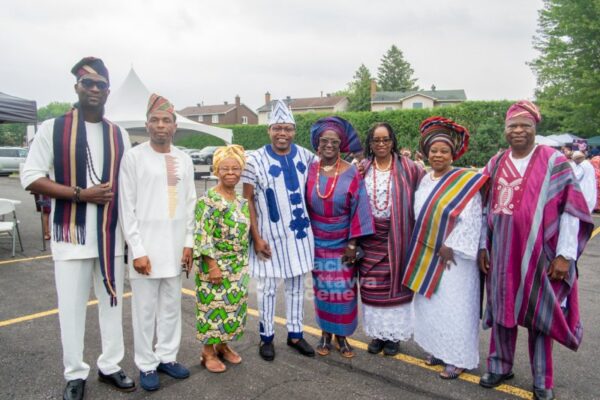
The event brought together members of the Yoruba community and guests from across the Ottawa region for a day of cultural expression. With traditional attire, food vendors, artistic displays, live performances, and representations of different Yoruba communities from Nigeria, the celebration offered a lively reminder that cultural identity can travel across borders while remaining deeply rooted in tradition.
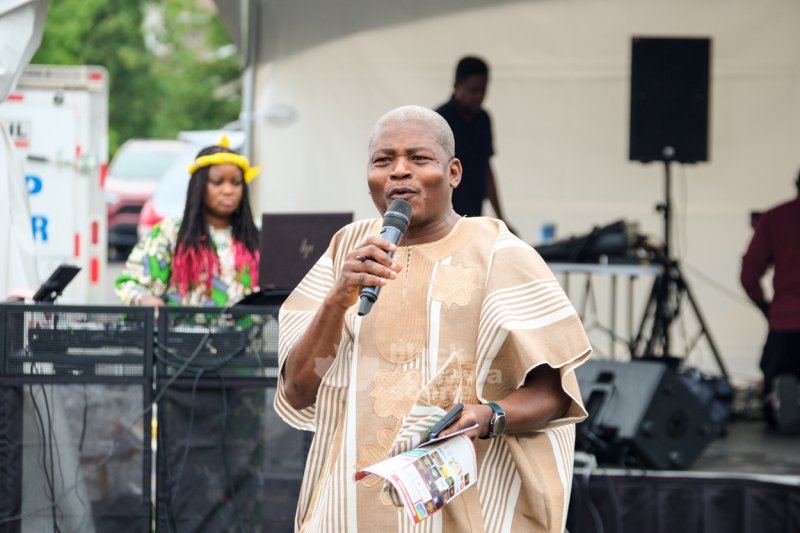
Guests arrived, exploring the vendors before the formal program began. The master of ceremonies introduced the vendors, acknowledging the individuals and organizations that helped bring the celebration to life.
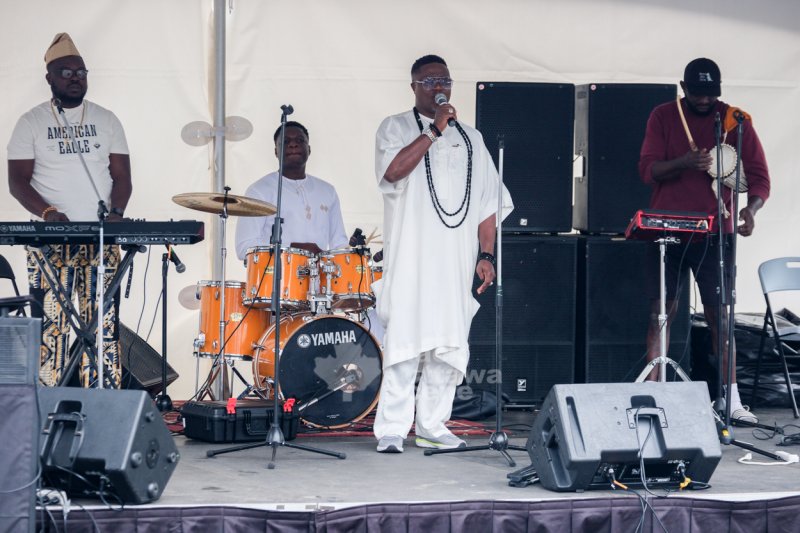
The program opened with a live performance by Ottawa-based musician Chelsea Bobo and the Classic Band, whose music created a welcoming atmosphere.
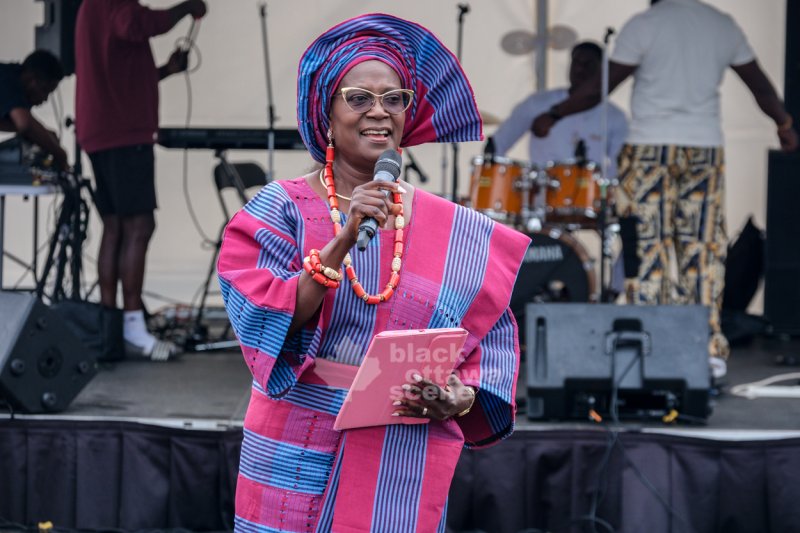
In her welcome address, Dr. Nike Oyetoran, President of Isokan Yoruba Ottawa, welcomed members of the association and guests while reflecting on the global influence of Yoruba culture. She spoke about the importance of maintaining cultural knowledge and traditions, particularly among Yoruba people living outside Nigeria.
For many in attendance, Asa Day served as an opportunity not only to celebrate culture but also to pass it on to younger generations.
One of the highlights of the event was a staged traditional Yoruba marriage ceremony. Led by marriage ceremony directors known as Alaga Iduro and Alaga Ijoko, the presentation introduced the audience to the customs, symbolism, humour, negotiation, and family participation that form part of a traditional Yoruba wedding.
The ceremony directors emphasized the importance of the traditional marriage ceremony within Yoruba culture, noting that it remains a significant part of the wedding process despite the influence of Western practices on contemporary marriages.
Traditional music and dance took centre stage during a cultural presentation featuring drumming and dance. The rhythms drew the attention of the audience and connected the celebration to Yoruba musical traditions with deep historical and cultural significance.
One of the most colourful moments of the day was the parade featuring representatives of different Yoruba states from Nigeria. Dressed in traditional clothing, participants brought the diversity of Yoruba identity to life.
As the formal program drew to a close, the celebration continued with music and dancing. Guests filled the space, moving to the rhythm of contemporary and traditional sounds while enjoying the food and company of friends, family, and fellow community members.
For Isokan Yoruba Ottawa, Asa Day 2026 was more than a cultural celebration. It was an opportunity to create a space where tradition could be seen, heard, tasted, performed, and shared.
In a multicultural city like Ottawa, events such as Asa Day provide important opportunities for communities to maintain cultural connections while introducing their heritage to a wider audience.