Thursday 15 October 2026
CWCLN celebrates five years of peer support, honours community care champions
By Ijeoma Ukazu, Local Journalism Initiative Reporter
The Canadian Women of Colour Leadership Network (CWCLN) marked five years of peer support work in Ottawa on Oct. 15, celebrating community care advocates while calling for more accessible and inclusive mental health services for marginalized communities.
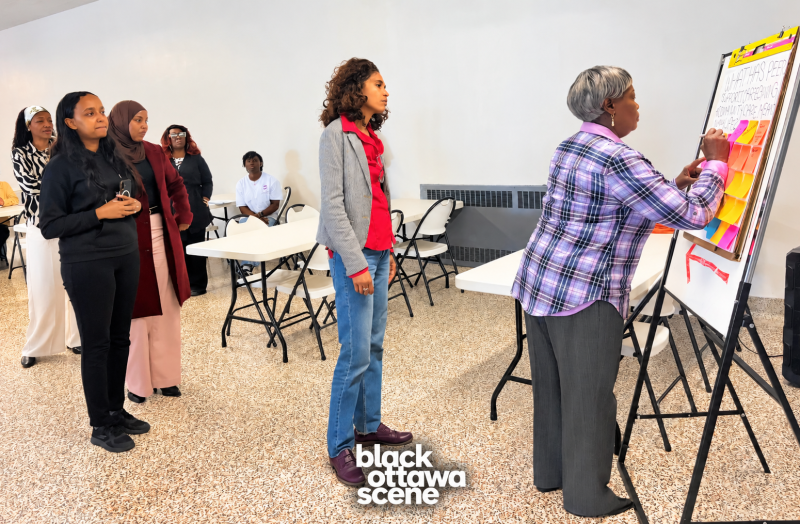
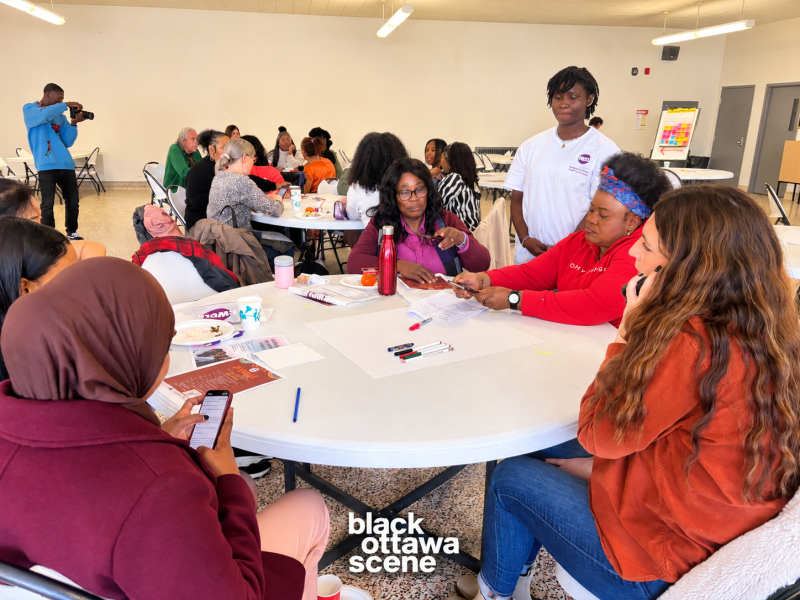
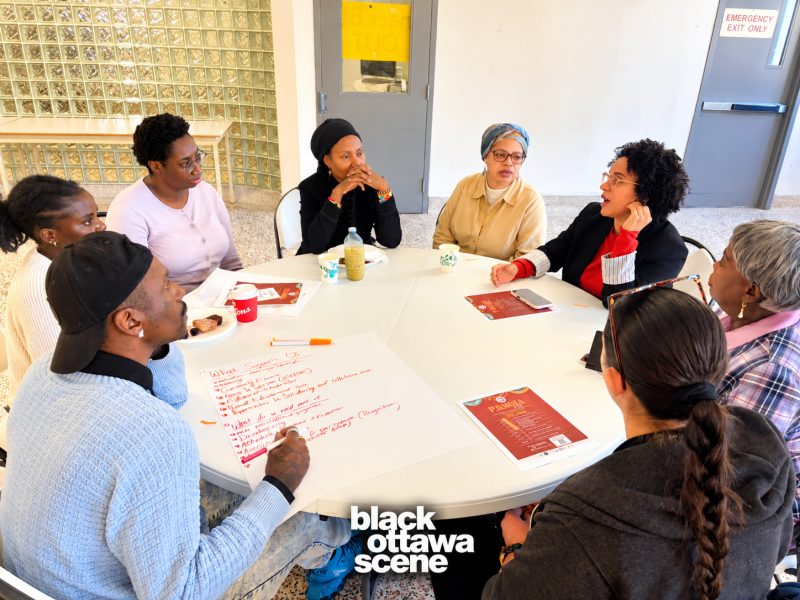
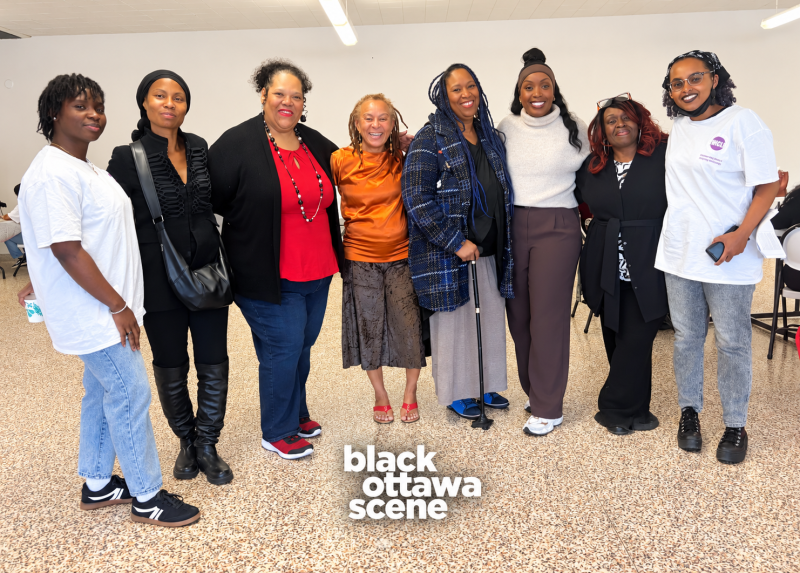
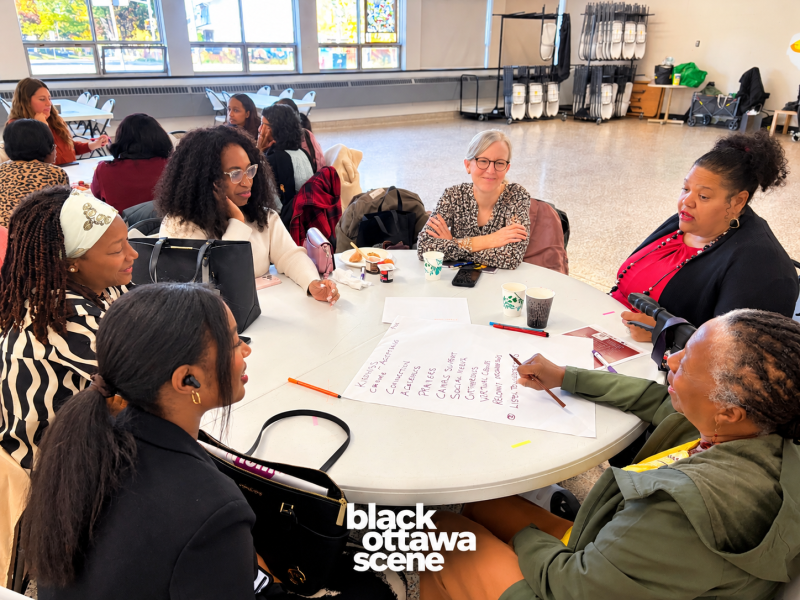
The gathering, held at the Rideau Community Hub in St. Laurent, brought together peer support workers, caregivers, community members and municipal representatives to reflect on the role of shared experiences in healing and discuss ways to strengthen community-based support.
Sophia Jacob, founder of CWCLN, said the network had connected with community members and trained close to 100 peer support facilitators and workers across three cohorts since launching its initiative in 2021.
She said the program was developed to address gaps in mental health and well-being support for marginalized communities by creating spaces where people can draw on their lived experiences to support one another.
“Peer support refers to community-based circles led by peers, focused on healing,” Jacob said, describing the approach as accessible, trauma-informed and grounded in the experiences of people who have faced similar challenges.
Jacob said peer support promotes relationships built on equality rather than hierarchy, allowing participants to share their experiences, learn from one another and develop mutual understanding.
She added that formal academic qualifications are not necessarily required to become a peer supporter because lived experience can be a valuable resource in helping others. The network provides training to equip participants with the skills to facilitate groups in organizations, schools and other community settings.
Jacob also highlighted the often-unrecognized contribution of caregivers, particularly Black and Brown women, who frequently shoulder unpaid emotional labour while caring for their families and wider communities.
She urged participants to recognize caregivers whose work often goes unnoticed, including those unable to attend the gathering.
The initiative’s name, Pamoja, is a Swahili word meaning “together,” reflecting its emphasis on shared experiences and mutual learning. CWCLN is also exploring system navigation support to help community members overcome barriers to accessing care.
Coun. Rawlson King, who represents Ward 13, Rideau-Rockcliffe, emphasized that communities should play a central role in shaping solutions to the challenges they face.
“We need to have more models that are, you know, bottom up rather than top down,” King said, urging public institutions to listen to residents and translate their recommendations into action.
He cited Ottawa’s anti-racism initiatives as an example of community input influencing public policy. King recalled a gathering several years ago where more than 150 people shared ideas for a municipal anti-racism strategy and the creation of an anti-racism office.
He said the discussions contributed to subsequent developments, including the city’s equity office and its five-year anti-racism strategy introduced in 2022.
King said community consultations could generate ideas that governments could adapt to other neighbourhoods and initiatives, emphasizing the importance of listening to residents when developing policies intended to improve their quality of life.
Participants also discussed barriers that prevent people from accessing peer support services.
Claudia Sendanyoye, a research associate with IDEA-STEM and a CWCLN volunteer, highlighted the need for greater public awareness of available programs and more accessible communication.
She said organizations should consider whether their promotional materials can be read by people using screen readers, whether information is available in different languages and whether interpretation services can be provided.
Sendanyoye also emphasized the importance of offering both virtual and in-person participation options to accommodate people with different circumstances and accessibility needs.
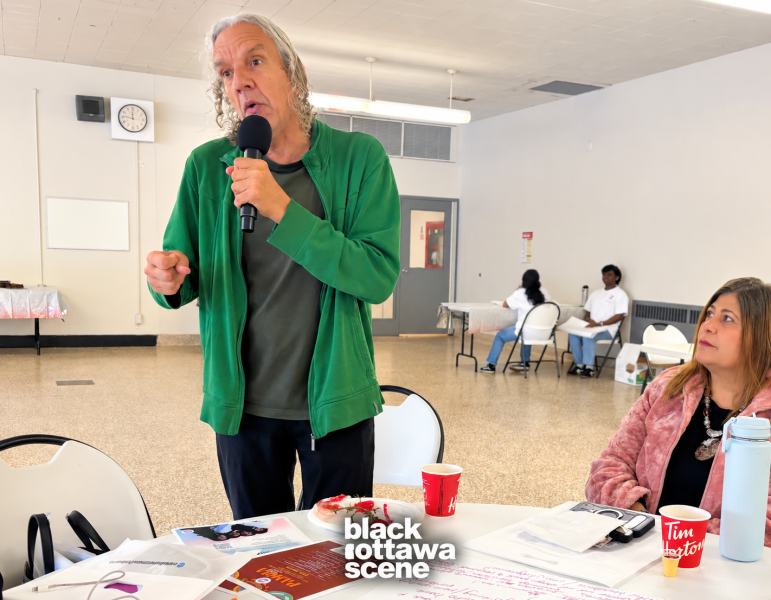
Peter Zanette, founder of Dignity for Diversity, called for greater consideration of alternatives to conventional crisis and medical responses, particularly approaches that are welcoming and responsive to community experiences.
He reminded peer support workers that caring for others also requires attention to their own well-being.
“You are healers. We need, sometimes, to heal,” Zanette said, encouraging workers to make time for themselves and their families.
He stressed the importance of maintaining respectful boundaries and recognizing the limits of what support workers can provide while continuing to assist others.
Zanette highlighted the importance of combining community-led care with efforts to improve accessibility, strengthen outreach and help marginalized residents navigate available services.
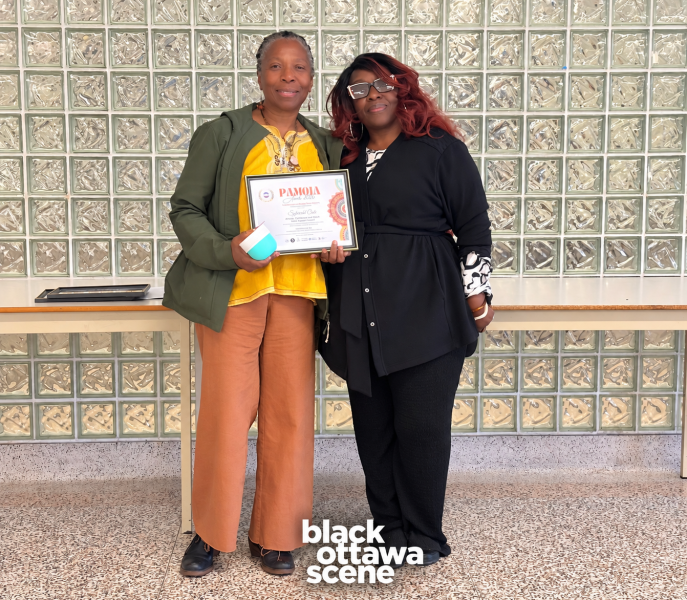
The event concluded with an awards presentation recognizing individuals and organizations for their contributions to peer support and community care. Aya Gadi received the BIPOC Youth Peer Support Award, Claudia Sendanyoye was recognized as Community Change Maker, and Sylmadel Coke received the ACB Peer Support Award. Colours of Mama was honoured as Peer Support Agency.