
Saturday 11 July 2026
GhanaFest Strengthens Cultural Identity and Community Ties in Ottawa
By Ijeoma Ukazu, Local Journalism Initiative Reporter
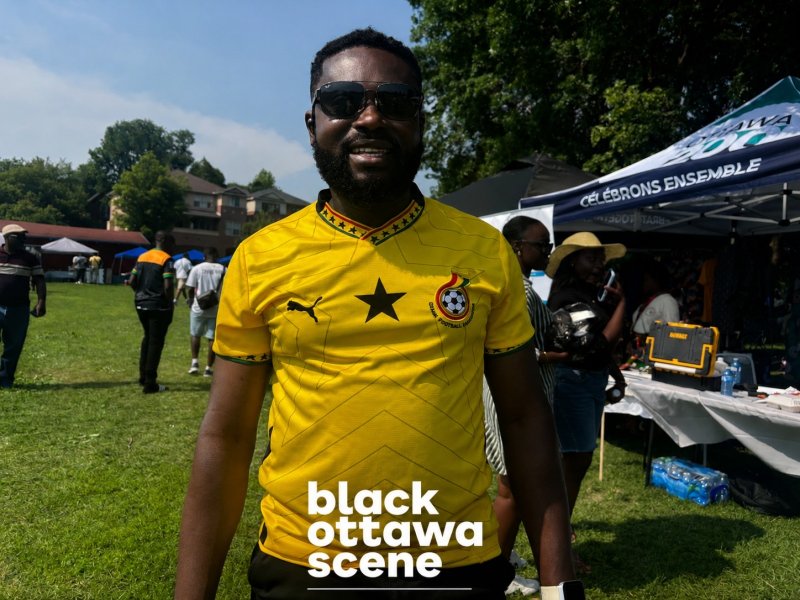
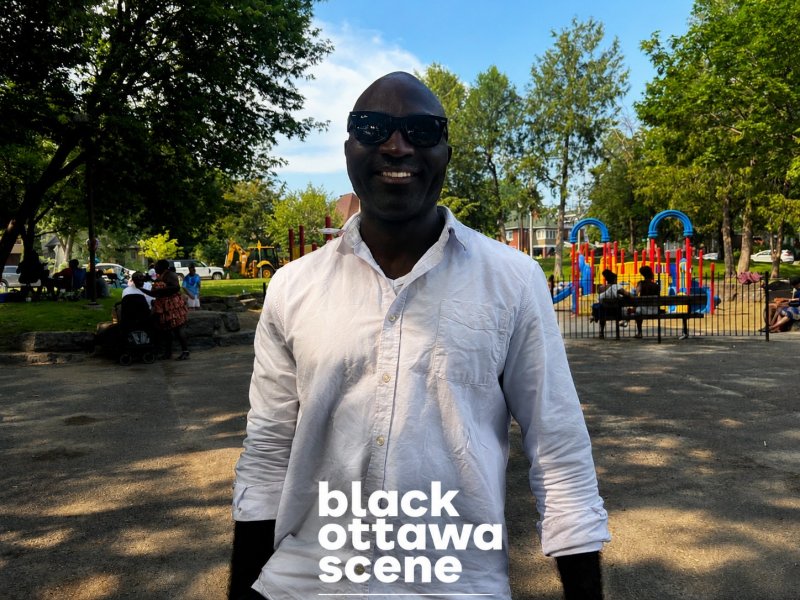
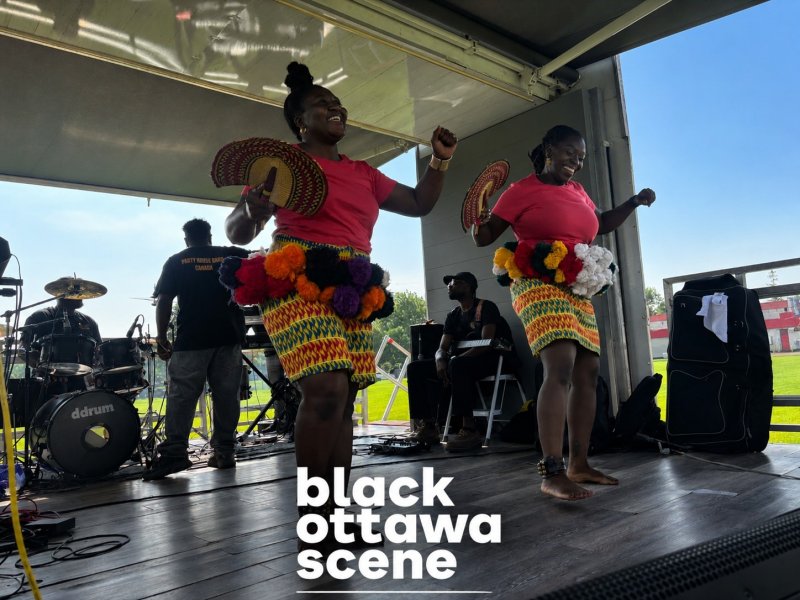
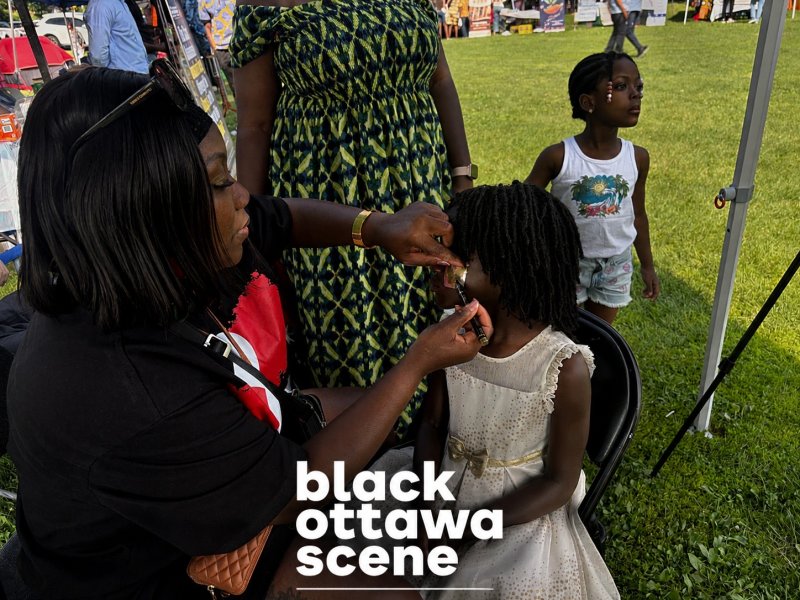
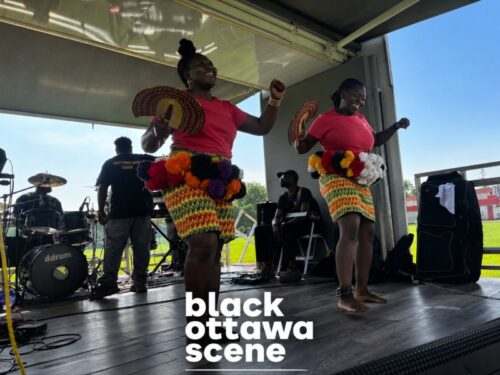
The Ghanaian Association of Ottawa brought hundreds of residents to Brewer Park on July 11 for GhanaFest 2026, an annual celebration of Ghanaian culture that showcased music, dance, fashion, cuisine and local businesses while strengthening cultural identity and community connections in Canada’s capital.
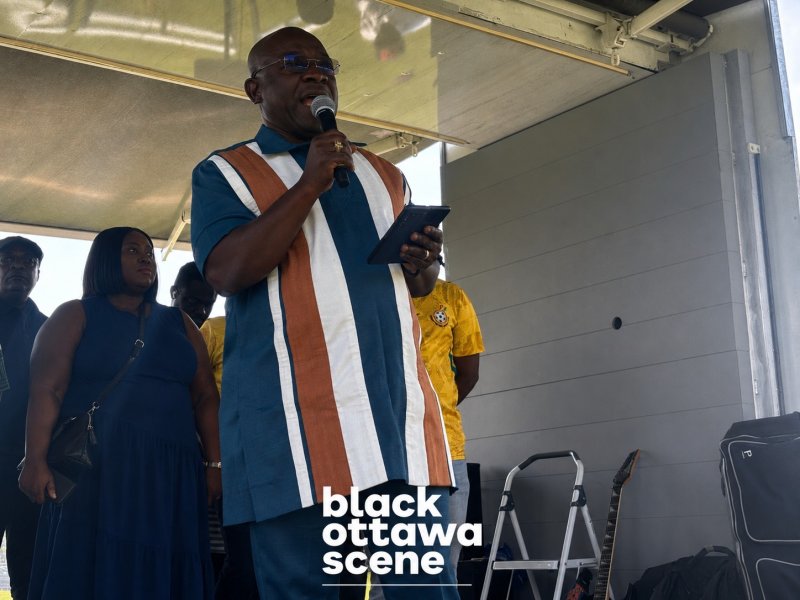
Representing Ghana’s High Commissioner to Canada, Professor Dora Francisca Edu-Buandoh, Deputy High Commissioner of Ghana in Ottawa, General Thomas Oppong-Peprah, said the festival has become one of the capital’s most anticipated cultural events and credited the association with preserving Ghanaian traditions while fostering unity within the diaspora.
“The continual growth of GhanaFest reflects the commitment and leadership of the association,” Oppong-Peprah said. “I commend the executives, planning team, volunteers and partners whose hard work has brought us together today. Your dedication strengthens our community and ensures that our culture remains visible, vibrant and respected.”
He described the festival as more than a cultural celebration, saying it serves as an important platform for preserving Ghanaian identity while creating opportunities for economic empowerment and strengthening ties between Ghana and Canada.
“Our culture does not fade with distance. It travels with us, grows with us and enriches the communities we become part of,” he said. “GhanaFest is a clear expression of this truth.”
As Ghanaians establish new lives abroad, Oppong-Peprah said events such as GhanaFest remind community members of their shared responsibility to support one another, strengthen community organizations and promote businesses that contribute to both Ghana and Canada.
“Our unity is our strength, our culture is our anchor, and our progress depends on how we support one another and continue to build strong links between Ghana and Canada,” he said, urging attendees to leave the festival with a renewed commitment to collaboration, innovation and community service.
For organizers, the annual festival reflects the rapid growth of the Ghanaian community across Ottawa and neighbouring Gatineau.
Peter Affum, president of the Ghanaian Association of Ottawa, said the community has expanded steadily in recent years with the arrival of students, professionals, entrepreneurs and families, creating a greater need for spaces that foster belonging.
“We realized that as the years go by, the Ghanaian community in Ottawa keeps growing,” Affum said. “We saw the need to bring everybody together under one umbrella.”
Having volunteered with the association for seven years before becoming president earlier this year, Affum said the current executive is building on the work of previous leaders while focusing on strengthening community engagement.
“There is always the need for us to come together—to connect with one another, celebrate our food, our culture and our traditions, and support vulnerable members of our community,” he said. “We want every Ghanaian in Ottawa to feel connected and to know they belong to one family.”
Although rooted in Ottawa, organizers envision GhanaFest becoming a destination event that attracts visitors from across Canada.
Affum said this year’s festival welcomed attendees from Montreal, Toronto, Calgary and Gatineau, demonstrating its growing national appeal.
“We want to see GhanaFest go beyond Ottawa,” he said. “We’ve already seen people travelling from different parts of Canada, and we want the next generation of leaders to inherit something even stronger than what we have today.”
He added that community feedback remains central to improving the event each year.
“It is the community that measures our success,” Affum said. “We listen carefully to what people tell us so we can continue improving and serving them better.”
Richard Abakah-Akumah, director of programs and events for the association, said this year’s theme reflects both Canada’s multicultural identity and the association’s vision of creating a more inclusive celebration.
“Canada allows people to celebrate their cultures while respecting Canadian values,” Abakah-Akumah said. “We intentionally opened the festival to embrace greater diversity. We have not only Ghanaian vendors and participants but also people from many different cultural backgrounds.”
One of the association’s priorities, he said, is reaching Ghanaians who have not yet connected with the broader community.
“We want them to know there is a family here that cares for them, provides opportunities and supports them,” Abakah-Akumah said.
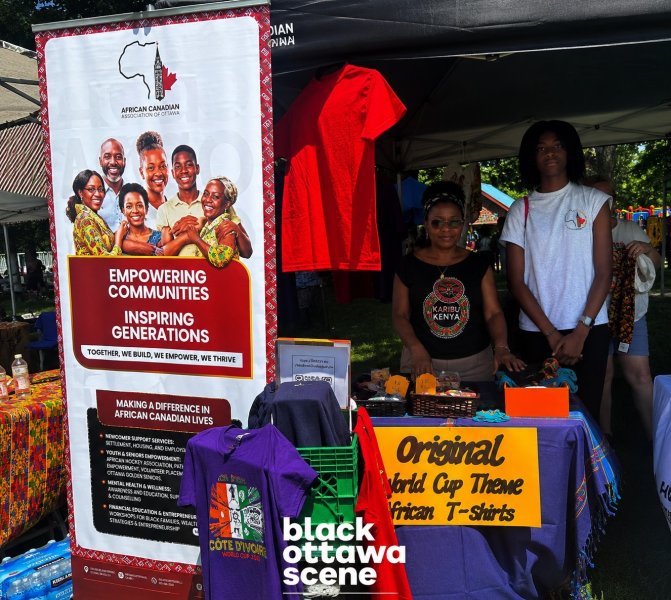
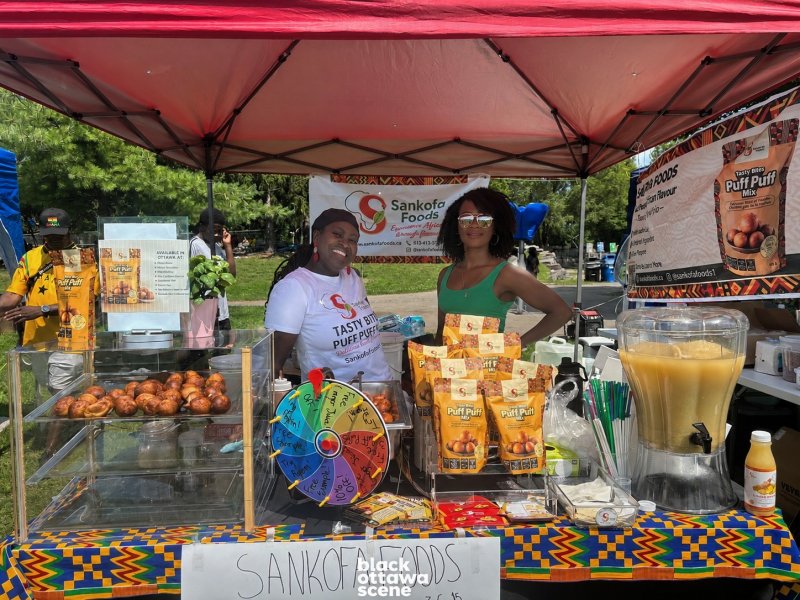
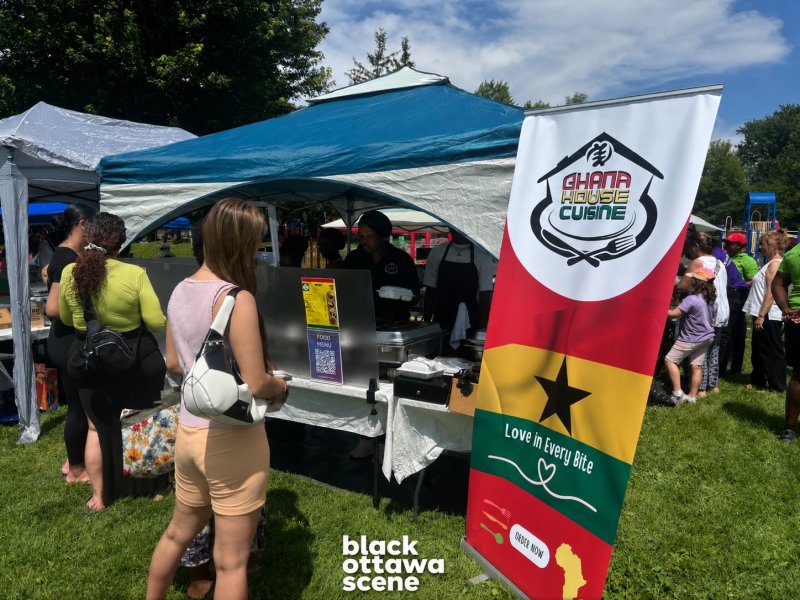
The festival also provides an important marketplace for Ghanaian entrepreneurs, artisans, chefs and small businesses, giving them an opportunity to showcase their products and services to a wider audience.
“We want people to leave with a better appreciation of Ghana,” he said. “Whether it’s through our food, music, crafts or conversations, we want them to take home a lasting memory of our culture.”
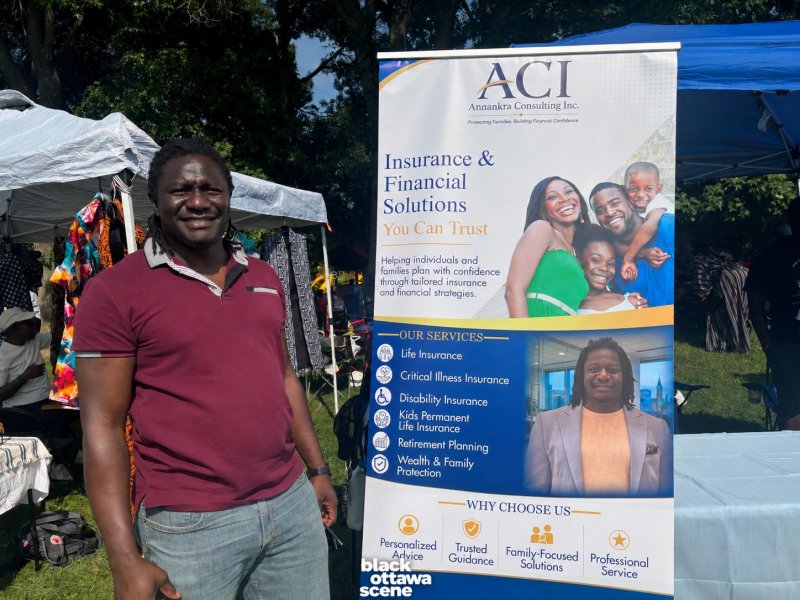
Among the exhibitors was Philip Annankra, chief executive officer of Annankra Consulting Inc., who used the event to educate visitors about financial literacy and wealth-building opportunities available to newcomers.
Annankra said many Black immigrant families lack reliable information about financial planning tools such as Tax-Free Savings Accounts, Registered Retirement Savings Plans, education savings plans and life insurance.
“There is a lot of misinformation,” he said. “The goal is to educate people so they can make informed decisions that protect their families and build long-term wealth.”
Annankra added that GhanaFest creates valuable opportunities for community outreach because it brings together families, professionals and entrepreneurs in one location while highlighting businesses operating within the Ghanaian and broader African communities.
“This is where people can connect, learn from one another and discover services that can help them build stronger futures,” he said.