
Thursday 4 & Friday 15 May 2026
Canadian Higher Education Leaders Advance Black Inclusion and Excellence at
National Forum
by Deirdre Gittens*
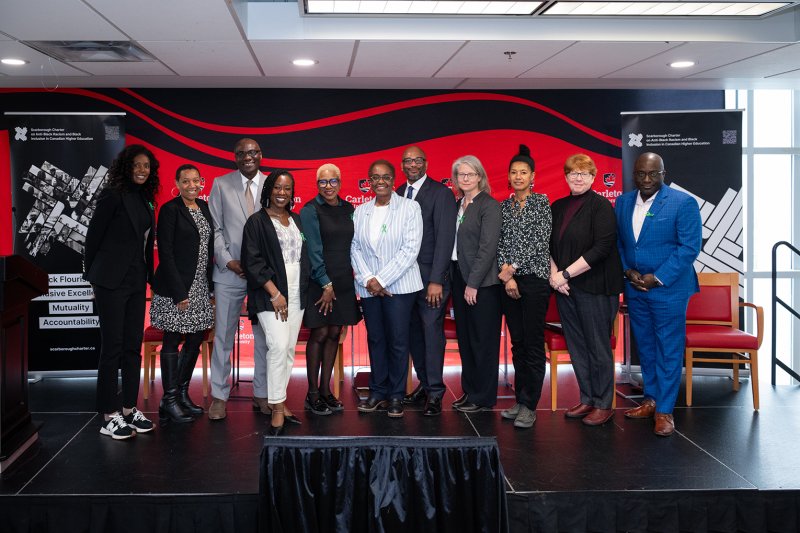
The Scarborough Charter Secretariat, in partnership with Carleton University and the
University of Ottawa, convened the third Inter-Institutional Forum on Anti-Black Racism
and Black Inclusion in Canadian Higher Education on May 14–15, 2026, in Ottawa
under the theme “Advancing Black Excellence and Opportunities in Challenging Times.”
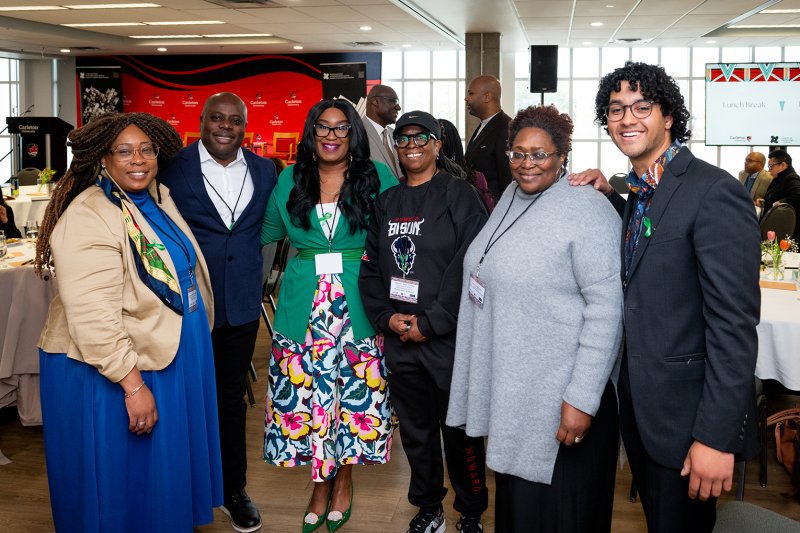
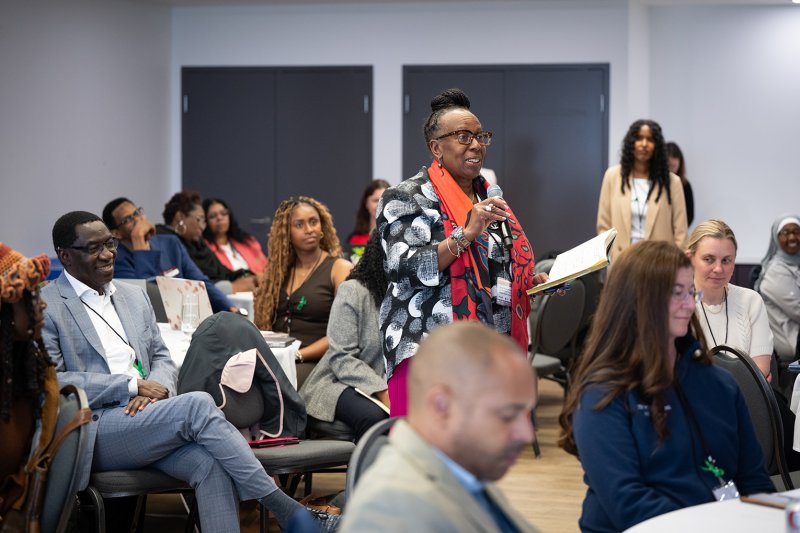
The biennial gathering brought together more than 200 senior leaders, scholars,
practitioners, students, and community partners from across Canada to reflect on
progress, address emerging challenges, and strengthen collective action toward
implementing the Scarborough Charter. It marked the forum’s largest signatory member
representation to date with delegates participating from 43 of the 63 Charter members
and nine additional non‑member institutions.
At a time of shifting political, social, and economic conditions, participants reaffirmed
that commitments to Black inclusion, equity, and institutional transformation must not
only be sustained but strengthened through deliberate action and accountability.
Participants underscored that advancing Black excellence in higher education requires
both courage and clarity in the face of growing pressures that risk undermining equity
commitments across the sector.
Key Themes and Highlights
Over the two days, participants emphasized that Black excellence must be embedded in
governance and decision making, not treated as symbolic or standalone work.
Discussions highlighted the impact of financial pressures and policy shifts on equity
commitments, underscoring the need for sustained accountability, robust data, and
measurable action to address systemic barriers.
A keynote address, “Investing in Black Communities,” examined how economic and
political realities are shaping equity work across the sector. Participants considered how
institutions can adapt without weakening their commitments to Black inclusion and how
financial pressures, leadership transitions, and symbolic approaches can undermine
progress.
Sessions on intentional Black inclusion explored issues of representation, knowledge
production, media narratives, Indigenous knowledges, and spatial justice. Discussions
highlighted the importance of critically examining whose knowledge is centred and how
institutional systems and environments influence belonging, visibility, and participation.
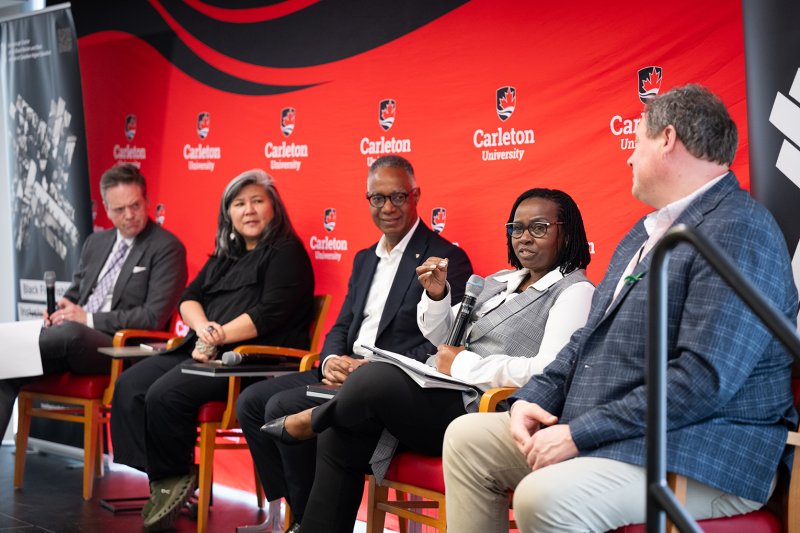
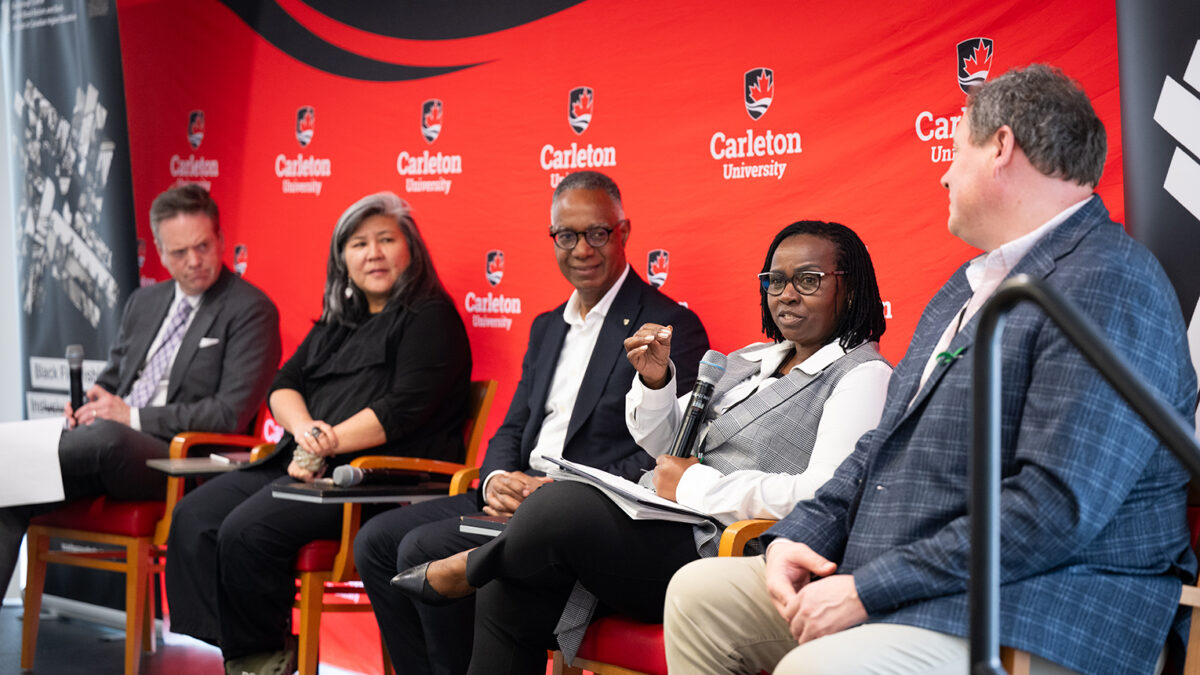
A Presidents’ Panel brought together senior academic leaders to discuss sustaining
accountability to the Scarborough Charter during periods of uncertainty. Speakers
emphasized that anti-Black racism and equity initiatives must remain integrated into
institutional priorities to ensure lasting impact.
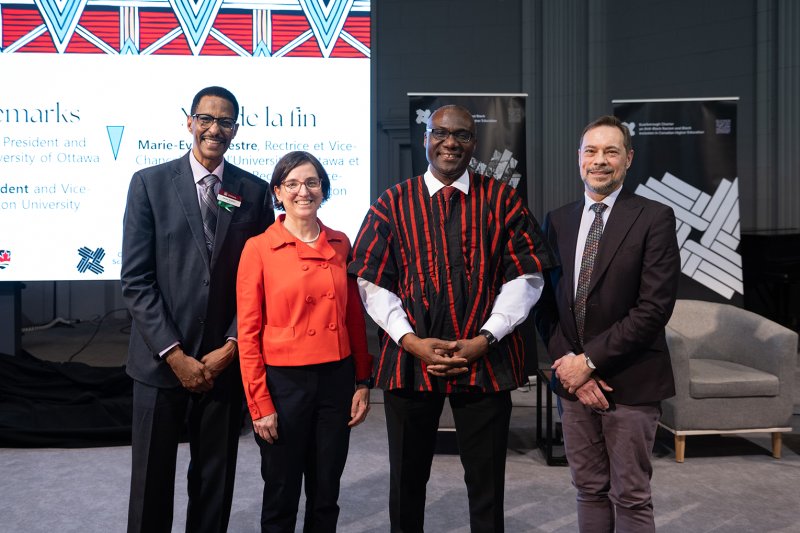
As University of Ottawa President and Vice-Chancellor Marie-Eve Sylvestre noted,
“Equity is not simply an institutional posture—it is a fundamental right, one that requires
intentionality and rigour.”
A dedicated session at the University of Ottawa examined the intersection of
Francophonie and the Scarborough Charter, exploring how language, culture, colonial
histories, and belonging intersect within equity frameworks. Participants also recognized
the importance of Indigenous language revitalization within broader conversations on
inclusion.
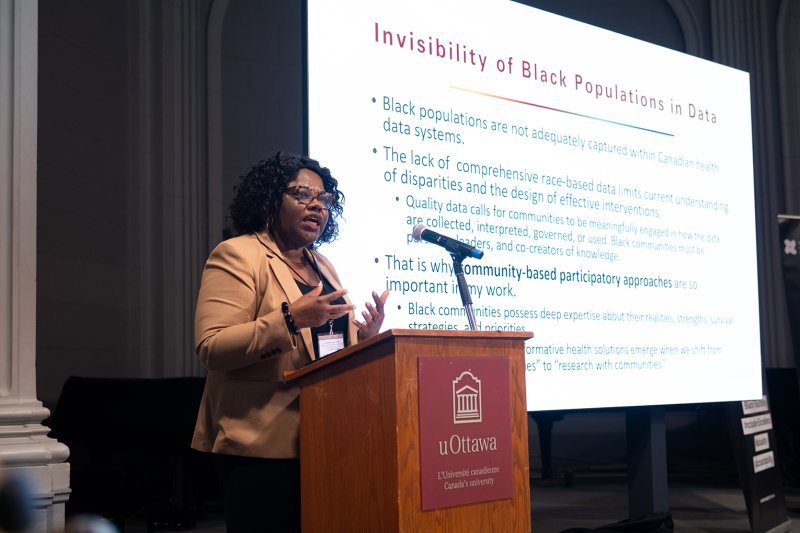
The Forum further emphasized the role of data, evidence, and accountability in
advancing institutional change. Discussions highlighted the importance of
disaggregated data in identifying systemic barriers, measuring progress, and supporting
evidence-based decision-making.
Participants also learned about institutional investments supporting Black communities,
including Carleton University’s announcement of renewed federal support of $4.5 million
through 2028 for the Black Entrepreneurship Knowledge Hub (BEKH), which supports
national research and initiatives aimed at helping Black businesses scale and thrive.
Another panel focused on Black women, children, and health outcomes, examining
persistent inequities in healthcare access and mental wellness. Panelists discussed the
need for culturally responsive systems of care, increased representation within
healthcare professions, and approaches grounded in dignity, equity, and community
wellbeing.
Black Excellence, Community, and Cultural Expression
Beyond institutional dialogue, the Forum celebrated Black excellence through artistic
expression, storytelling, and community engagement. Spoken word presentations,
steelpan music, performances, and informal networking opportunities highlighted the
importance of joy, creativity, culture, and collective imagination as essential components
of Black flourishing and belonging.
Commitment to Action
Throughout the Forum, participants reaffirmed that the Scarborough Charter remains a
living commitment requiring sustained accountability, transparency, and collaboration.
There was broad recognition that progress cannot be taken for granted and that
institutions must continue to resist the erosion of equity commitments in the face of
political, financial, and structural pressures.
Reflecting on the significance of collective action, Scarborough Charter Chair Wisdom
Tettey remarked, “These deliberations remind us that meaningful change is only
possible when institutions work collectively, listen deeply to Black communities, and
hold themselves accountable. Commitments to equity and Black inclusion must move
beyond convenient symbolism that fizzles when it is beleaguered and become
routinized in daily processes and structures—ones in which Black voices are genuinely
embraced as partners to meaningfully shape the decisions, policies, and practices that
define our academic landscape.”
Looking Ahead
The Scarborough Charter confirmed commitments from two member institutions to host
the next two cycles of the Inter-Institutional Forum. The University of Manitoba will host
the 2028 Forum, followed by the University of Prince Edward Island in 2030, reflecting
the continued growth of a national network committed to advancing the objectives of the
Charter.
- Deirdre Gittens is Program Manager, Communications and Engagement, Scarborough Charter Secretariat.