Saturday 27 June 2026
Wellness Circle Helps Black Seniors Find Health, Community and Belonging
by Ijeoma Ukazu, Local Journalism Initiative Reporter
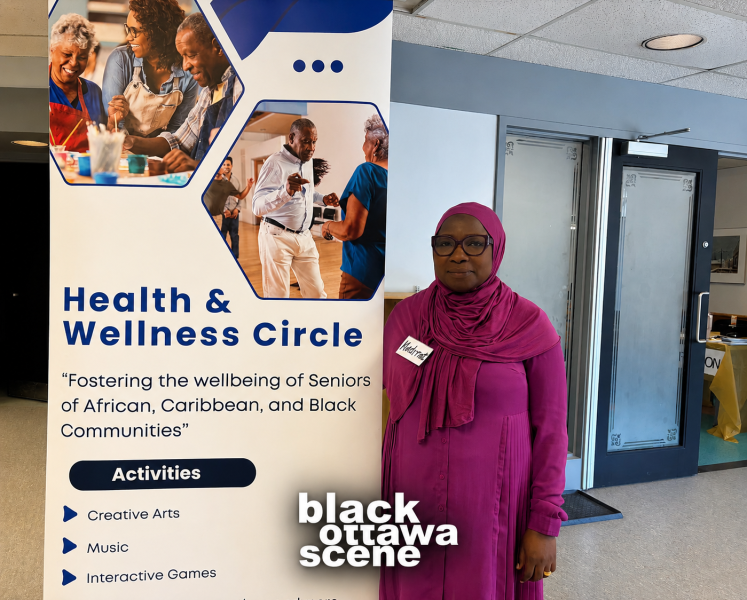
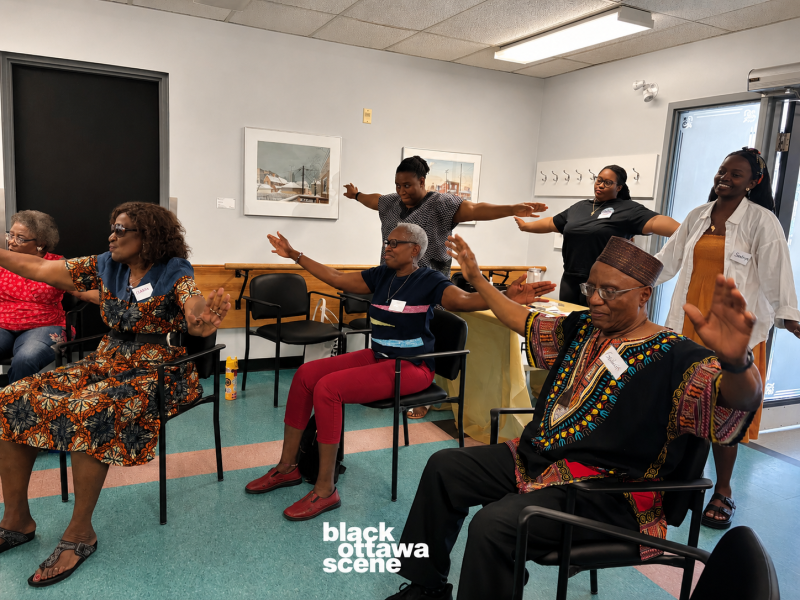
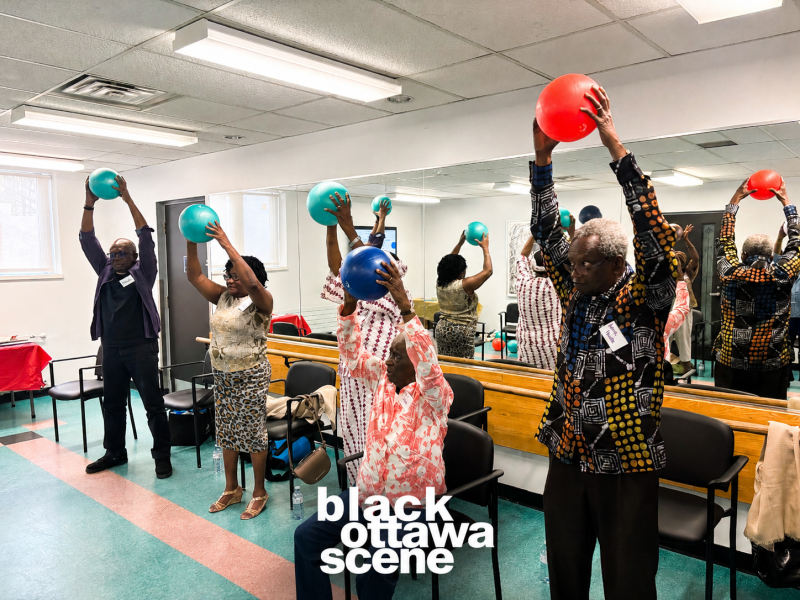
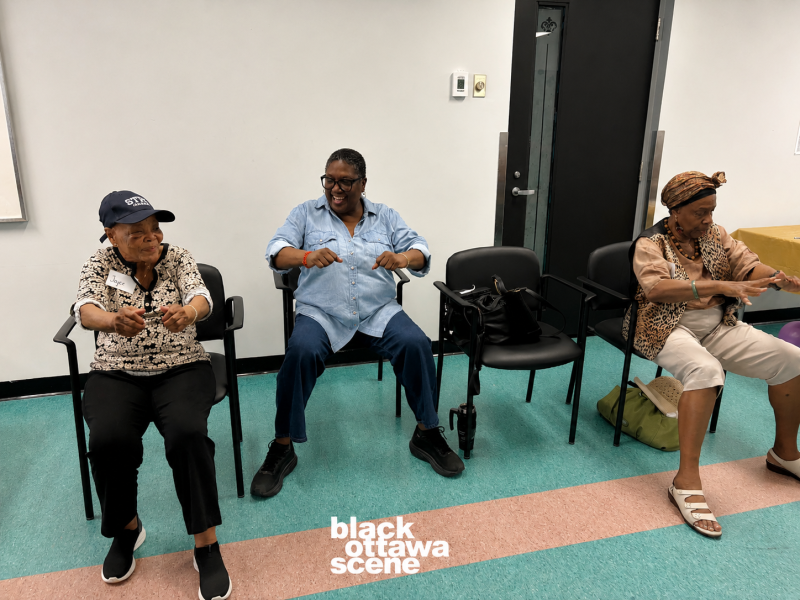
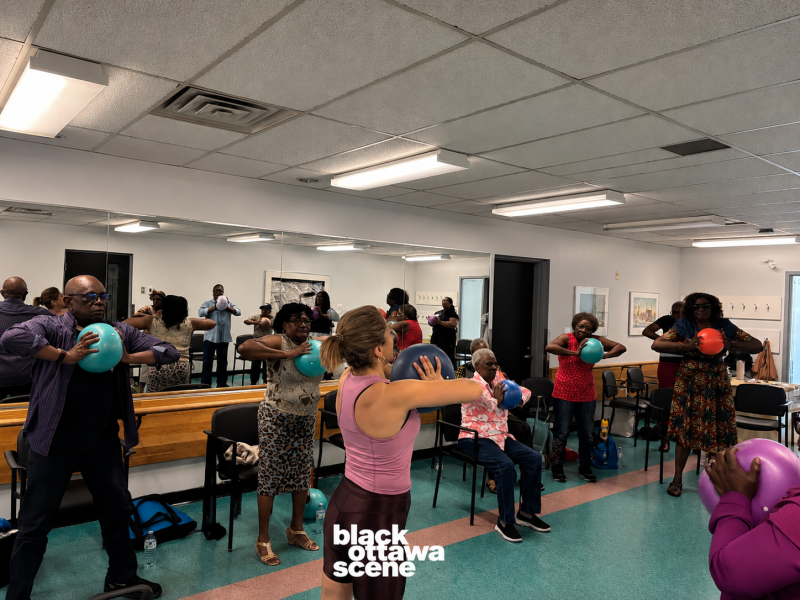
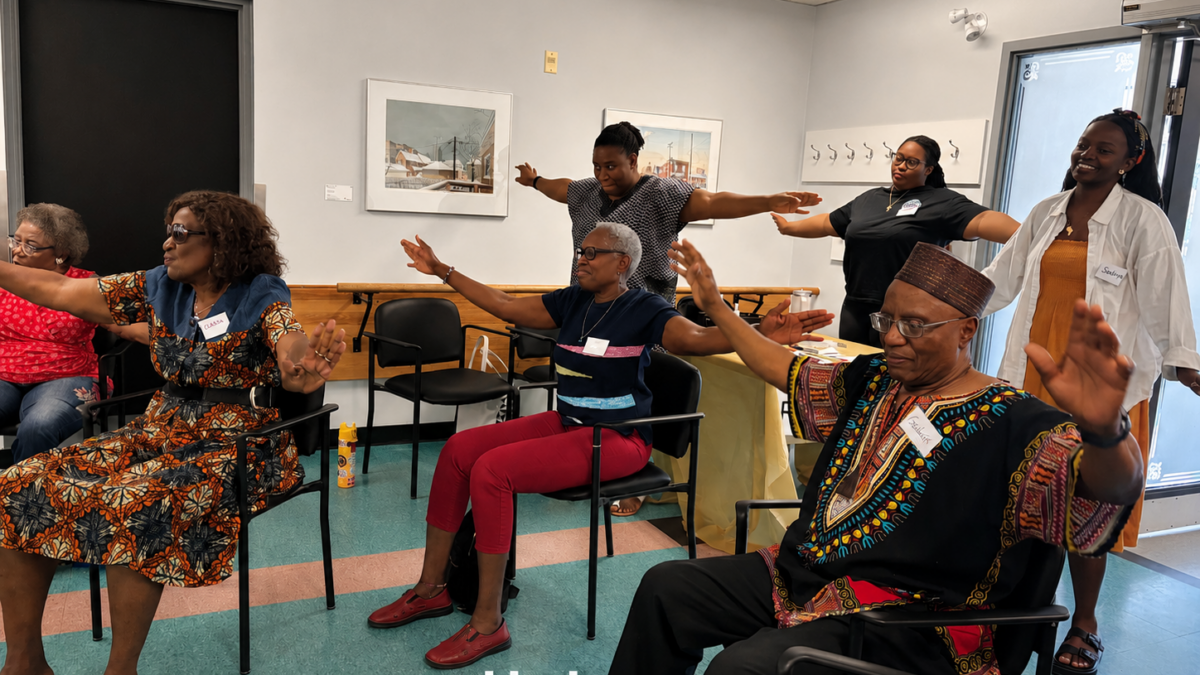
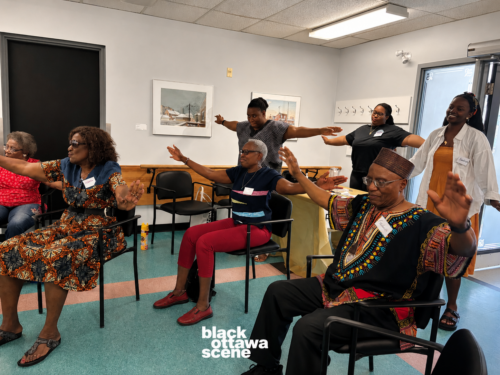
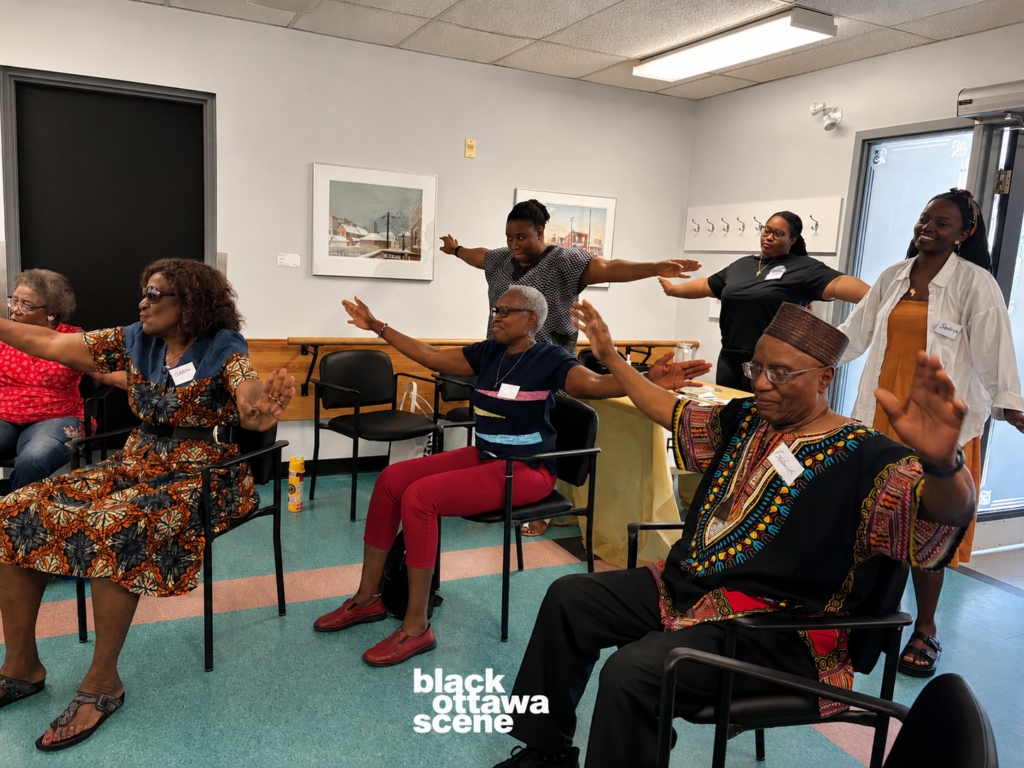
Inside Ottawa’s Sandy Hill Community Centre, laughter filled the room as Black seniors stretched, danced and moved to familiar rhythms during the Canadian of African Descent Health Organization (CADHO)’s monthly wellness circle on June 27. Between exercises and conversations, participants encouraged one another, creating an atmosphere that felt more like a family reunion than a fitness class.
For many attending the monthly gathering, that sense of belonging has been missing from conventional health programs.
While physical activity is central to the initiative, organizers say the program was created to address the cultural, emotional and social barriers that often prevent Black seniors from accessing mainstream health services.
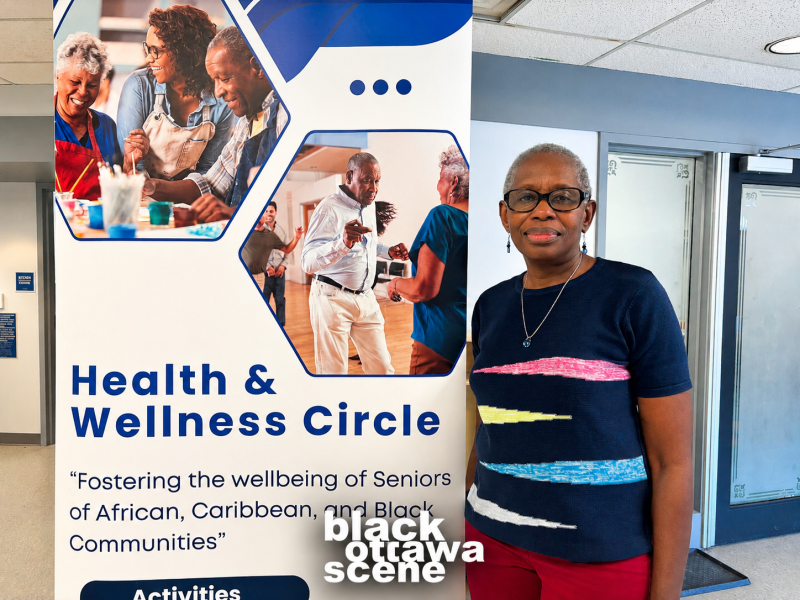
“There are many excellent government-sponsored health programs,” said Kudirat Salam-Alada, a geriatrics consultant and CADHO’s Health and Wellness Circle coordinator. “But you hardly see Black people attending them.”
She believes the issue is not a lack of interest.
“Many of our seniors don’t feel culturally accommodated in those spaces,” Salam-Alada said. “There isn’t always enough outreach or effort to make people feel they belong. They know me. I’m like their daughter, so they feel comfortable asking questions they may never ask elsewhere.”
Launched in April 2025 following consultations with seniors, the monthly wellness circle has grown into a close-knit community where participants return not only for exercise but also companionship and support.
“They’ve become like family,” Salam-Alada said. “One senior came today and brought me cookies. Another had travelled for several months, and her friends here were already telling me how much they missed her.”
That care often extends beyond the monthly sessions. When one participant recovering from a stroke struggled to attend, Salam-Alada arranged transportation to ensure she could continue participating.
“I told her, ‘You can’t stay home,'” she recalled. “You finished rehabilitation. Now you need to keep coming.”
Although exercise is a major component, Salam-Alada said wellness goes far beyond physical health.
“Mental health is expressed differently in many African communities,” she explained. “Some seniors don’t say, ‘I’m depressed.’ They simply say, ‘I’m just tired.’ Because I understand how they communicate, I probe further.”
Recognizing those cultural differences, she said, allows emotional distress to be identified earlier, while the friendships formed during the sessions become part of the healing process.
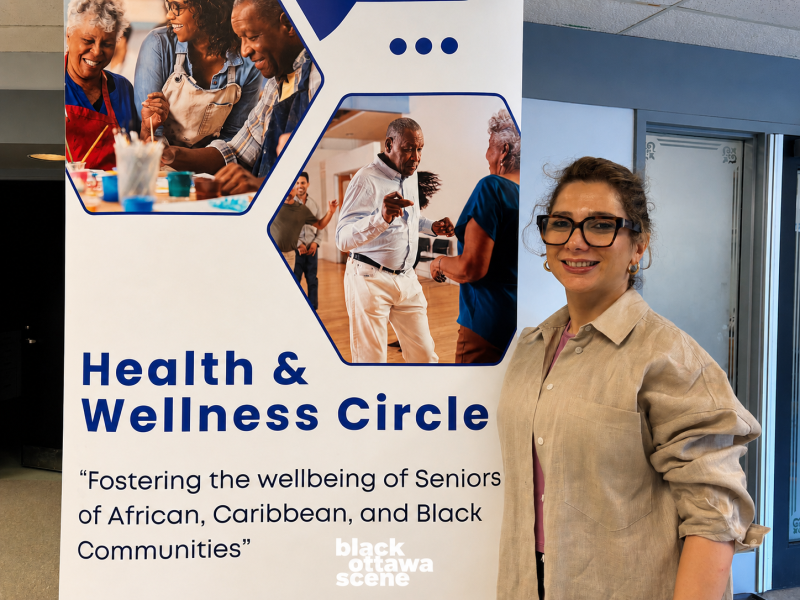
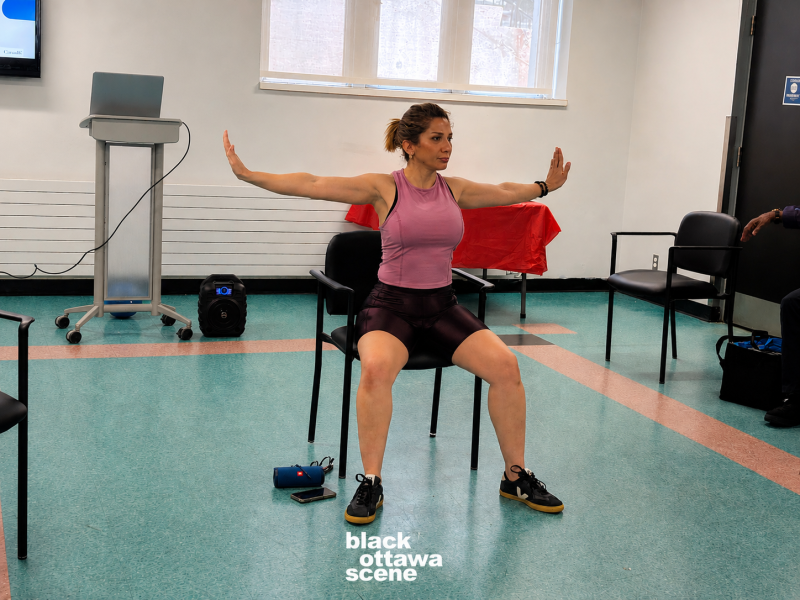
Leading the exercise sessions is Aida Bahramian, an adapted physical activity specialist completing her second PhD at the University of Ottawa. Her research focuses on health equity among African, Caribbean and Black communities.
Rather than emphasizing athletic performance, Bahramian designs activities that accommodate different abilities while encouraging everyone to participate.
“The goal is not competition,” she said. “The goal is to stay active throughout life and improve quality of life.”
Participants perform exercises standing or seated, with modifications for those living with chronic conditions or balance challenges, she said.
“Adapted physical activity is much broader than exercise,” Bahramian said. “It includes movement, dance, art therapy and social interaction. Belonging to a group is also part of health.”
Drawing on years of rehabilitation and health promotion experience in Iran and France, where physicians can prescribe adapted physical activity, she hopes Canada continues expanding community-based wellness programs.
“We often tell people to exercise,” she said. “But many don’t have affordable opportunities or enough information. Health promotion should be accessible to everyone.”
She also encourages people to rethink what counts as exercise.
“Physical activity doesn’t always mean going to the gym,” Bahramian said. “Cooking, walking, dancing and everyday movement all count.”
For first-time participant Effi Cooper, the session exceeded expectations.
After seeing photographs from an earlier gathering, she decided to attend.
“It’s amazing,” Cooper said. “I really enjoyed it.”
Although she already exercises at home, she said the session introduced new techniques she plans to continue using.
“She taught us the proper way to do the exercises, especially for my neck,” Cooper said. “I can go home and continue doing them.”
She believes programs like this help make ageing less intimidating.
“Ageing is something we all have to face,” she said. “Programs like this teach you to use your mind and your body while bringing seniors together.”
Cooper now plans to encourage women in her African women’s association to attend future sessions.
Looking ahead, Salam-Alada hopes to expand the initiative by partnering with retirement and long-term care homes, allowing Black seniors living in institutions to reconnect with familiar languages, music, food and cultural traditions.
“When the drums start playing, you should see them dance,” she said. “These are things they grew up with.”
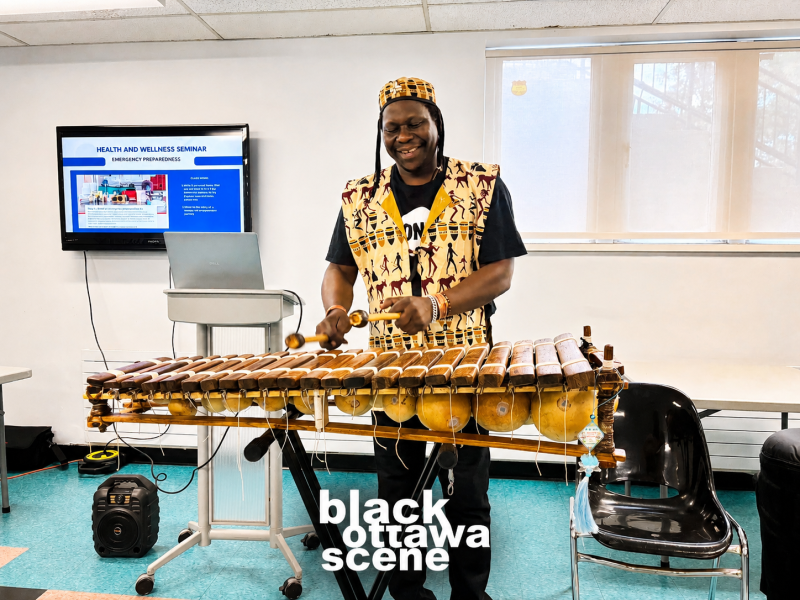
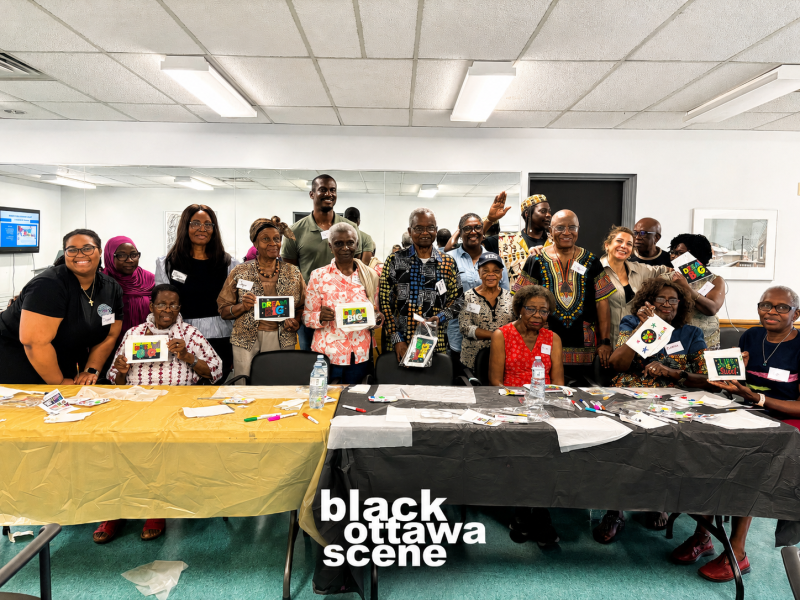
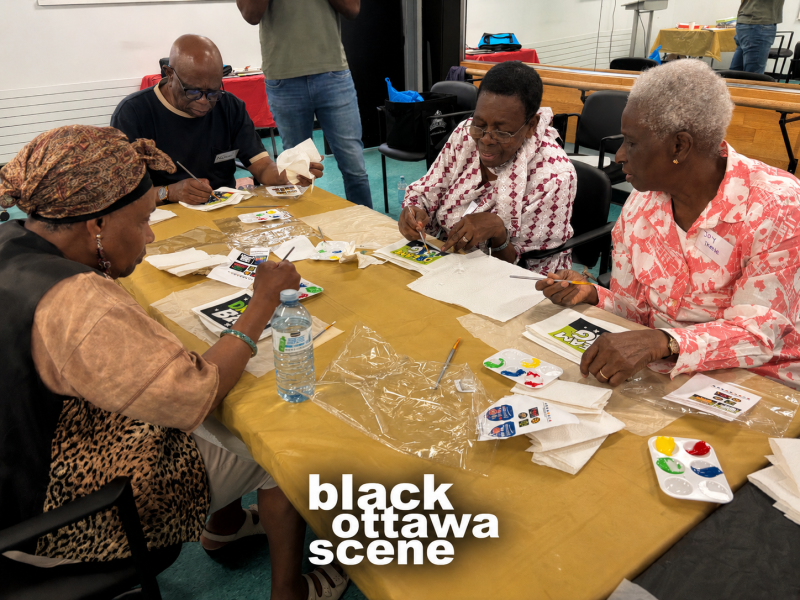
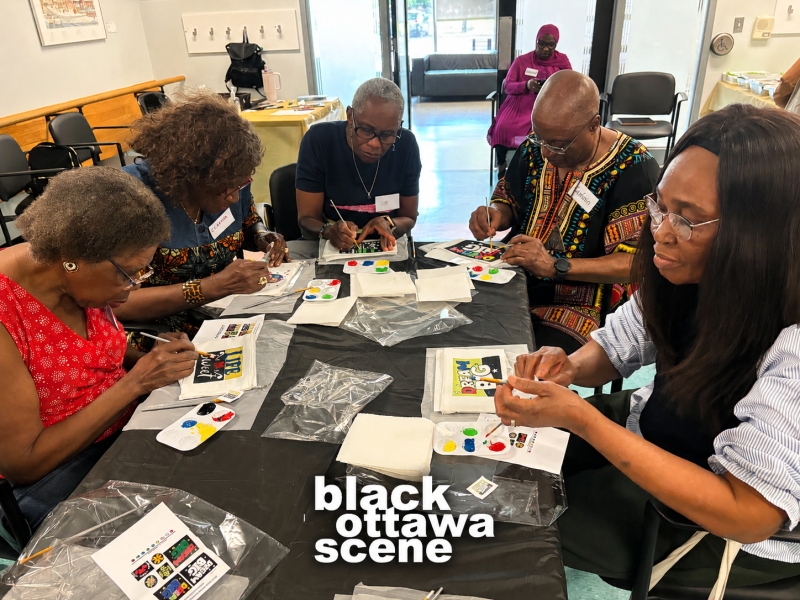
The highlight of the event came during a colouring activity that encouraged conversation, creativity and relaxation. Traditional music performed by Eric Sarah, widely known by his musical name, Wandara Topzo, transformed the room as familiar rhythms prompted many seniors to nod their heads, clap along and sway gently to the music, celebrating their shared cultural heritage.
For Salam-Alada, those moments capture the program’s true purpose.
“When people feel seen, understood and connected,” she said, “that’s where healing truly begins.”