Saturday 19 September 2026
CADHO Wellness Seminar Urges Seniors to Take a Simpler Approach to Skin Care
By Ijeoma Ukazu, Local Journalism Initiative Reporter
Seniors have been encouraged to adopt a simpler approach to skin care, avoid harsh chemicals and pay closer attention to their diets, as health expert highlighted the importance of healthy ageing during a wellness seminar in Ottawa.
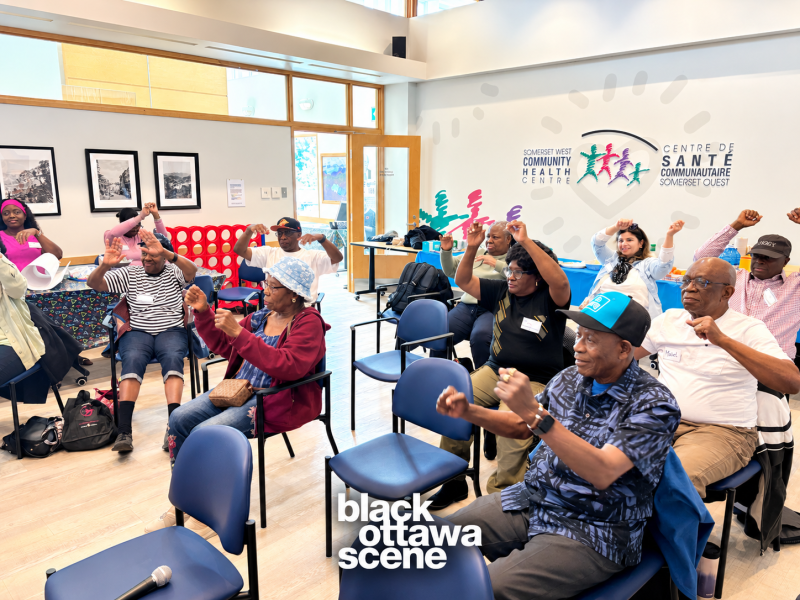
The seminar, organized by the Canadian of African Descent Health Organization (CADHO) on Sept. 19 at the Somerset Community Health Centre, addressed common skin-care concerns among older adults, including dry skin, hair dye, facial massage, sun exposure and the effects of ageing.
Kudirat Salam-Alada, a geriatrics consultant and CADHO’s Health and Wellness Circle coordinator, urged participants to be mindful of the chemicals they apply to their bodies, particularly those contained in hair dyes, soaps and heavily perfumed creams.
“I’ve always had concerns about chemicals getting into the skin,” Salam-Alada said, acknowledging that she was not a dermatologist and could not comment specifically on the science behind hair dye.
She advised those who choose to colour their hair to consult professional hairdressers familiar with the chemicals in hair dyes and their safe application.
“The general point is that we should be conscious of the chemicals we put on our bodies because some can be absorbed into our system more readily than others,” she said.
Salam-Alada also cautioned against using harsh soaps and heavily fragranced skin-care products, encouraging seniors to pay attention to how their skin responds to different ingredients.
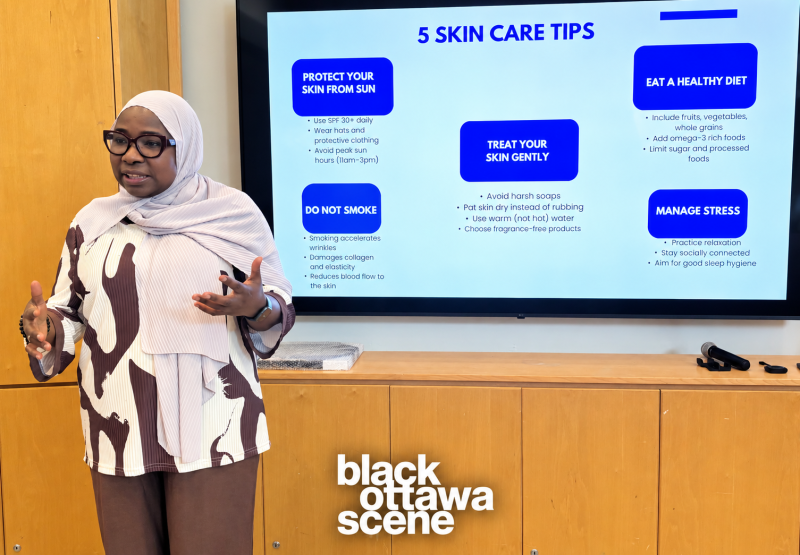
She outlined five essential tips for maintaining healthy skin as people age, emphasizing that effective skin care does not necessarily require expensive products or complicated routines.
The first was sun protection. Salam-Alada said older adults should wear hats and protective clothing, seek shade and avoid prolonged exposure to direct sunlight, particularly between 11 a.m. and 3 p.m., when the sun is strongest.
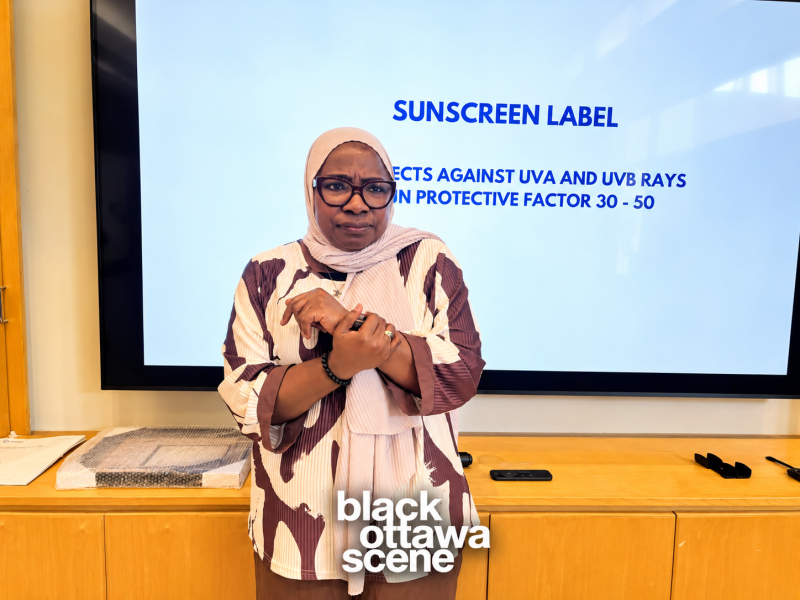
Addressing a common question about whether Black people need sunscreen, she explained that melanin provides some natural protection against ultraviolet radiation but is not sufficient to prevent sun damage.
The Canadian Dermatology Association recommends using broad-spectrum sunscreen with a sun protection factor (SPF) of at least 30, alongside protective clothing and shade.
Her second recommendation was to treat ageing skin gently. She advised seniors to use warm rather than hot water when bathing, avoid harsh soaps, pat their skin dry instead of rubbing it and choose fragrance-free products.
Moisturizing was also emphasized as an essential part of skin care, particularly because ageing skin tends to become drier. Seniors were encouraged to use moisturizers regularly to help maintain the skin’s moisture and protect its natural barrier.
The third tip focused on healthy eating. Salam-Alada encouraged participants to incorporate fruits, vegetables and whole grains into their diets, while including foods rich in omega-3 fatty acids. She also advised limiting sugar and highly processed foods.
She explained that dietary choices are important not only for skin health but also for cardiovascular health as people grow older.
Discussing dietary fats, she said the body needs fat to function properly, but older adults should prioritize balance rather than eliminate fats altogether. She highlighted olive oil, avocados, cashews and almonds as sources of beneficial fats and explained the differences between high-density lipoprotein (HDL) and low-density lipoprotein (LDL) cholesterol.
“Everything we eat has a purpose, but as we get older, we need to pay more attention to balance, nutrition and exercise,” she said.
She also explained how fatty deposits can accumulate in blood vessels, potentially restricting blood flow and contributing to cardiovascular problems. Using pipes as an analogy, she described how blood vessels transport blood throughout the body and why maintaining their health is important.
Her fourth recommendation was to avoid smoking, which she said accelerates the formation of wrinkles, damages collagen and elastin, and reduces blood circulation to the skin.
The fifth was stress management. Salam-Alada encouraged seniors to practise relaxation, maintain social connections and develop healthy sleeping habits, noting that emotional stress can sometimes manifest through skin conditions such as rashes.
She stressed that skin care should be considered part of overall well-being rather than simply a way to prevent wrinkles or achieve a youthful appearance.
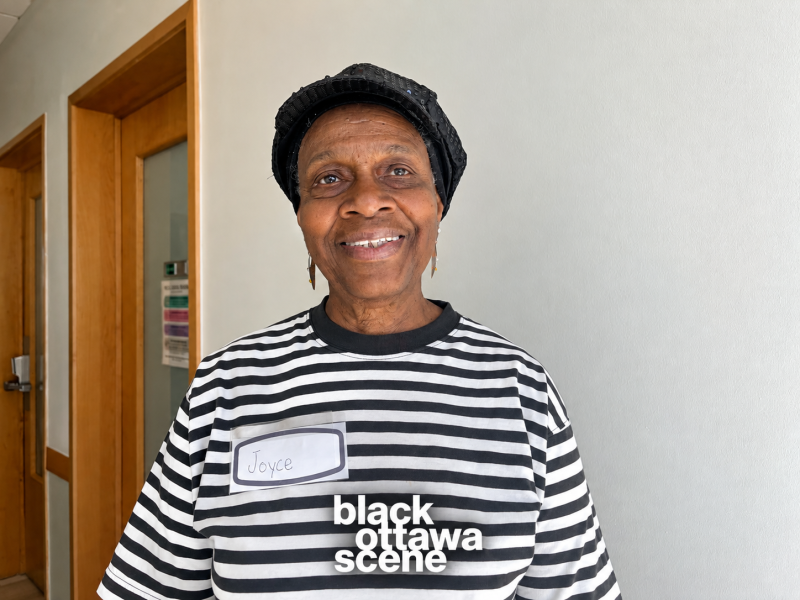
Joyce Edwards, a retired Algonquin College nursing professor who specialized in obstetrics, welcomed the discussion, particularly given the growing number of skin-care products advertised on social media.
“I think it was very important to have this kind of conversation, especially with social media and the wide range of products now available on the market,” Edwards told The Black Ottawa Scene in an interview.
Edwards said she has continued using the same basic skin-care product for years because it works well for her. She cautioned seniors against purchasing products simply because they are popular or recommended by others.
“People often say, ‘This is good for you,’ but something that works for one person may not work for another,” she said.
She noted that dry skin is a common concern among older adults and emphasized the importance of choosing products that help retain moisture.
The Canadian Dermatology Association also recommends fragrance-free moisturizers and shorter showers using warm water rather than hot water to help manage dry skin.
The seminar also addressed facial massage, a practice that has gained popularity through social media. Participants discussed how gentle massage may temporarily reduce facial puffiness and help fluid drainage. However, they were cautioned against believing exaggerated claims that massage can significantly alter facial features or prevent wrinkles.
Participants were encouraged to avoid skin bleaching, excessive chemical treatments and aggressive facial procedures, while adopting simple, consistent routines suited to their individual needs.
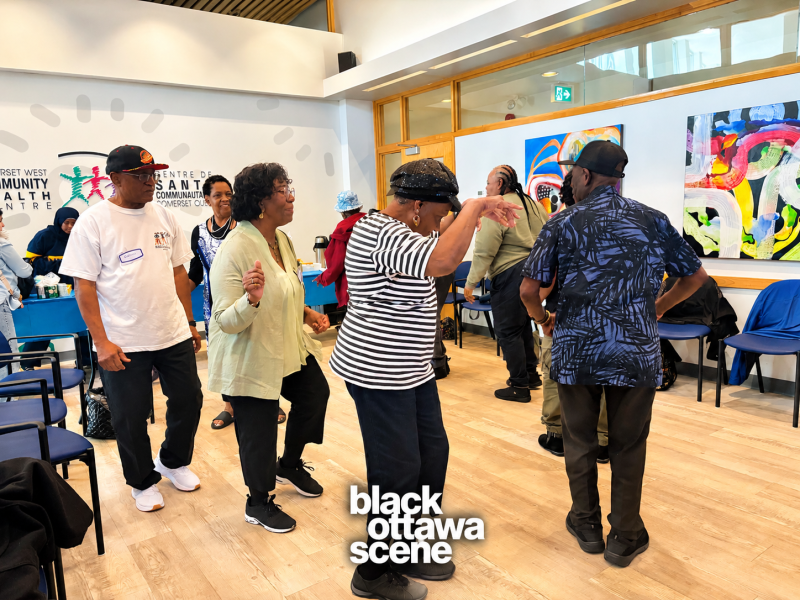
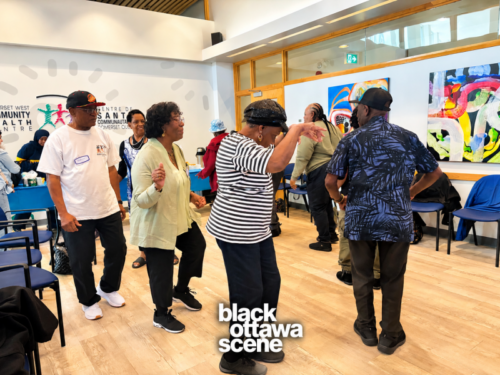
The seminar concluded with a lively dance performance by Ottawa-based African music artist Eric Wandara, giving seniors an opportunity to participate in physical activity and socialize.