Monday, August 3, 2026
Fufu Festival Brings the Flavours and Spirit of Ghana to Ottawa
By Obasola Bamigbola, Local Journalism Initiative Reporter
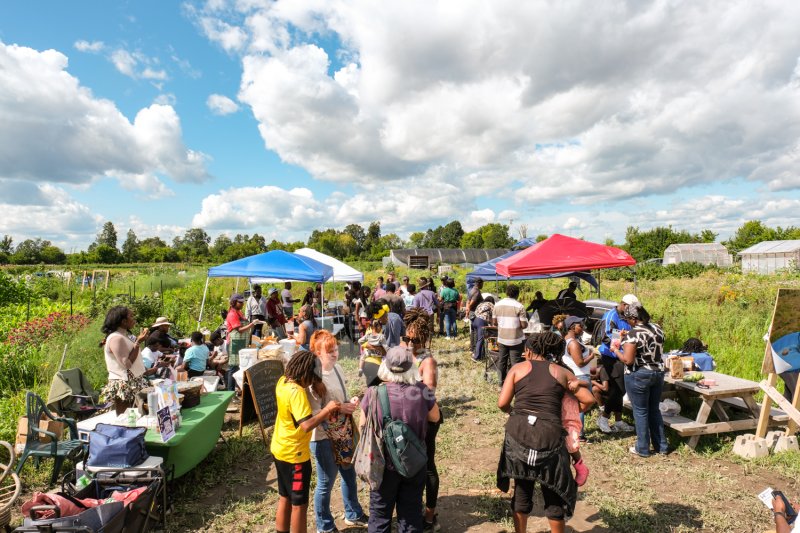
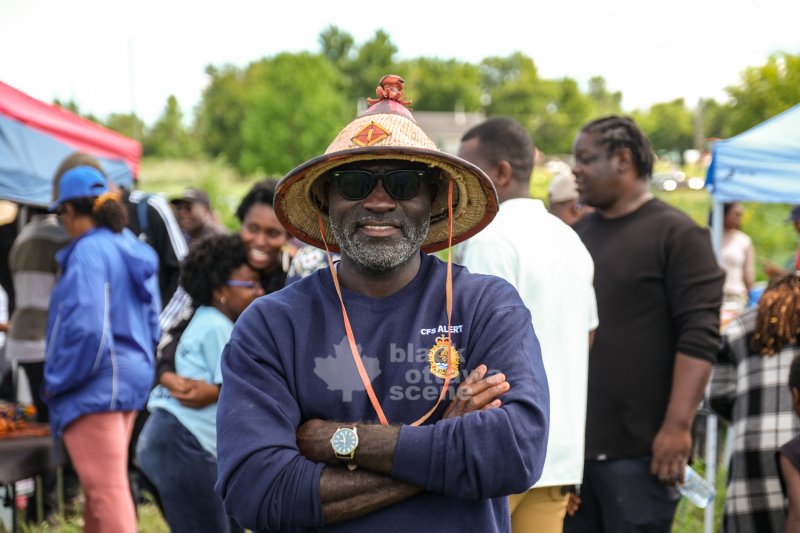
The aroma of freshly prepared Ghanaian cuisine, the sound of afrobeat music, and the warmth of community drew hundreds of people to Maple Hill Urban Farm on Monday, August 3, for Fufu Festival 2026, a celebration of Ghanaian food, culture, and togetherness in Ottawa
Organized by Akrobonsu in partnership with the Ghanaian Association of Ottawa, the inaugural festival transformed the urban farm into a vibrant gathering place where families, friends, entrepreneurs and artists shared traditional meals, explored local businesses, and reconnected with the sights and atmosphere of village life many remembered from home.
Held under the theme A Taste of Ghana in Ottawa, the festival was about much more than food. It celebrated identity, strengthened community bonds, and introduced visitors from diverse backgrounds to Ghana’s rich cultural traditions.
Before the festival officially got underway, participants took part in a 5-kilometre race, adding an energetic start to the day’s celebrations. Runners, joggers and walkers made their way through the surrounding area before arriving at the farm, where the atmosphere gradually shifted to food, music, and conversation.
“We call it the Fufu Festival because fufu is one of Ghana’s most popular staple foods,” explained Peter Afum, President of the Ghanaian Association of Ottawa and Gatineau.
“But the festival is bigger than food. It’s about bringing Ghanaians together, enjoying music, celebrating our culture, supporting businesses, and reconnecting as a community.”
Afum noted that the association intentionally schedules outdoor events during the summer months, recognizing that Ottawa’s long winters often limit opportunities for community gatherings.
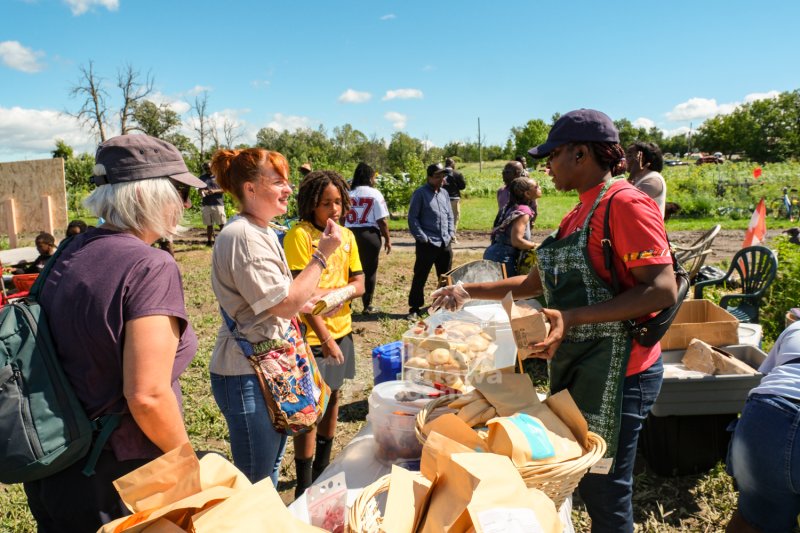
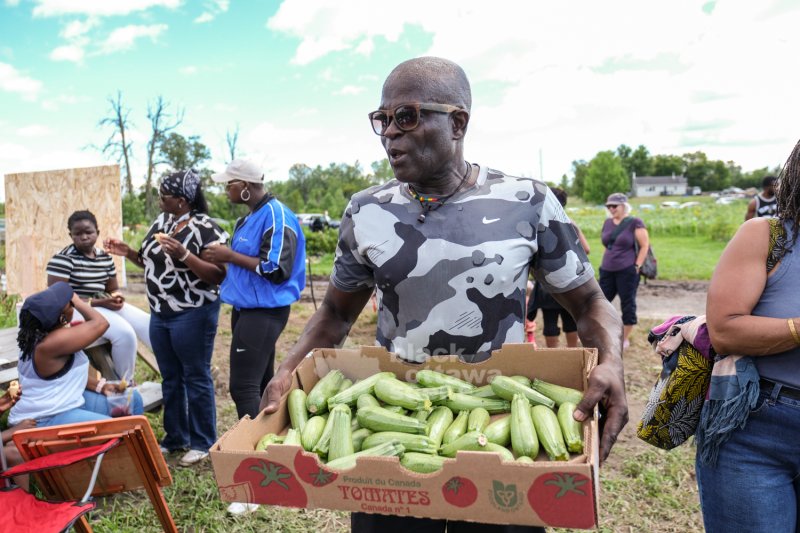
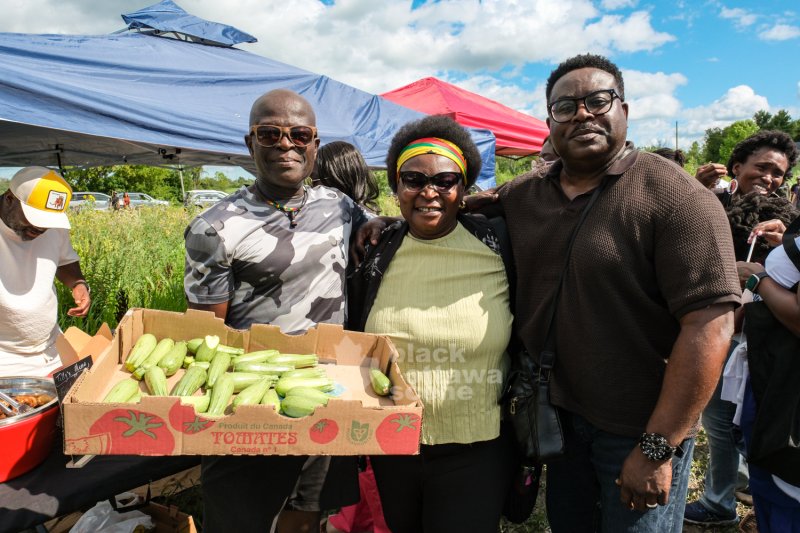
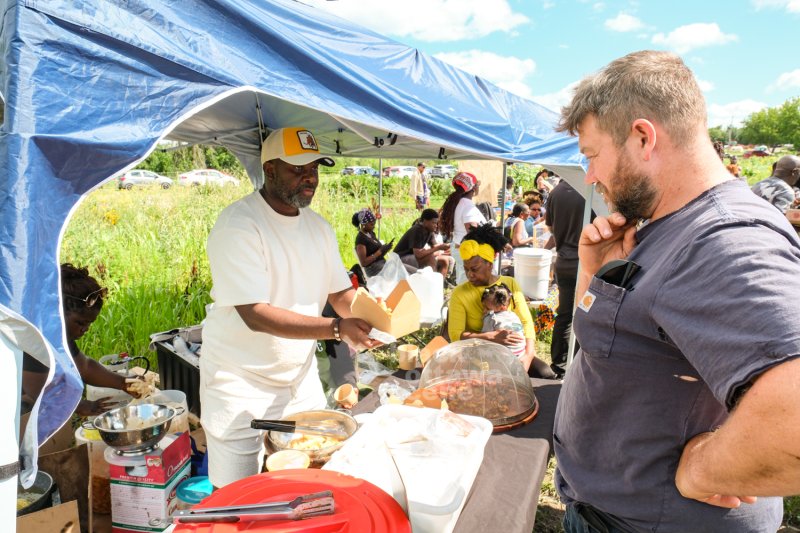
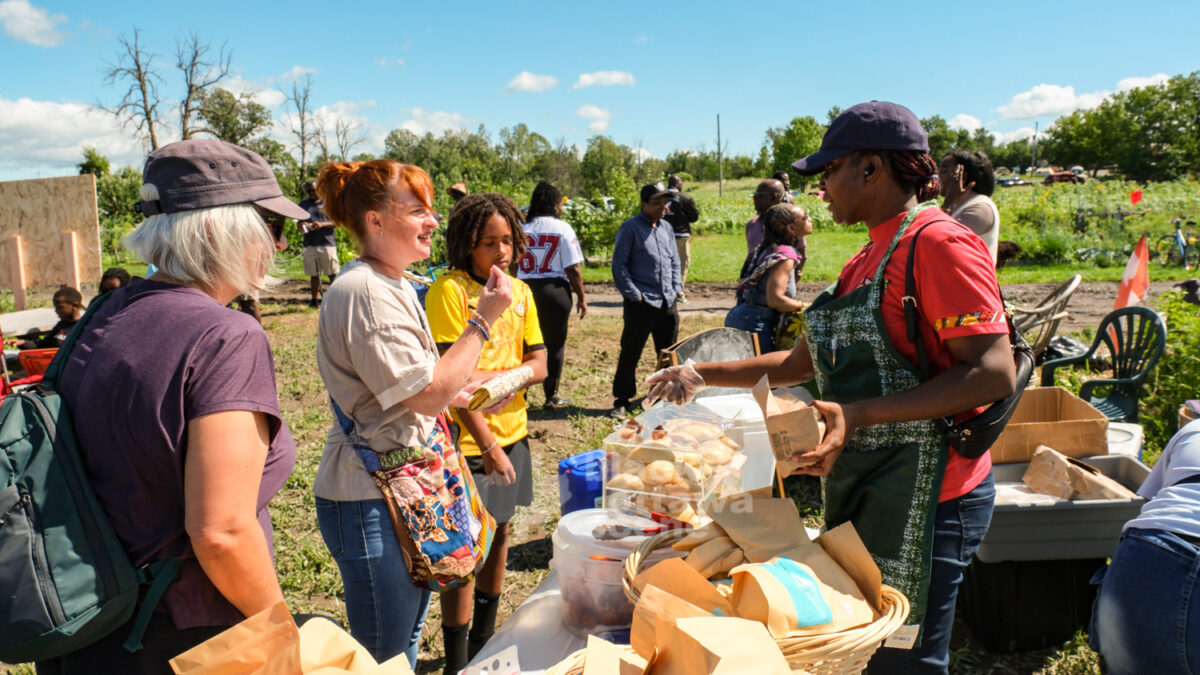
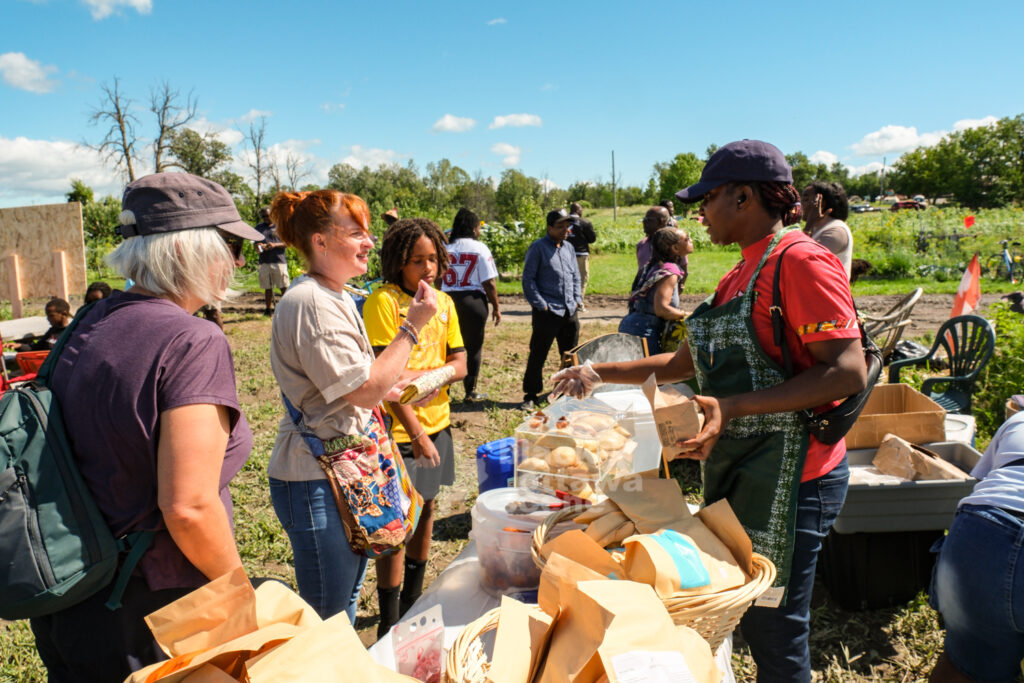
The festival unfolded across the scenic grounds of Maple Hill Urban Farm, where guests wandered between food stalls, fresh produce displays, local vendors, and community exhibits while children explored the open green spaces surrounding the farm.
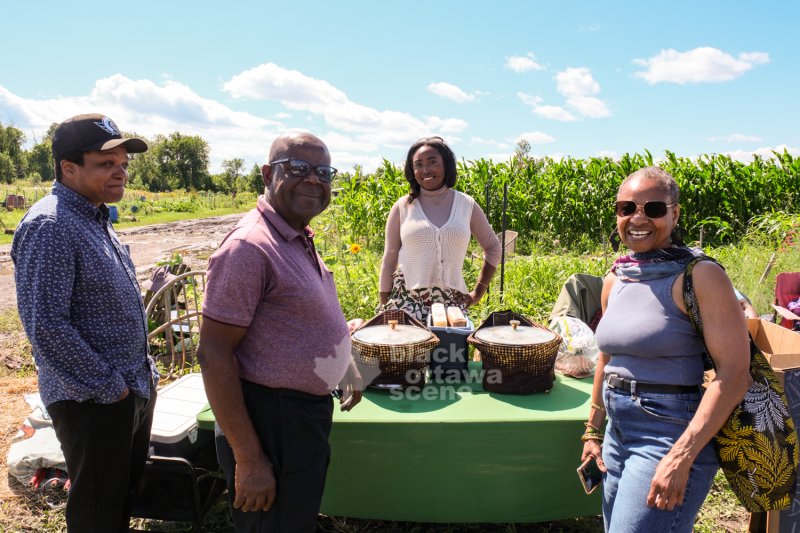
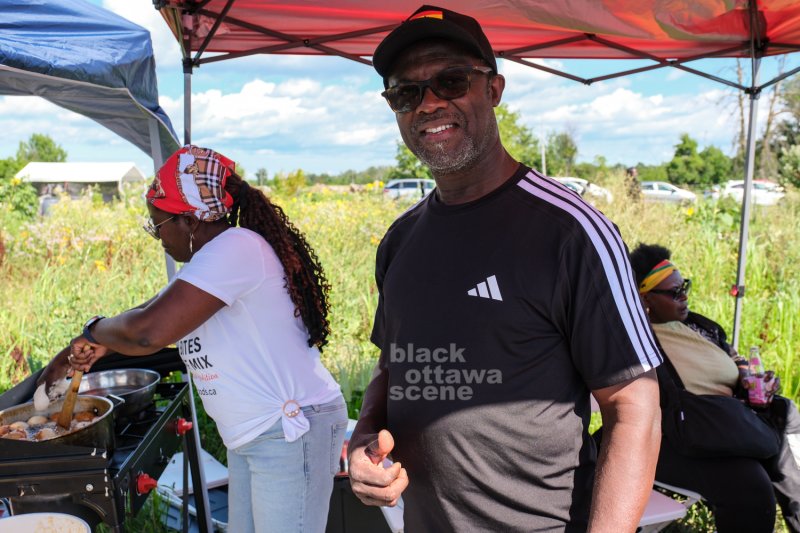
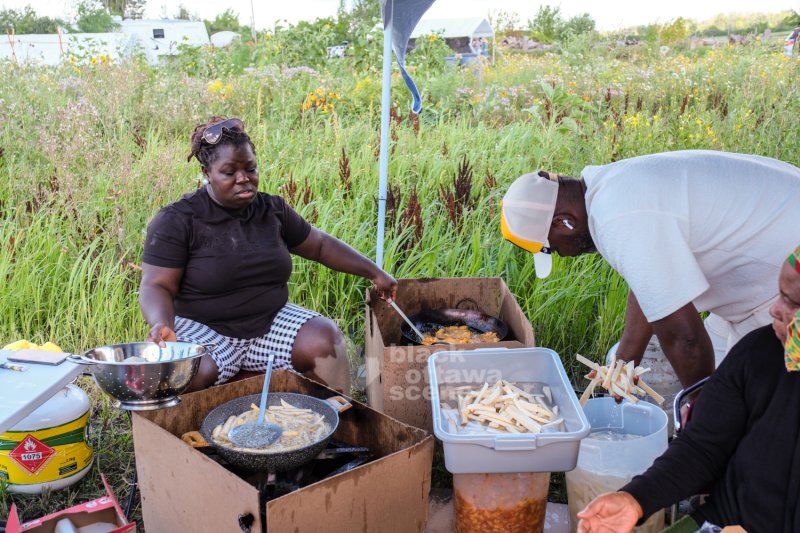
Traditional Ghanaian favourites quickly became the centre of attention. Food vendors served steaming bowls of banku with okro soup, jollof rice, puff puff, meat pies, brukina, sobolo, and other beloved dishes that reminded many attendees of home.
For the non-Ghanaian visitors, the festival offered an opportunity to experience Ghanaian cuisine in an authentic setting. For others, every meal carried memories of family kitchens and festive gatherings.
Music drifted throughout the afternoon as friends reunited, danced, and shared stories under tents overlooking rows of vegetables growing across the farm.
The rural setting was no coincidence.
Afum explained that one of the festival’s goals was to reconnect members of the Ghanaian community with the agricultural lifestyle many had left behind.
“We wanted to bring people away from the city and closer to nature,” he said. “Many of us grew up around farms and green spaces. Here, we’re celebrating our culture in an environment that reminds us of those experiences.”
That vision became possible through the generosity of Dr. Andy Kusi-Appiah, past president of the Ghanaian Association of Ottawa and owner of the property that hosted the festival at the Maple Hill Urban Farm.
Dr. Kusi-Appiah spoke proudly about creating a space where culture and agriculture could meet.
“This farm grows many vegetables that are familiar to Ghanaians,” he explained. “We wanted people not only to enjoy the food but also to see where it begins.”
He also highlighted the long history of the Ghanaian community in Ottawa, dating back to the 1960s, crediting earlier generations for building a strong and united association.
“We’ve been fortunate to have leaders who worked together for the good of the community,” he said. “Now it’s our responsibility to continue building on that foundation.”
Beyond the food and farming demonstrations, the festival also created opportunities for local entrepreneurs to showcase their work.
Among them was author, spoken-word artist, and storyteller Abena Beloved Green, who participated as a vendor while also enjoying the event as a community member.
“Our outdoor season is short,” she observed. “It’s wonderful to see people smiling, meeting one another, and simply enjoying being together.”
The atmosphere remained relaxed and welcoming. Families shared meals beneath tents while children played nearby.
By late afternoon, it was evident that the inaugural Fufu Festival had achieved its purpose. It celebrated Ghanaian cuisine while creating a space where culture, agriculture, entrepreneurship, and community could flourish together.