Thursday 25 June 2026
Welcoming Ottawa Week Resource Fair Connects Newcomers to Services, Community and Belonging
by Ijeoma Ukazu, Local Journalism Initiative Reporter
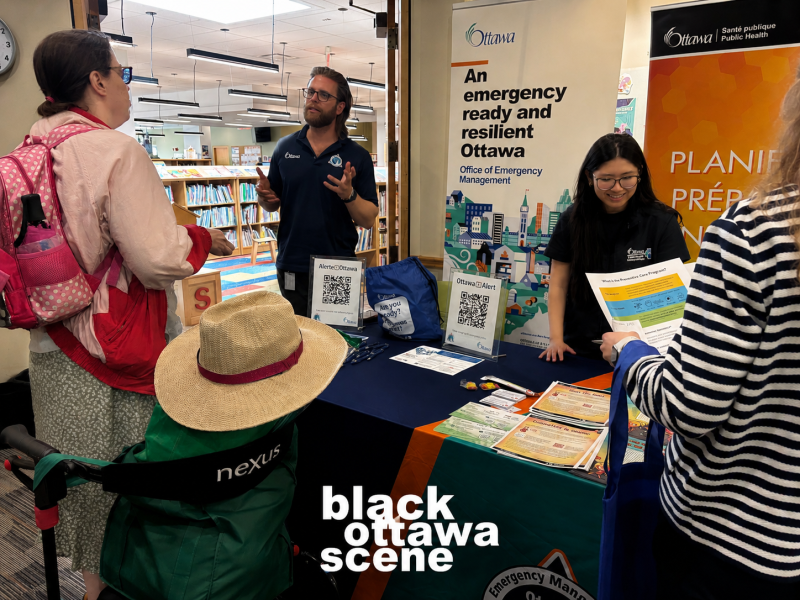
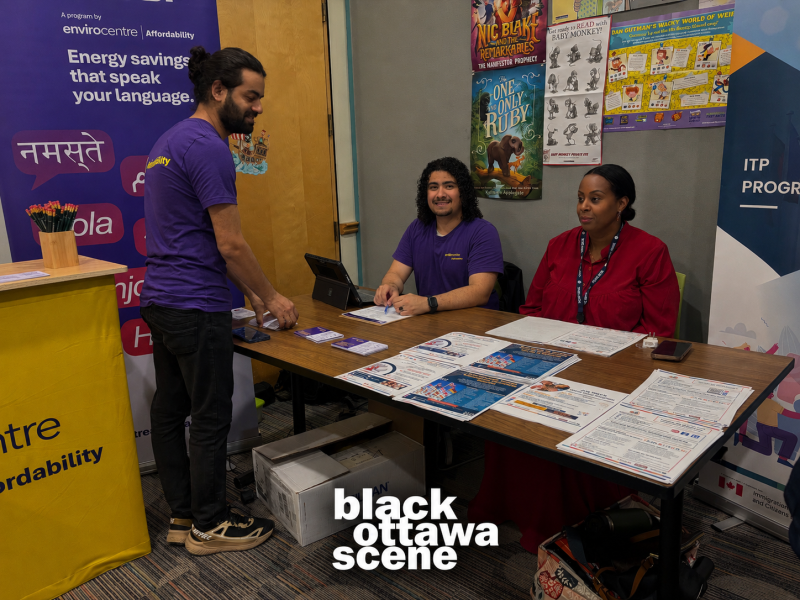
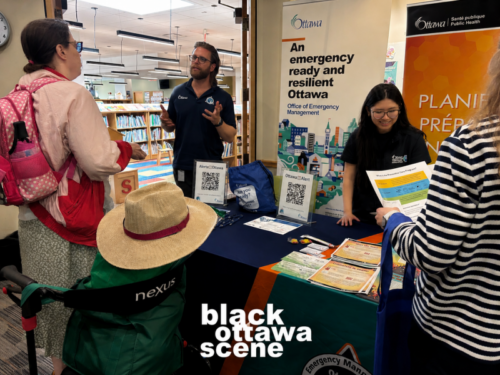
Jointly organized by the Ottawa Public Library, the City of Ottawa’s Community and Social Services Department, and Ottawa Public Health, the resource fair was held at the Emerald Plaza, Centennial and Rideau branches of the Ottawa Public Library as part of the citywide Welcoming Ottawa Week celebrations.
The initiative connected residents, particularly newcomers, with essential services, community organizations and library programs designed to help them settle successfully into life in Canada’s capital.
The resource fair was part of the 12th annual Welcoming Ottawa Week, an eight-day initiative coordinated by the Ottawa Local Immigration Partnership (OLIP). This year’s celebration featured approximately 50 events across the city aimed at helping newcomers build connections and feel at home.
At the June 25 resource fair held at the Emerald Plaza branch, organizers and community partners emphasized that helping newcomers feel welcome begins with ensuring they know where to find support and opportunities to connect.
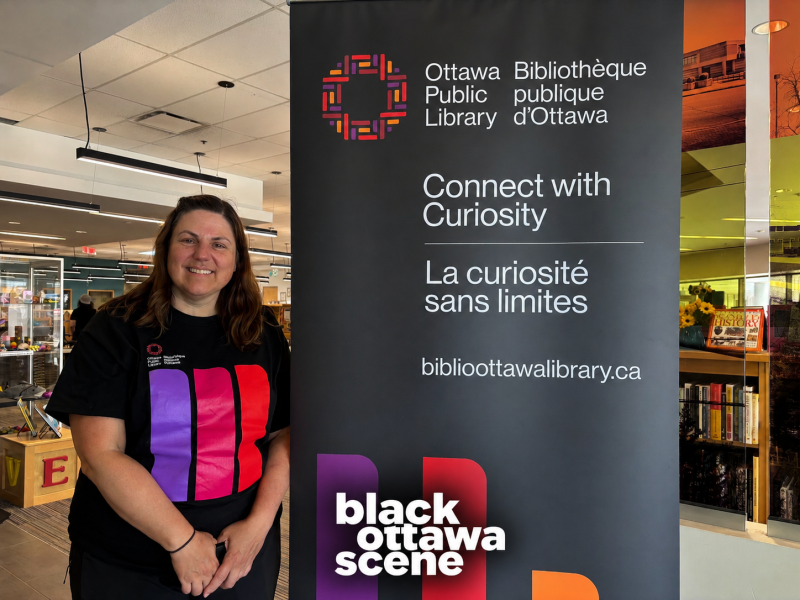
Courtney Mellor, Community Development Coordinator at the Ottawa Public Library, said the event reflected a shared commitment to ensuring newcomers know they have a place in Ottawa from the moment they arrive.
“Every year OLIP organizes Welcoming Ottawa Week, and the whole idea is to welcome newcomers across Ottawa,” Mellor said. “When I heard they wanted to do something with the library, I thought it would be wonderful to work with our city partners at Ottawa Public Health and Community and Social Services to create a resource fair.”
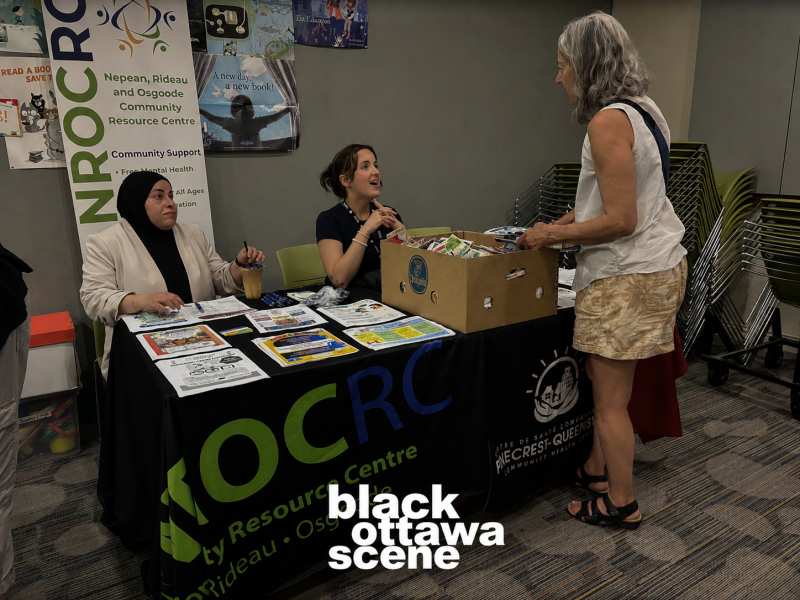
She said the event created opportunities for residents to speak directly with community organizations while learning about the many services available beyond the library’s shelves.
Mellor said one of the fair’s primary goals was to challenge the common perception that libraries exist solely for borrowing books.
“We wanted newcomers to know that we are more than just books,” she said. “We are a third space where people can come anytime. We’re open, we have air conditioning, they can relax, read, use computers, and even borrow Chromebooks for up to 90 days free of charge.”
She described obtaining a library card as one of the first meaningful steps toward becoming part of the community.
“Sometimes, for somebody who’s brand new to Canada, getting a library card is a very important step toward feeling like you’re part of the community and civic life,” she said.
The library also used the event to introduce visitors to its free English and French conversation circles, children’s programs, teen activities and the annual Summer Reading Club.
“We want people to know they’re welcome to come in, practise their English or French and get to know people in their neighbourhood,” Mellor said.
Claudie Berubé-Lavoie, a community development worker with the City of Ottawa’s Community and Social Services Department, said the partnership built on similar newcomer-focused initiatives held during previous Welcoming Ottawa Week celebrations.
Working closely in the Parkwood Hills neighbourhood, Berubé-Lavoie said the area is home to many newcomers and students, making it an ideal location to introduce residents to nearby community supports.
“There are so many organizations doing fantastic work, but not everyone knows they exist,” she said. “The goal is to connect people directly to services they might benefit from.”
She noted that many services are located only a short distance from where residents live, including after-school programs, family supports, community health centres and recreation opportunities.
For Berubé-Lavoie, success meant ensuring residents left the fair knowing where to turn for support and feeling more connected to their community.
Health information also featured prominently throughout the event.
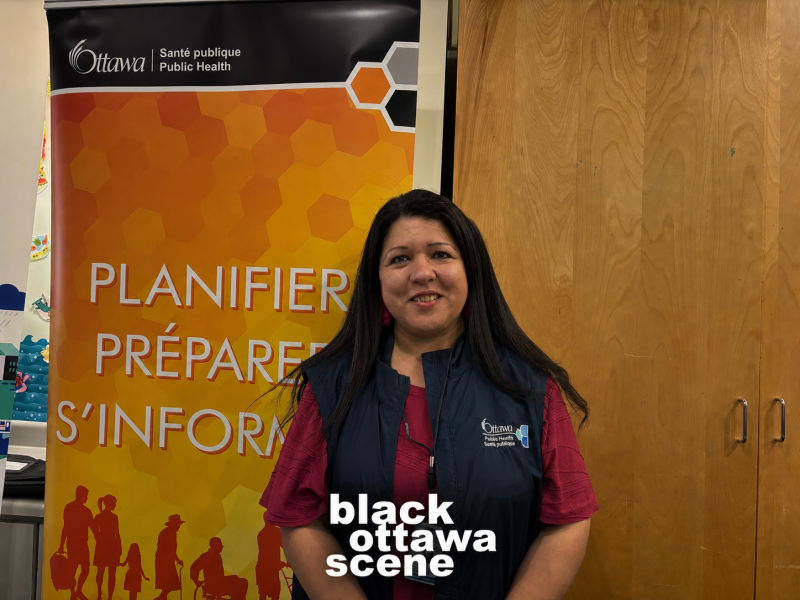
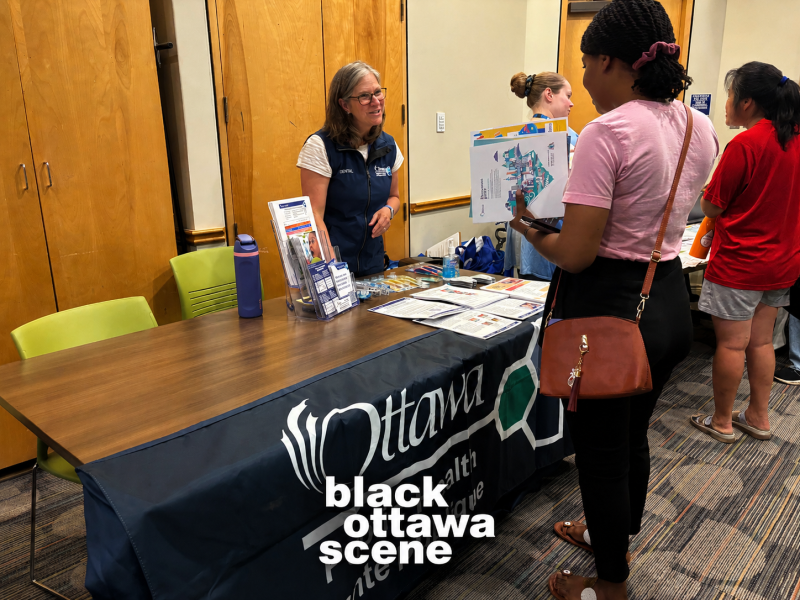
Heidi Mostafa, a community engagement worker with Ottawa Public Health, said participating in Welcoming Ottawa Week allows public health professionals to meet residents in a familiar and welcoming environment.
“We try to meet people where they are,” Mostafa said. “People come to the library because it feels like home. That gives us a chance to have conversations, answer questions and connect them with services.”
Mostafa, who works closely with Arabic-speaking residents and newcomers, said culturally responsive outreach plays a vital role in ensuring important information reaches diverse communities.
“When you’re from the community, people feel comfortable approaching you,” she said. “Language makes a big difference.”
She explained that Ottawa Public Health provides translated resources, including Arabic-language WhatsApp and Facebook groups that share information about local programs, health services and city events.
Among the most common questions newcomers ask, she said, are how to find a family doctor and what health-care options are available while they wait to be connected to one.
“We teach newcomers how to register and what services are available while they’re waiting,” Mostafa said. “Many community health centres now offer clinics and screening programs that people can access without a family doctor.”
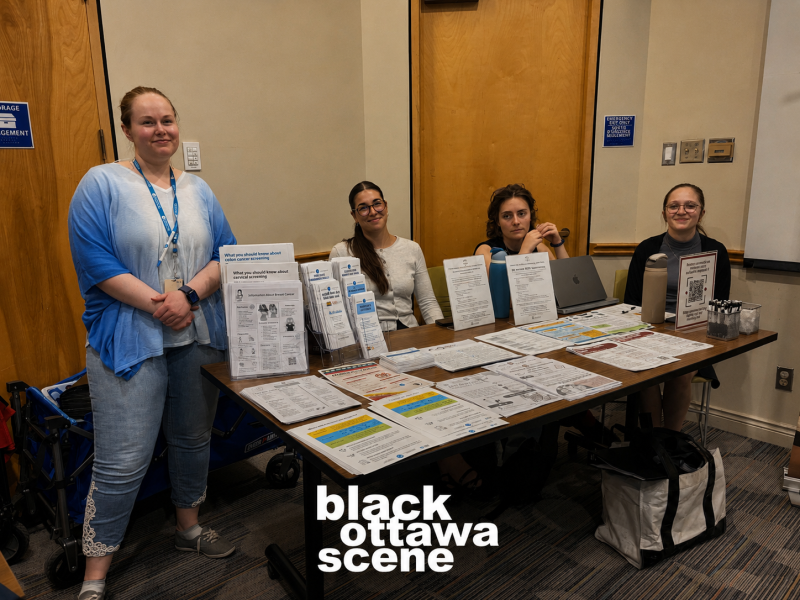
She also highlighted the importance of preventive health care, particularly encouraging residents to participate in cancer screening programs.
“There is still a lot of stigma around cancer screening,” she said. “People think if they get screened, they’ll find out they’re sick. We want them to understand that screening protects their health. It’s about prevention.”